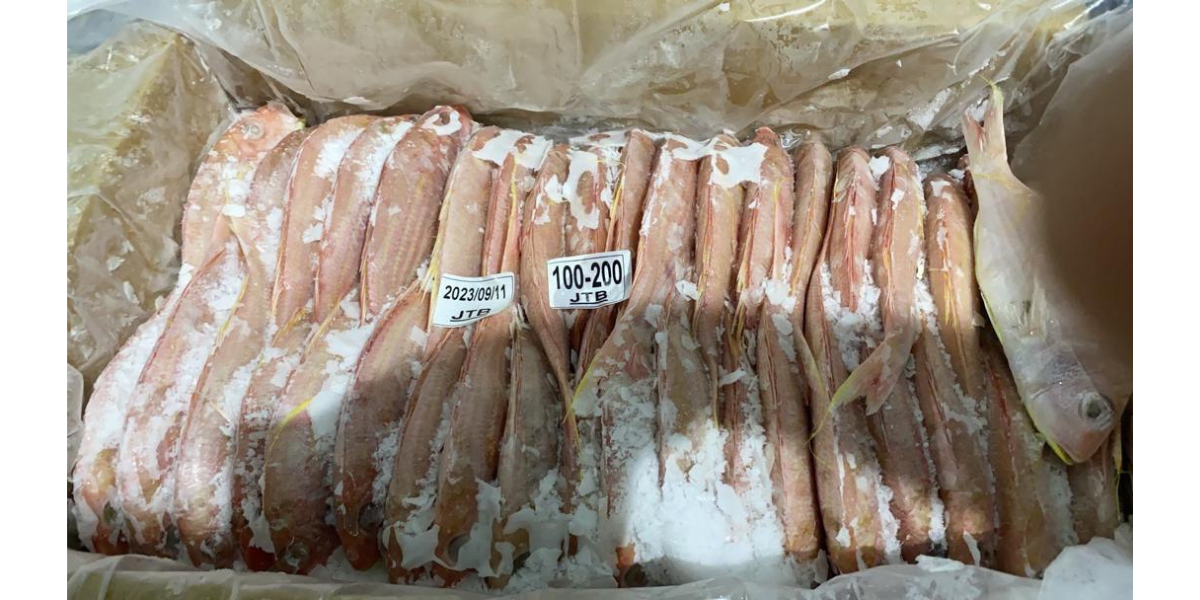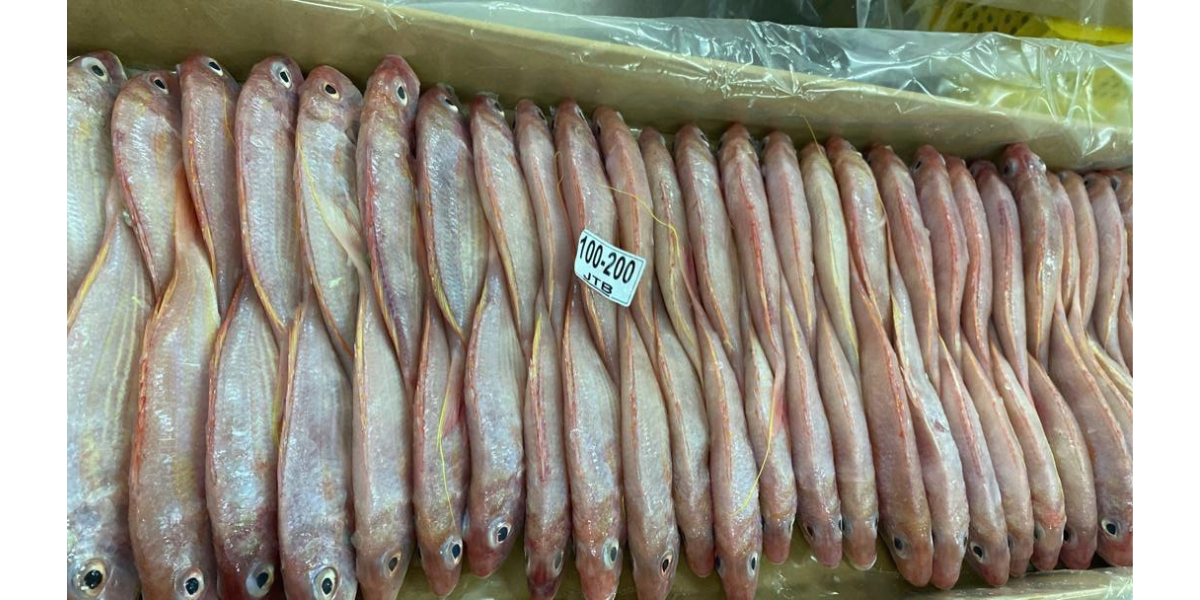
Straightforward and practical, that’s the real value importers look for when evaluating Iranian JTB fish. This species—known commercially as Sultan Ibrahim—has become a reliable choice for buyers who need a steady, versatile whitefish with predictable performance in retail and food-service channels. Its clean flavor profile, stable texture, and consistent grading make it a strong competitor to snapper-type species, especially in markets where cost efficiency matters as much as quality. What sets Iranian JTB fish apart is the combination of well-managed fishing grounds in the Persian Gulf and the growing professionalism of Iranian processors who understand international standards. For importers dealing with volatile supply chains, this fish offers a balance of affordability and dependability. If you’re evaluating new sourcing options or want to strengthen your product lineup, understanding this species can genuinely improve your buying strategy. Stay with me as we dive deeper into what matters most.
Understanding JTB (Sultan Ibrahim) as a Commercial Species
For importers exploring new seafood categories, understanding JTB—commercially known as Sultan Ibrahim—is essential. This species has built a solid reputation across regional markets thanks to its mild flavor, firm texture, and reliable cooking performance. When evaluating Iranian JTB fish, buyers should pay attention to how the species is identified, graded, and handled throughout the supply chain. Mislabeling is not uncommon in global seafood trade, which is why experienced companies such as Pishva Holding emphasize correct species verification and transparent sourcing practices. JTB typically refers to variants of threadfin bream harvested in the Persian Gulf and the Gulf of Oman, areas known for producing consistent quality due to stable marine ecosystems. The fish’s commercial value also comes from its versatility; it fits well in retail, food-service, and processing applications. Whether sold whole, gutted, or filleted, JTB maintains its structure during cooking, making it a dependable option for restaurants and distributors. With clear market demand and predictable supply patterns, this species offers importers a practical entry into Middle Eastern seafood sourcing. Understanding its biology and trade profile helps buyers make informed purchasing decisions, especially in competitive markets.
Why Iranian JTB (Sultan Ibrahim) Is Attractive to Global Buyers
The growing interest in Iranian JTB fish among global buyers isn’t accidental—it’s rooted in real commercial advantages. This species offers a clean, approachable flavor that appeals to wide consumer segments, from home cooks to large-scale catering operations. Compared to other whitefish categories, Sultan Ibrahim delivers a balanced price-to-value ratio, allowing importers to maintain healthy margins without compromising quality. One factor that strengthens its appeal is the steady supply emerging from Iran’s southern fisheries. These waters typically produce fish with consistent size, flesh firmness, and coloration—traits buyers look for when evaluating JTB fish specifications for retail and food-service use. Because of its naturally low fat content, the fish freezes well and maintains stable sensory characteristics during extended storage. Buyers in the Gulf region, Europe, and parts of Asia often favor Iranian JTB fish due to its culinary flexibility: it works equally well grilled, fried, or used in stews. Another advantage is the adaptability of Iranian processors, who are increasingly aligned with international standards. This alignment reduces uncertainty for importers managing tight logistics or market-specific compliance pressures. Overall, its reliability, versatility, and competitive pricing make JTB a smart addition to a diversified seafood portfolio.
Harvest, Seasonality, and Supply Dynamics in Iran
Understanding harvest cycles and supply patterns is crucial for anyone sourcing Iranian JTB fish. The species is primarily caught in the Persian Gulf and the Gulf of Oman, regions known for warm, nutrient-rich waters that support predictable spawning seasons and steady population renewal. These environmental factors give importers access to a relatively consistent supply throughout the year, though peak landings often occur during cooler months when fish activity and catch rates naturally increase. When discussing Iran JTB export, suppliers often highlight how local fisheries have adopted more structured practices, including better catch management and improved cold-chain handling on vessels. These changes have helped stabilize both volume and product quality. Supply dynamics are also shaped by regional fishing regulations aimed at preventing stock depletion. Even moderate improvements in fisheries oversight have resulted in more uniform grading and reduced variability in product size—two key considerations for international buyers. Importers who work closely with Iranian suppliers often schedule purchase cycles around seasonal patterns to secure competitive pricing and fresher stock. By understanding how environmental conditions, regulatory frameworks, and local fishing methods intersect, buyers can better plan procurement strategies and maintain consistent availability in demanding markets.
Product Forms, Specifications, and Commercial Standards
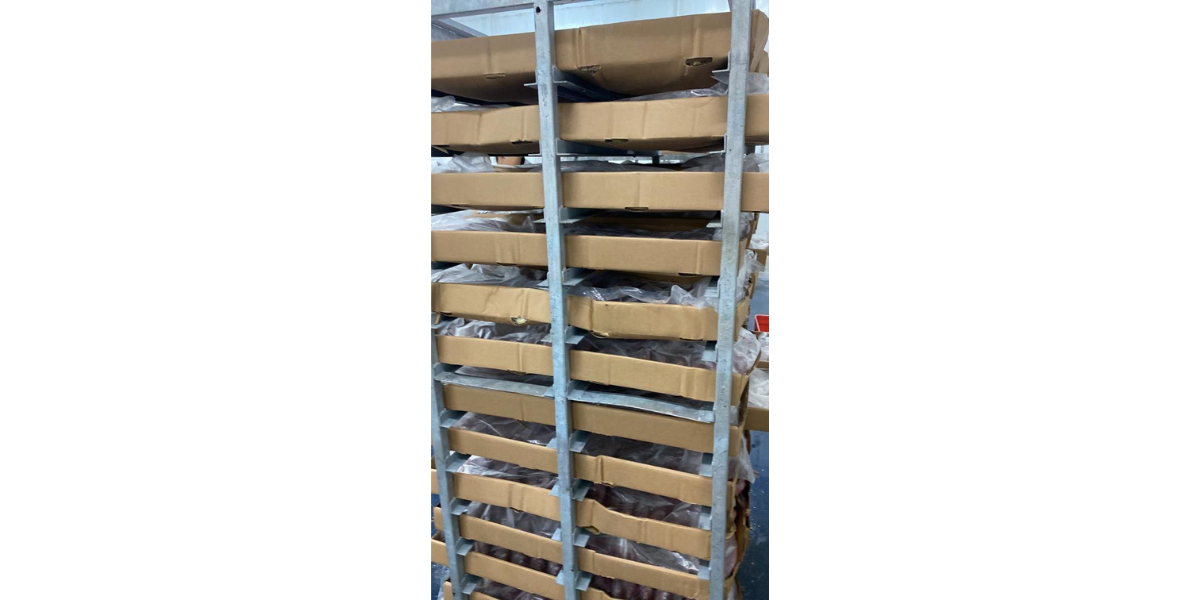
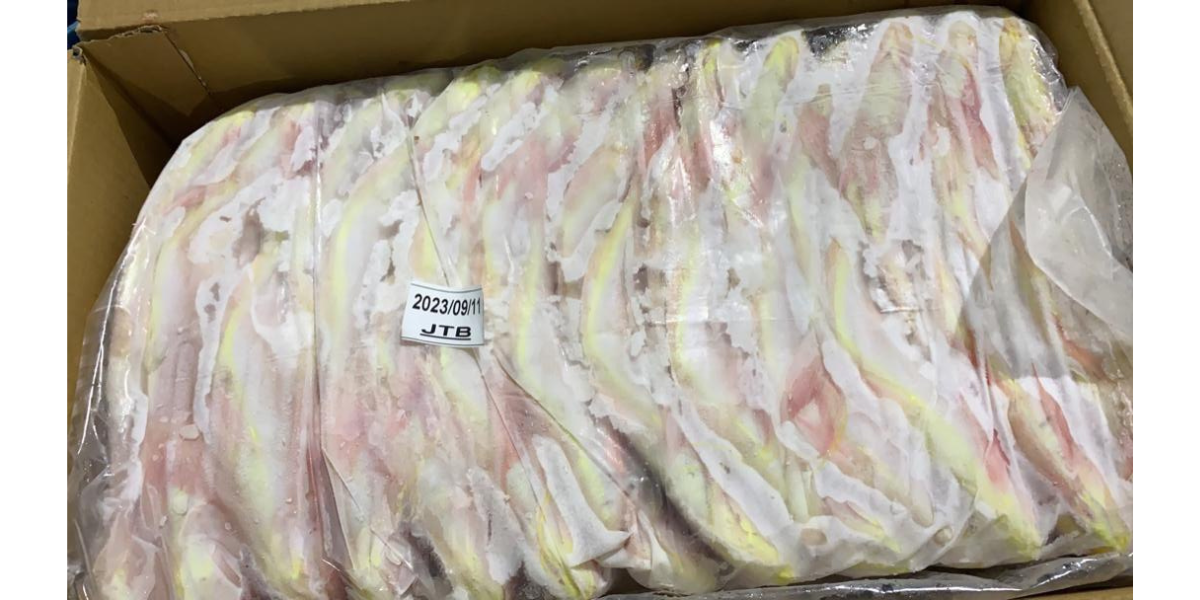
When sourcing Iranian JTB fish, buyers encounter a variety of product forms designed to meet different commercial needs. The species is commonly exported as whole round, head-on gutted, headless gutted, scaled, or fully filleted. Each form has its own advantages depending on whether the target market is retail, HORECA, or industrial processing. Understanding JTB export packaging is equally important, as packaging quality determines shelf life, presentation, and protection during long-distance transport. Most suppliers use export-grade cartons with moisture-resistant liners and IQF or block-frozen formats to preserve texture and minimize dehydration. Importers often specify glaze percentage, count per kilo, and acceptable size variations to ensure consistency across shipments. Commercial standards typically align with global expectations for whitefish categories, including clear labeling, accurate species names, and uniform grading. Many Iranian processors have been upgrading their equipment to meet international benchmarks, which helps reduce variability and supports smoother customs clearance in destination markets. By defining exact JTB fish specifications—from trim level to packing configuration—importers gain greater control over product performance and reduce the risk of quality discrepancies. A well-structured specification sheet becomes a key tool for ensuring transparency and maintaining reliable long-term supply relationships.
Quality and Sensory Parameters Importers Should Monitor
For importers working with Iranian JTB fish, sensory and quality evaluation is a crucial step toward ensuring product reliability. JTB’s natural characteristics—its delicate flavor, pinkish fillets, and firm structure—make it appealing, but these traits can be affected by handling practices, storage conditions, and processing methods. Freshness indicators such as clear eyes, bright gills, and elastic flesh are essential benchmarks. In frozen formats, buyers often focus on glaze quality, dehydration levels, and color stability. Excessive drip loss after thawing usually signals issues in freezing efficiency or temperature fluctuations during transit. Importers should also consider fat content and muscle integrity, as these factors influence cooking performance in restaurant settings. Sensory sampling from each batch can prevent inconsistencies before the product reaches customers. Working with suppliers who monitor temperature from catch to packing significantly reduces the risk of texture degradation. Many seasoned buyers request detailed cold-chain documentation to verify that handling steps meet international expectations for whitefish products. By combining sensory checks with technical verification, importers protect themselves from variability and maintain trust with end-users who expect consistent quality from every shipment of Iranian JTB fish.

Food Safety, Contaminants, and Risk Management
Food safety is a top priority when importing seafood, and Iranian JTB fish is no exception. Buyers must remain attentive to microbiological standards, parasite risks, and potential environmental contaminants such as heavy metals. While threadfin bream species are generally considered low-risk, responsible importers routinely conduct third-party testing to ensure compliance with destination-market regulations. Temperature control during harvesting and processing is one of the strongest defenses against microbial growth; suppliers who operate under HACCP-based systems typically offer more assurance in this area. Risk management also includes reviewing documentation for catch origin, production dates, and traceability codes. For markets with strict requirements—like the EU or Japan—importers may need periodic lab analyses for mercury, histamine levels, and total plate counts. Strong relationships with reliable suppliers help minimize exposure to safety violations, but buyers should still maintain internal protocols for batch sampling and audit checks. By integrating preventive controls with continuous monitoring, importers not only protect their customers but also maintain the commercial credibility of their JTB programs. Establishing a consistent safety framework ultimately ensures that Iranian JTB fish meets the expectations of regulators and end-consumers alike.
Regulatory and Documentation Requirements in Key Destination Markets
Navigating regulatory requirements is a critical part of importing Iranian JTB fish, especially for companies targeting regions with strict standards. In the European Union, importers must comply with regulations covering hygiene practices, approved establishments, catch documentation, and species labeling. Health certificates must be issued by authorized Iranian authorities, and products must originate from facilities listed for export to the EU. For GCC countries, regulations often emphasize shelf-life control, Arabic labeling, and in some cases Halal certification. Asian markets, particularly China, may require additional laboratory tests and registration of exporting facilities. Documentation accuracy is essential; inconsistencies in labeling, species naming, or lot numbers can lead to delays or rejection at the port of entry. Importers should familiarize themselves with country-specific expectations regarding microbiological limits, packaging declarations, and origin claims. Working directly with experienced Iranian exporters helps ensure smoother compliance and reduces administrative risks. A strong understanding of regulatory frameworks allows buyers to plan logistics more effectively and maintain continuous market access. When managed properly, the documentation process becomes an asset rather than an obstacle, supporting long-term success in the expanding trade of Iranian JTB fish.
Species Identification, Labelling, and Fraud Prevention
One of the biggest challenges in global seafood trade is ensuring correct species identification, especially for mid-priced whitefish categories. With Iranian JTB fish, importers often deal with close-looking species such as goatfish or other threadfin bream variants that may be unintentionally — or sometimes deliberately — mixed into shipments. This is why accurate labeling based on scientific names is essential. Professional buyers typically ask exporters to specify the exact species, FAO catch area, and production method directly on the packaging. DNA barcoding has become increasingly common in high-regulation markets, particularly when a buyer needs evidence to verify authenticity or rule out substitution. Fraud prevention also depends on traceable documentation. Clear batch numbers, harvest dates, and exporter identification help prevent labeling disputes at destination ports. Many importers create internal verification steps, comparing samples from every shipment against expected characteristics such as coloration, bone structure, and fillet texture. When these guidelines are followed consistently, the risk of mislabeling decreases dramatically, protecting both the importer’s reputation and the credibility of the broader supply chain for Iranian JTB fish.
Sustainability, Stock Status, and ESG Considerations
Sustainability has become a central factor in seafood purchasing decisions, and buyers of Iranian JTB fish are no exception. Threadfin bream species in the Persian Gulf are generally harvested through small-scale fisheries and regulated trawl operations, which gives importers a reasonable level of transparency regarding fishing effort and stock pressure. Reports from regional marine institutes indicate that stock conditions fluctuate seasonally but remain commercially viable when catch limits and gear restrictions are respected. ESG considerations also extend to labor practices and community impact. Many buyers now assess how coastal communities benefit from the fishing activity and whether processors maintain fair working conditions. Energy use in freezing facilities, waste reduction programs, and responsible wastewater management have also become relevant metrics, especially for European and East Asian markets. For importers who aim to communicate sustainability to consumers, understanding these regional dynamics helps build credible messaging. While Iranian JTB fish is not certified under widespread global eco-labels, buyers often rely on supplier audits and independent assessments to ensure responsible sourcing. This approach allows businesses to align profitability with long-term environmental stewardship.
Building a Reliable Supply Chain from Iran
A dependable supply chain is essential for maintaining consistent product quality, especially when dealing with a globally traded product like Iranian JTB fish. Importers usually begin by evaluating the exporter’s operational standards — everything from vessel handling practices to cold-chain stability. Most reputable suppliers follow structured harvesting and freezing protocols that minimize temperature fluctuations, which helps maintain texture and flavor integrity. Strong communication between buyer and exporter is another cornerstone of a reliable supply chain. Experienced importers often establish shared specifications, routine pre-shipment inspections, and reporting procedures that document each stage of the process. Geographic proximity of landing sites to processing plants can also influence reliability; shorter transport times mean fresher raw material and fewer quality-related disputes. Some buyers choose to diversify their supplier base within Iran to reduce risk during peak demand or weather-related disruptions. Over time, consistent collaboration allows both parties to refine packing formats, improve logistics planning, and reduce operational bottlenecks. This type of structured cooperation turns a simple purchase into a long-term sourcing partnership that supports steady market availability of Iranian JTB fish.
Packaging, Labelling, and Product Positioning in the Destination Market
Packaging plays a major role in how Iranian JTB fish performs in international markets. Importers typically expect export-grade cartons with moisture-resistant linings to preserve product integrity during long transit periods. Frozen blocks and IQF formats remain the dominant choices because they maintain structural stability and minimize dehydration. Labels must meet regulatory expectations in the destination country, but smart importers go a step further by ensuring that packaging also supports market positioning. Clear species identification, net weight, and handling instructions build confidence with end buyers, while clean, modern visual design increases retail appeal. In food-service markets, the priority shifts toward functionality — consistent sizing, easy thawing, and dependable yield. Some importers differentiate their product through subtle branding, highlighting aspects such as origin waters, freshness protocols, or sustainable handling methods. These factors help transform a commodity species into a value-driven offering. When packaging and labeling are handled thoughtfully, Iranian JTB fish can compete effectively against similar whitefish categories and carve out a stable niche in crowded seafood segments.
Risk Scenarios and How Professional Importers Handle Them
Like any seafood product, importing Iranian JTB fish comes with certain risks. Common issues include size inconsistencies, dehydration due to poor glazing, or misaligned product specifications. Seasoned importers manage these risks by establishing clear acceptance criteria and requiring pre-shipment photos or third-party inspections. Temperature deviations during shipping are another concern; data-loggers have become standard tools for verifying that cargo remained within safe limits from loading to arrival. Documentation discrepancies can also lead to customs delays or rejections. To mitigate this, professional buyers maintain detailed checklists and request draft documents ahead of shipment to prevent errors. Another risk involves sudden supply fluctuations caused by weather patterns or regulatory changes. Importers counter this by forecasting demand early and maintaining flexible purchasing schedules. Many also diversify suppliers within Iran, reducing reliance on any single plant or region. With the right controls in place, these potential risks become manageable, allowing Iranian JTB fish to remain a dependable component of a seafood portfolio.
Practical Buying Checklist for Iranian JTB (Sultan Ibrahim)
Professional importers often rely on structured checklists to ensure smooth and predictable purchasing outcomes. For Iranian JTB fish, the process usually begins with verifying species identity, accepted size ranges, and the exact product form required — whole, H&G, or filleted. Buyers then assess glazing levels, packaging type, and whether batch coding aligns with their traceability requirements. Reviewing the exporter’s food safety certifications is equally important, especially for markets with strict regulatory controls. Another key step involves requesting recent production photos or conducting sample evaluations to confirm texture, color, and yield. Price negotiations should account for market seasonality, currency conditions, and expected availability. Logistics planning is also essential: transit time, container temperature stability, and port preferences can all affect final quality. Finally, importers evaluate communication responsiveness and the supplier’s history of on-time deliveries. When these elements are reviewed thoroughly, buyers gain a reliable framework for sourcing Iranian JTB fish with confidence and consistency.
Conclusion
In the end, the real strength of Iranian JTB fish lies in its balance of quality, stability, and commercial value. Importers searching for a dependable whitefish category often find themselves navigating fluctuating prices, inconsistent supply, and unpredictable product specs. Iranian JTB fish offers a refreshing alternative: a species that performs reliably across processing formats—whether whole, H&G, or filleted—while maintaining attractive margins for both distributors and retailers. Its mild, consumer-friendly taste and firm texture help it fit into diverse culinary markets, from everyday home cooking to larger institutional kitchens.
Beyond its sensory advantages, the sourcing landscape in Iran has matured noticeably. Modernized facilities, improved cold-chain management, and stronger familiarity with global compliance requirements allow importers to source with greater confidence. For businesses operating in competitive seafood markets, this combination of traceability, stable availability, and flexible presentation makes Iranian JTB fish a strategic choice rather than just another commodity item.
If you’re refining your procurement portfolio or exploring new regions for diversification, this species deserves a serious look. With the right supplier partnerships, it can become a long-term asset in your product mix—one that supports consistency, profitability, and customer satisfaction.
FAQ
1. What makes Iranian JTB fish different from similar whitefish species?
It offers a mild flavor, firm texture, and consistent grading, making it suitable for both retail and food-service markets.
2. How can importers verify the authenticity of the species?
Most use species labeling, supplier transparency, and, in stricter markets, DNA barcoding to confirm correct identification.
3. Does JTB have stable year-round availability?
Yes, though peak landings often occur in cooler months, overall supply tends to remain steady throughout the year.
4. What packaging format is best for long-distance shipments?
IQF or block-frozen formats packed in export-grade cartons provide the best shelf-life and product protection.
5. What are the most common risks when importing Iranian JTB fish?
Temperature deviations, inconsistent sizing, and documentation issues are the main challenges — all manageable with proper controls.
6. Is JTB considered a sustainable option?
While not widely certified, many fisheries operate under regional regulations, and stock conditions remain commercially viable.