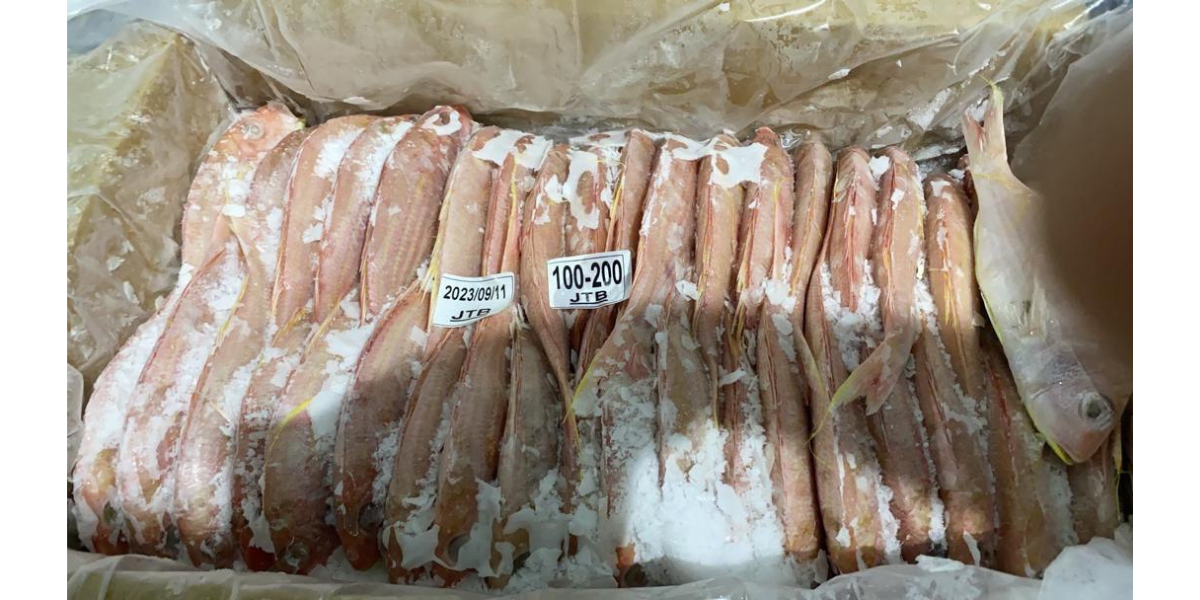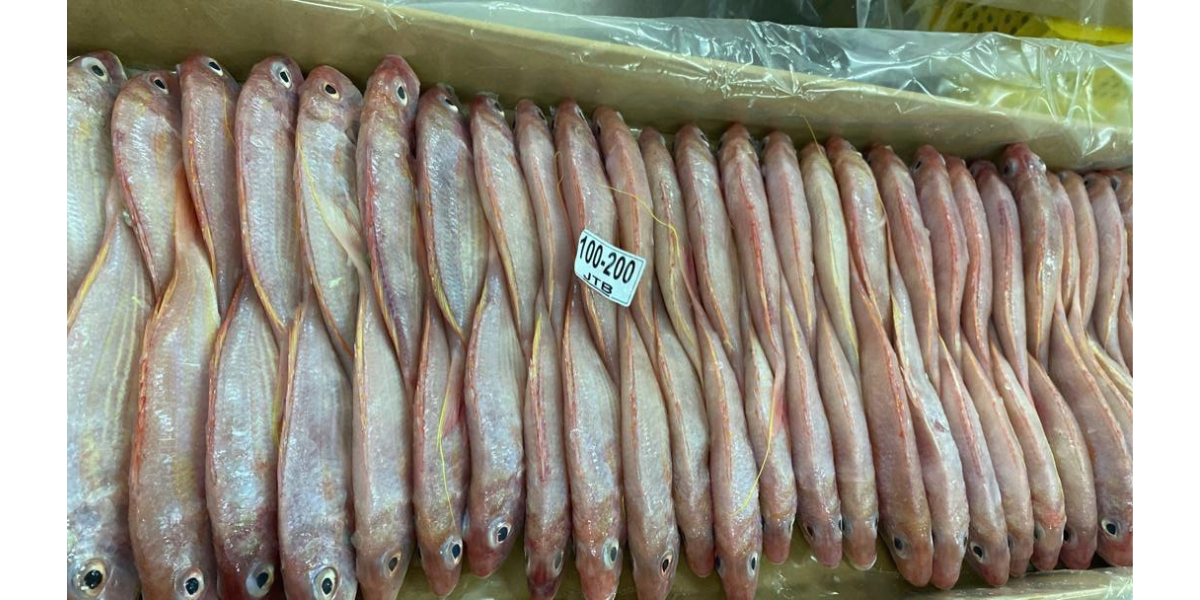
Remarkably, the growing visibility of Iran JTB export in global seafood markets isn’t a coincidence—it’s the result of steady improvements in product quality, supply-chain reliability, and a diverse aquatic ecosystem that few regions can match. Today, many international distributors turn to Iranian suppliers because they offer consistent volume, competitive pricing, and a broad range of species that suit both mainstream and premium markets.
This rising interest in Iran JTB export has also been fueled by modern processing facilities, better cold-chain management, and export-focused policies that help seafood reach distant destinations without losing freshness. Combined with Iran’s unique geographic advantages and expanding aquaculture sector, these elements give buyers a dependable alternative to traditional sourcing regions. If you’re looking to understand why Iranian seafood has increasingly become the smart choice among global distributors, follow along—there’s a great deal worth discovering.
Why Iranian Seafood Has Become a Global Favorite
What truly sets Iranian seafood apart on the global stage is the combination of natural biodiversity and a steadily improving export ecosystem supported by experienced companies such as Pishva Holding. Over the past decade, Iran has invested heavily in aquaculture development, allowing producers to supply a balanced variety of marine and farmed species that international distributors consistently look for. This diversity—ranging from warm-water shrimp to popular marine fish—has strengthened the appeal of Iran JTB export in markets where reliability and product range matter just as much as cost.
Beyond natural advantages, Iran’s growing expertise in sustainable harvesting practices and regulated fisheries has built a sense of confidence among buyers who want steady, trustworthy supply chains. Many distributors note that seafood from Iran often arrives with stable quality, predictable volumes, and competitive pricing, making it easier to plan long-term procurement strategies. Coupled with improvements in processing facilities and export documentation, the country now stands out as a realistic alternative to long-dominant suppliers in Asia and Latin America.
For businesses evaluating new sourcing options, the rise of Iran JTB export demonstrates how a mature yet evolving industry can deliver both consistency and value—qualities that global buyers rarely overlook.
Steady Growth and Scaling: Export Data that Builds Confidence
One of the strongest indicators of Iran’s rising influence in global seafood trade is the steady increase in export volume and value. Over recent years, official statistics have shown consistent annual growth in seafood shipments, reflecting not just favorable market conditions but also improvements in production capacity. This is especially evident in the expanding range of Iranian JTB fish, which has become a preferred category for buyers who need dependable bulk quantities without compromising on freshness or handling standards.
The momentum behind Iran JTB export is also driven by the country’s rising aquaculture productivity. Iran now produces substantial volumes of farmed fish—such as trout and carp—in addition to its marine harvest, allowing exporters to stabilize supply even when seasonal variations affect wild catch. From the perspective of international distributors, this scaling is essential: consistent volume means predictable planning, fewer shortages, and reduced risk when entering new markets.
Another contributing factor is Iran’s increased participation in trade fairs, industry conferences, and global seafood exhibitions. These platforms have helped exporters demonstrate improved quality control, while also expanding visibility among buyers who previously overlooked Middle Eastern seafood sources. Altogether, Iran’s export data paints a picture of a market that is growing with intention and reliability—qualities essential for long-term partnerships.
Compliance with Global Standards — Modern Processing, Packaging & Cold-Chain Logistics
Modernization has become a defining element of the seafood export industry in Iran, particularly for companies involved in Iran JTB export. Over the past several years, significant investments have been made in cold-storage facilities, improved processing plants, and standardized handling procedures that align with international expectations. At the heart of this progress is a stronger emphasis on JTB quality inspection, which ensures each shipment undergoes proper evaluation before entering global markets.
These inspection steps typically include temperature checks, hygiene verification, species identification, and packaging integrity assessment—practices that help reassure importers who rely on strict food-safety frameworks. The adoption of better cold-chain management allows Iranian seafood to travel longer distances while maintaining freshness, which has opened doors to markets in Europe, East Asia, and the Persian Gulf region.
Upgraded processing facilities have also introduced filleting, grading, and vacuum-packing technologies that match standards used by industry leaders worldwide. For distributors, this translates into predictable quality and fewer post-arrival discrepancies—two factors that heavily influence long-term purchasing decisions.
Overall, the commitment to compliance and modernization has strengthened the credibility of Iranian exporters. Today, companies operating within the Iran JTB export ecosystem can confidently compete with established global suppliers by offering a combination of quality assurance, efficiency, and transparent logistics.
Competitive Pricing and Value: Export Potential Beyond Local Markets
One of the most compelling reasons global distributors increasingly turn to Iran JTB export is the combination of competitive pricing and consistently improving value. Iran benefits from favorable production costs, extensive coastal resources, and a growing aquaculture sector—all of which contribute to pricing that can outperform many traditional seafood-supplying countries. At the same time, exporters have worked to elevate presentation and reliability through enhanced JTB export packaging, which ensures the product not only meets quality expectations but also arrives in a market-ready condition.
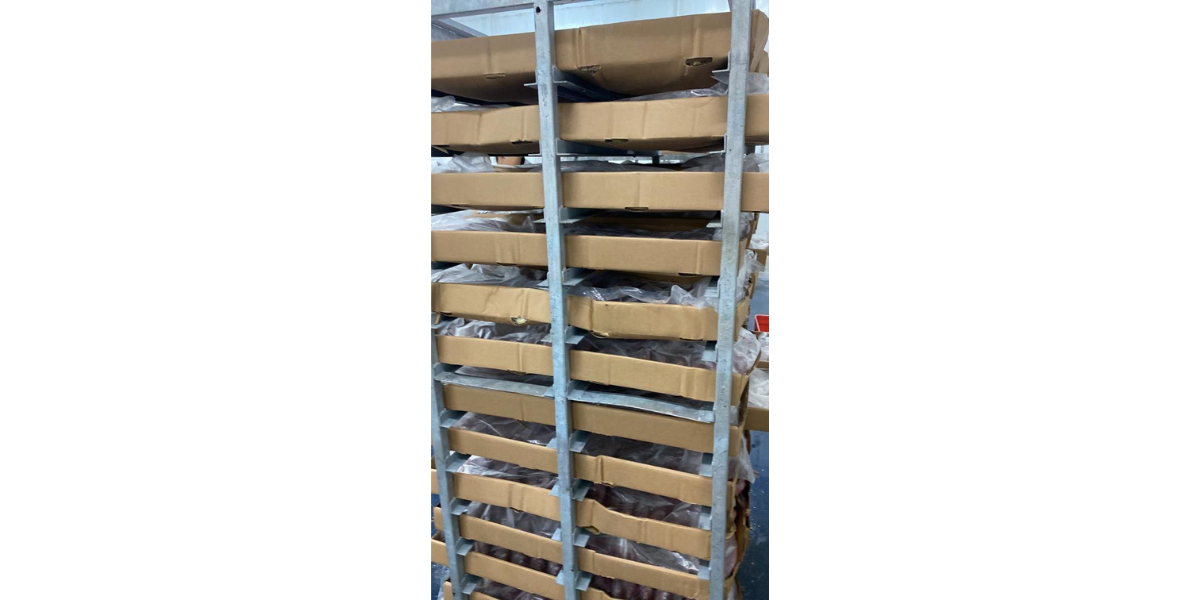
High-grade cartons, insulated containers, vacuum sealing, and temperature-controlled packing methods have made Iranian seafood more appealing to buyers who prioritize product stability during transit. These improvements allow Iran to reach distant markets where shelf life and visual presentation directly influence sales performance.
Yet, value is not limited to packaging or price alone. Iranian suppliers offer a wide assortment of species—marine, freshwater, and farmed—which gives distributors flexibility when adapting to shifting consumer trends. This variety makes Iran JTB export a practical choice for businesses that need both budget-friendly and premium options under the same sourcing channel.
By balancing cost efficiency with dependable product standards, Iran positions itself as a strong competitor in global seafood trade, offering real commercial advantages for importers seeking long-term, diversified supply.
Product Diversity to Meet Varied Market Demands
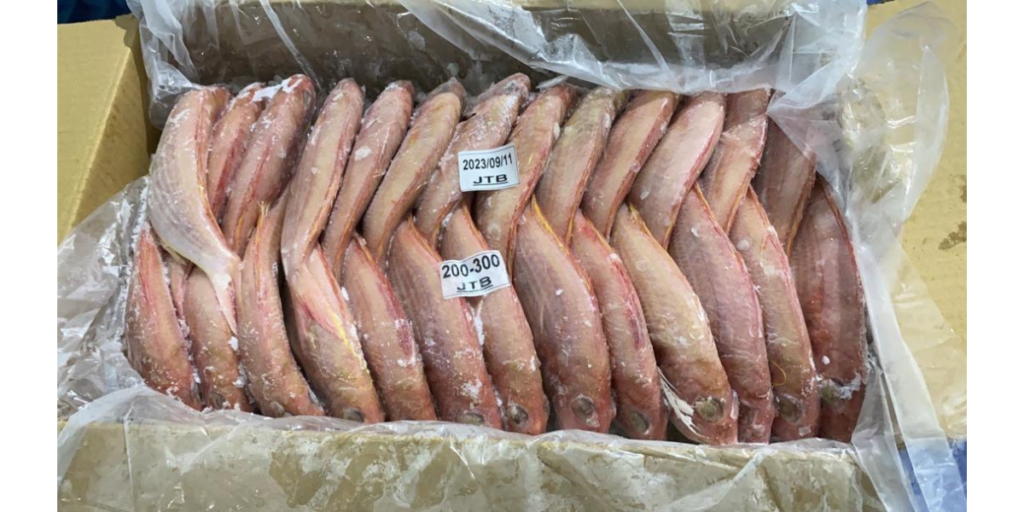
One of the strongest advantages behind the growth of Iran JTB export is the remarkable product diversity that Iran can offer to international buyers. Because the country sits between the Persian Gulf, the Gulf of Oman, and the Caspian Sea, it enjoys access to warm-water, cold-water, and freshwater species all at once. This geographic blend allows exporters to supply shrimp, ribbonfish, grouper, trout, carp, and even high-value caviar—each appealing to different segments of the global market.
For distributors, this diversity means they can serve mass-market retailers, restaurant supply chains, and specialty seafood shops without switching suppliers. It reduces operational friction and supports more stable long-term partnerships. Many reputable seafood analysis platforms highlight that markets in East Asia, the Middle East, and Europe increasingly prefer flexible suppliers who can adjust product types according to seasonal demand. This is precisely where Iran JTB export excels.
Beyond raw seafood, Iran has expanded its offering of value-added products such as frozen fillets, ready-to-cook portions, and processed goods. This range not only strengthens competitiveness but also aligns Iran with modern consumption trends—making the country a reliable source for distributors seeking adaptable, high-value product categories.
Strategic Export Policy and Infrastructure Investment
In recent years, the foundation of Iran JTB export has been reshaped by policy shifts and infrastructure improvements that align more closely with global trade requirements. Iranian authorities have concentrated on upgrading aquaculture facilities, improving quality monitoring systems, and supporting commercial producers through research centers that focus on sustainable fish farming. These initiatives are commonly referenced in international fisheries reports, which recognize Iran as one of the fastest-growing aquaculture zones in West Asia.
The expansion of cold-storage terminals, upgraded port logistics, and improved inland transportation networks has significantly strengthened Iran’s export pipeline. Modernized port hubs along Bandar Abbas, Bushehr, and Chabahar now offer better freezing capacity and faster loading operations, reducing transit delays—one of the major concerns for distributors handling perishable goods.
Additionally, export regulations have become more streamlined, helping companies involved in Iran JTB export process documentation faster and maintain consistency in shipment scheduling. As a result, distributors overseas experience fewer unexpected gaps in supply. These strategic investments reinforce Iran’s ambition to position itself as a serious and stable player in the international seafood market, capable of competing with long-established exporters.
What Makes Iranian Seafood Export Especially Attractive for Distributors
For many international buyers, the appeal of partnering with suppliers engaged in Iran JTB export comes down to a combination of reliability, flexibility, and competitive value. Iranian seafood exporters are able to offer consistent availability thanks to their growing aquaculture capacity, which reduces dependency on seasonal wild catch. This is particularly important for distributors who must meet year-round consumption patterns in retail chains and food-service industries.
Another factor is the overall transparency in sorting, grading, and product presentation. High-demand species such as shrimp, ribbonfish, mackerel, and trout often arrive with clear labeling and standardized sizes—making them easier to integrate into established inventory systems. Global seafood analysis sites frequently point out that distributors want partners who minimize operational friction, and Iranian exporters have improved greatly in this area.
Pricing remains another decisive advantage. Compared with some Southeast Asian or Latin American suppliers, Iranian seafood often offers a more favorable price-to-quality ratio, enabling distributors to maintain competitive retail pricing. Combined with flexible shipping routes and improved cold-chain management, Iran JTB export stands out as a dependable option for businesses aiming to build long-term, high-value supply relationships.
Challenges & What Distributors Should Check — And How Iran Is Addressing Them
Despite its progress, Iran JTB export faces a set of practical challenges that distributors should remain aware of—just as they would with any emerging export market. One frequent concern is regulatory consistency across different exporters. While many operate at high standards, buyers should still verify certifications, temperature logs, and species documentation before signing long-term contracts. Leading import guidelines worldwide recommend validating HACCP compliance and cold-chain proof as part of routine due diligence.
Another challenge involves banking and payment logistics, which may differ from more traditional seafood hubs. Many distributors overcome this by working with intermediaries experienced in Middle Eastern trade. Iran, meanwhile, has been strengthening its export systems by standardizing paperwork, improving port turnover times, and encouraging exporters to adopt internationally recognized quality protocols.
There is also the matter of transportation routes. To address this, port expansions and new refrigerated facilities have been introduced to protect product quality during transit. These steps make Iran JTB export more dependable and reduce risks associated with handling perishable goods. By addressing these issues transparently, Iran is increasingly positioning itself as a trustworthy and competitive option for global distributors.
Strategic Recommendations for Distributors Considering Iranian Seafood
Distributors evaluating Iran JTB export should approach it with a blend of opportunity and strategy. First, it is wise to diversify product sourcing within Iran itself—combining marine species from the southern coasts with freshwater or aquaculture products from the north. This diversification reduces vulnerability to seasonal fluctuations and strengthens year-round consistency.
Second, distributors should establish communication with exporters who provide detailed documentation, including catch certificates, grading details, and cold-chain temperature reports. These elements are increasingly standard in the global seafood trade and help streamline customs clearance in large importing regions.
Third, building medium-term contracts can secure better pricing and more reliable allocations during peak demand periods. Many international seafood market analyses emphasize that long-term partnerships with emerging exporters often result in higher stability and better quality assurance.
Finally, distributors should monitor infrastructure developments in Iranian ports, as improvements in freezing systems and container handling directly enhance delivery timelines. By following these practical steps, businesses can maximize the advantages of Iran JTB export and integrate Iranian seafood into their supply chain with confidence and strategic foresight.
Conclusion: Why Iranian Seafood (JTB) Represents a Smart, Competitive Choice
Ultimately, the popularity of Iranian seafood in global markets reflects more than just competitive pricing or geographic luck—it demonstrates how a growing industry can align natural potential with disciplined export strategy. The strength of Iran JTB export lies in its ability to offer a dependable supply across multiple categories, from high-value shrimp and marine fish to cost-efficient farmed species. Distributors worldwide appreciate this flexibility because it helps them diversify risk and respond quickly to shifting consumer demand.
What further elevates Iran’s position is its commitment to export-ready standards: improved packaging protocols, temperature-controlled logistics, and more transparent documentation. These upgrades position Iran JTB export suppliers as reliable partners capable of meeting expectations in established and emerging seafood markets alike. Add to this the expanding capacity of aquaculture farms and investments in coastal infrastructure, and Iran’s trajectory becomes even clearer.
For businesses searching for stable sourcing channels—ones that balance quality, variety, and long-term scalability—Iran offers a compelling proposition. It’s a market shaped by natural abundance but strengthened through intentional development. And for distributors aiming to stay competitive, Iranian seafood stands out not just as an option, but as a strategic advantage in a rapidly evolving global supply chain.
FAQ
1. Why is Iranian seafood gaining popularity among international distributors?
Because Iran offers a wide range of species, competitive pricing, and improved cold-chain logistics—qualities that make Iran JTB export dependable for global markets.
2. Are Iranian seafood products compliant with global safety standards?
Many exporters follow international guidelines such as HACCP and implement strict handling procedures. Buyers should always request certifications and quality reports.
3. How does Iran ensure stable supply throughout the year?
A growing aquaculture sector, especially trout and carp farming, allows exporters to meet demand even when wild catches fluctuate.
4. Is shipping from Iran reliable for long-distance markets?
With upgraded cold-storage terminals and modernized ports, Iranian seafood can maintain freshness during long-haul transport.
5. What should distributors verify before entering contracts?
Temperature logs, species documentation, export certifications, and packaging standards—all essential for ensuring shipment quality.