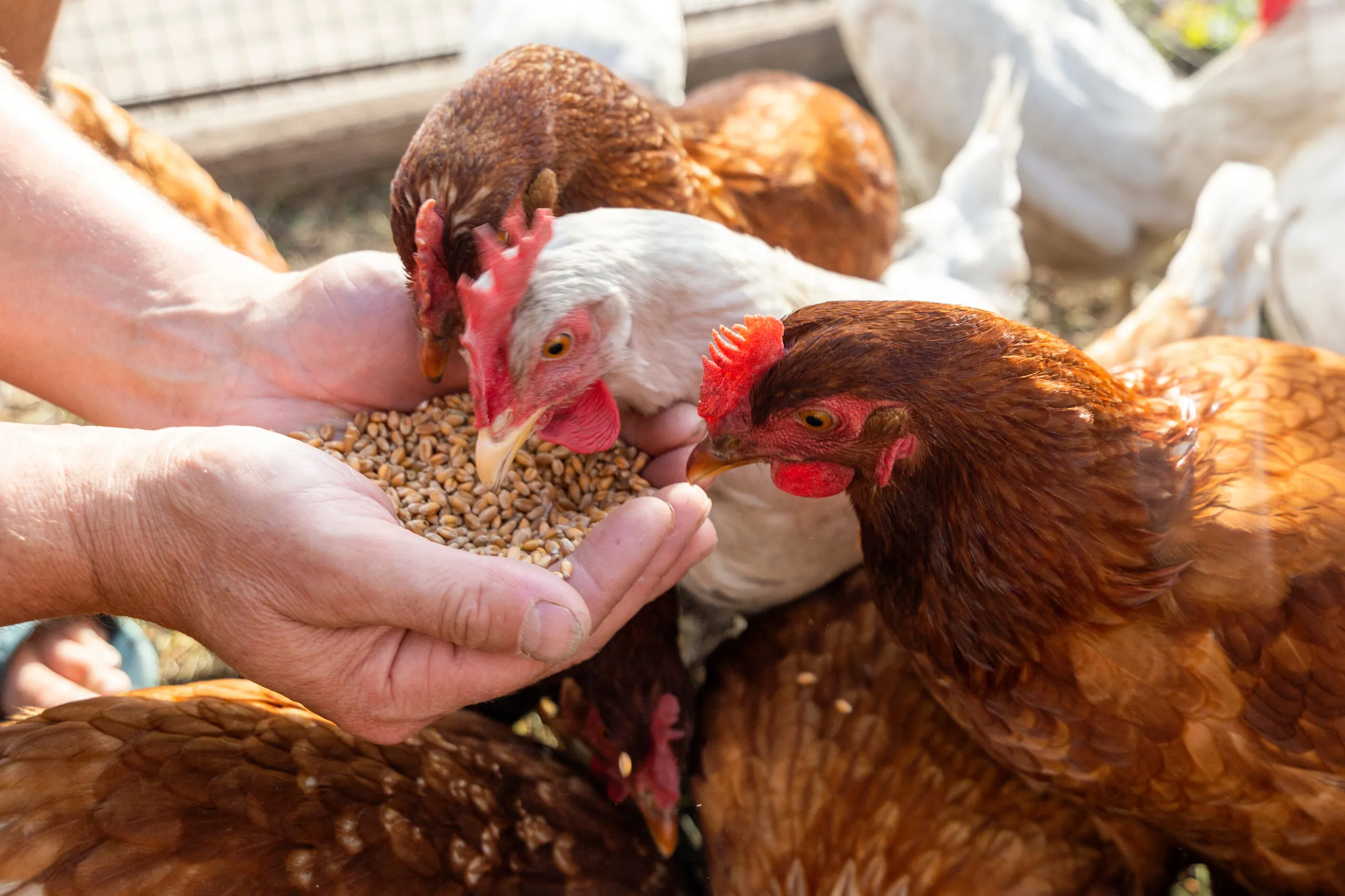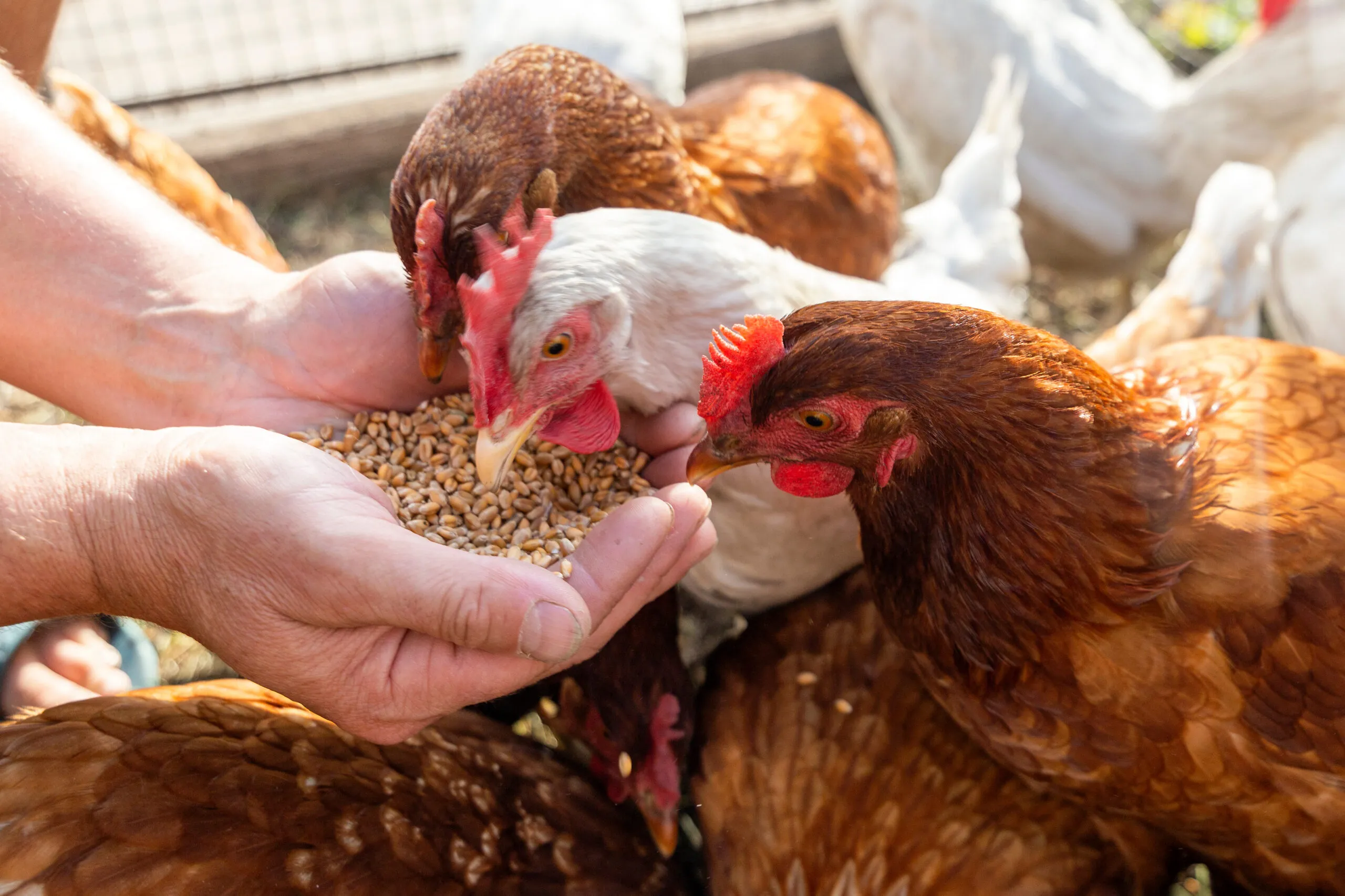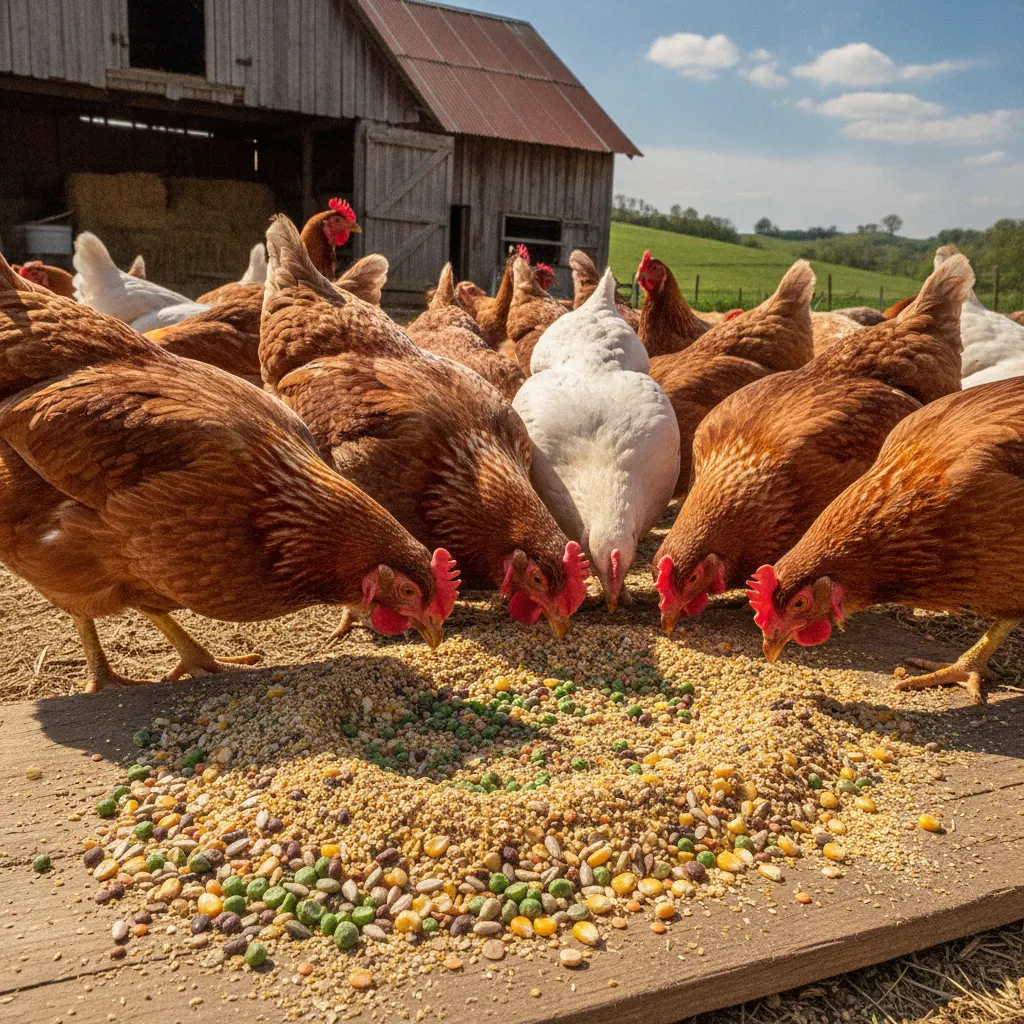
Providing poultry with the right vitamins starts with choosing reliable dietary sources and ensuring that birds can absorb and use the nutrients they consume. A well-balanced diet combines naturally occurring vitamins in feed ingredients with appropriate supplementation to meet the nutritional needs of different poultry species and production stages.
Understanding the Sources of Essential Vitamins for Poultry is therefore an important part of maintaining flock health, supporting growth, and achieving consistent production results. Common feed ingredients such as corn, soybean meal, alfalfa, wheat germ, and yeast contribute different vitamins, but their nutritional value can vary depending on processing, storage, and ingredient quality.
Moreover, natural feed sources alone may not provide sufficient amounts of every essential vitamin, particularly in intensive commercial production systems. Selecting suitable vitamin supplements and maintaining proper feed storage conditions can help prevent nutritional deficiencies and support overall flock performance. In this article, we explore the main vitamin sources for poultry, their nutritional contributions, and practical ways to include them in balanced feeding programs.
Why Do Poultry Need a Reliable Supply of Essential Vitamins?
Vitamins play an essential role in keeping poultry healthy, supporting normal growth, and maintaining consistent production. Although birds require these nutrients in relatively small amounts, even a minor deficiency can interfere with important metabolic processes and affect overall flock performance. Vitamins help regulate energy production, support immune function, maintain healthy tissues, and contribute to bone development and reproductive health. For this reason, providing a balanced vitamin supply should be a priority in every poultry feeding program.
The main benefits of meeting poultry vitamin requirements include:
- Improved immune function: Vitamins A and E help maintain normal immune responses and protect cells against oxidative damage.
- Healthy bone development: Vitamins D3 and K contribute to skeletal health and normal calcium metabolism and blood clotting, respectively.
- Better growth and feed utilization: B-complex vitamins support energy metabolism and the utilization of proteins, carbohydrates, and fats.
- Reproductive performance: Adequate vitamin intake supports egg production, fertility, and embryonic development.
- Healthy skin and feathers: Several vitamins contribute to tissue maintenance and normal feather development.
For businesses such as Pishva Holding, which operate in the agricultural and feed supply sector, understanding poultry vitamin requirements is also important when evaluating feed ingredients and nutritional products. Ultimately, a consistent supply of essential vitamins helps producers maintain healthier flocks and achieve more predictable production results.
Fat-Soluble Vitamins: Which Feed Ingredients Supply Vitamins A, D, E, and K?
Fat-soluble vitamins are an important part of poultry nutrition because they support several functions, including vision, bone development, antioxidant protection, and blood clotting. Vitamins A, D, E, and K belong to this group. Unlike most water-soluble vitamins, they can be stored in body tissues, meaning that both insufficient intake and excessive supplementation can affect bird health.
Different feed ingredients contribute varying amounts of these nutrients:
| Vitamin | Common dietary sources | Main function in poultry |
| Vitamin A | Alfalfa meal, green plant materials, and yellow corn | Supports vision, epithelial tissues, and reproduction |
| Vitamin D3 | Fish liver oils and fortified feed | Promotes calcium absorption and bone development |
| Vitamin E | Vegetable oils, wheat germ, and oilseed ingredients | Protects cells against oxidative damage |
| Vitamin K | Green leafy materials and alfalfa meal | Supports normal blood clotting |
However, natural sources do not always provide sufficient or consistent amounts. For example, yellow corn contains carotenoids that can contribute to vitamin A activity, but young chicks convert beta-carotene less efficiently than older birds. Similarly, vitamin D3 is generally preferred over vitamin D2 in poultry diets because birds use D3 much more effectively.
When selecting these nutrients for commercial feed formulations, product stability and storage conditions also matter. Specialized Import Services can be relevant when sourcing specific vitamin preparations and feed additives from international suppliers. Choosing suitable, stable vitamin forms helps maintain nutritional quality throughout feed production and storage.
Water-Soluble Vitamins: The Best Dietary Sources of B-Complex Vitamins
Water-soluble vitamins are closely involved in energy metabolism, protein utilization, cell development, and the normal functioning of the nervous system. The B-complex group includes thiamine (B1), riboflavin (B2), niacin (B3), pantothenic acid (B5), pyridoxine (B6), biotin (B7), folic acid (B9), and vitamin B12. Most of these vitamins are not stored in significant amounts in poultry tissues, so birds need a regular dietary supply.
Several common feed ingredients contribute to B-vitamin intake:
- Brewer’s yeast: Provides several B-complex vitamins, including thiamine, riboflavin, and niacin.
- Soybean meal: Supplies various B vitamins and contributes to the overall nutritional value of poultry diets.
- Wheat bran: Contains several B vitamins, although actual concentrations depend on processing.
- Alfalfa meal: Contributes folate and other B vitamins.
- Fishmeal: Can provide vitamin B12, which is generally limited in plant-based feed ingredients.
Each B vitamin has a distinct function. Riboflavin supports cellular energy production, niacin participates in metabolic reactions, and biotin contributes to normal fat and carbohydrate metabolism. Vitamin B12 is particularly important for blood cell formation and nervous system function.
Choline is also commonly included in discussions of B-complex nutrition, although it is not technically classified as a vitamin. It supports lipid transport and normal liver function. Commercial vitamin premixes are often used to ensure that dietary levels remain adequate and consistent.
Proper documentation and Customs Clearance are also relevant when importing specialized nutritional ingredients for feed manufacturing, particularly when product specifications and handling requirements must be maintained.
Which Common Poultry Feed Ingredients Provide the Most Vitamins?
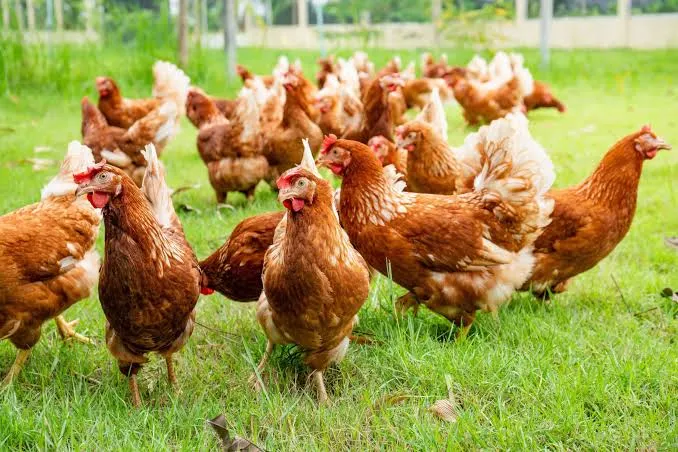
Choosing the right combination of feed ingredients is essential for supplying poultry with a broad range of vitamins. However, no single ingredient can meet all the vitamin requirements of a flock. Each feed material has a different nutritional profile, and its contribution depends on factors such as variety, growing conditions, processing methods, and storage quality.
The following ingredients are commonly used in poultry diets because they contribute useful vitamins:
| Feed ingredient | Main vitamin contributions | Nutritional value |
| Yellow corn | Carotenoids and some B vitamins | Provides energy and contributes to vitamin A activity |
| Soybean meal | B-complex vitamins and choline | Supplies protein and several micronutrients |
| Alfalfa meal | Carotenoids, vitamin K, and B vitamins | Adds plant-derived nutrients and fiber |
| Wheat germ | Vitamin E and B vitamins | Provides naturally occurring antioxidants and other nutrients |
| Brewer’s yeast | Several B-complex vitamins | Helps increase the B-vitamin content of feed |
| Fishmeal | Vitamin B12 and variable amounts of other vitamins | Provides animal-derived nutrients and high-quality protein |
| Vegetable oils | Vitamin E in varying concentrations | Supplies energy and contributes antioxidant nutrients |
When formulating poultry feed, nutritionists should consider the actual vitamin concentrations of each ingredient rather than relying on general nutritional estimates. Processing and prolonged storage can also reduce vitamin levels, particularly in ingredients containing sensitive nutrients.
For producers and feed manufacturers looking to Buy Feed Vitamins for Livestock and Poultry, evaluating product specifications, vitamin concentration, stability, and suitability for the target poultry category is essential. Combining carefully selected feed ingredients with an appropriate vitamin premix provides a more reliable way to meet nutritional requirements across different production stages.
Natural Feed Sources vs. Commercial Vitamin Premixes: Which Is More Reliable?
Natural feed ingredients provide valuable vitamins, but relying on them alone may not meet the nutritional requirements of commercial poultry. Ingredients such as corn, soybean meal, alfalfa, and wheat germ contribute different vitamins to the diet. However, their nutrient concentrations can vary depending on growing conditions, harvesting methods, processing, and storage. This variation makes it difficult to maintain consistent vitamin levels across different feed batches.
Commercial vitamin premixes offer a more controlled way to supply essential nutrients. They contain measured amounts of vitamins and are formulated to complement the nutritional composition of the basal diet. Their main advantages include:
- Consistent nutrient supply: Premixes help reduce variations in vitamin intake between feed batches.
- Accurate formulation: Nutritionists can adjust vitamin levels according to poultry species, age, and production stage.
- Targeted supplementation: Specific vitamins can be added to address gaps in the natural nutrient content of feed ingredients.
- Convenient feed production: Premixes simplify the preparation of balanced commercial diets.
However, natural ingredients should not be overlooked. They contribute to the overall nutritional value of poultry feed and may reduce the amount of certain supplemental nutrients needed.
The most reliable approach is to combine suitable natural ingredients with an appropriately formulated vitamin premix. Before supplementation, feed manufacturers should assess the existing nutrient profile, expected feed intake, and vitamin requirements of the birds. This helps prevent both deficiencies and unnecessary excesses.
How Feed Processing and Storage Affect Vitamin Availability in Poultry Diets
The vitamin content of poultry feed can change between the time ingredients are purchased and the moment birds consume the finished product. Processing conditions, exposure to environmental factors, and storage duration all influence vitamin stability. This is particularly important for vitamins A, D, E, and several B-complex vitamins, which can be affected by heat, moisture, oxygen, or light.
Pelleting is a common feed manufacturing process that deserves particular attention. High conditioning temperatures and prolonged exposure to heat can reduce the activity of sensitive vitamins. The extent of these losses depends on the vitamin form, processing temperature, moisture level, and duration of exposure. Using heat-stable vitamin preparations can help maintain nutritional quality during manufacturing.
Storage conditions are equally important. To protect vitamin availability, poultry feed manufacturers should follow these practices:
- Store vitamin premixes in cool, dry, and well-ventilated areas.
- Keep products away from direct sunlight and excessive heat.
- Use moisture-resistant packaging and reseal opened containers properly.
- Follow the manufacturer’s recommended shelf life.
- Avoid storing premixes near substances that may accelerate oxidation.
- Apply a first-in, first-out inventory system to prevent prolonged storage.
Another important consideration is the interaction between vitamins and trace minerals. Certain mineral compounds, particularly reactive forms of iron and copper, can promote oxidative degradation when stored in direct contact with vitamins. Separate storage or specially formulated premixes may help reduce this risk.
Ultimately, protecting vitamin stability requires attention throughout the supply chain. Even a well-formulated diet may deliver less nutritional value than expected if ingredients and supplements are handled improperly.
Do Vitamin Requirements Differ Between Broilers, Layers, and Breeder Hens?
Not all poultry need the same amount of vitamins. Their nutritional requirements depend on age, growth rate, reproductive activity, production goals, and daily feed intake. A feeding program designed for fast-growing broilers, for example, may not provide the right nutrient balance for laying hens or breeder flocks. Understanding these differences helps producers select appropriate vitamin sources and avoid nutritional imbalances.
Broilers need vitamins that support rapid tissue development, skeletal growth, and efficient nutrient metabolism. Vitamins A, D3, and E are particularly important, while B-complex vitamins help birds use dietary energy and protein efficiently. Starter, grower, and finisher diets should be formulated according to the changing nutritional needs of each growth stage.
Laying hens require a consistent vitamin supply to maintain egg production, reproductive health, and eggshell quality. Vitamin D3 supports calcium utilization, while vitamins A and E contribute to normal reproductive and immune functions.
Breeder hens need carefully balanced vitamin nutrition to support fertility, hatchability, and embryonic development. Adequate maternal vitamin intake also influences the transfer of certain nutrients to developing embryos through the egg.
| Poultry category | Main nutritional priorities |
| Broilers | Growth, bone development, and feed efficiency |
| Layers | Egg production, eggshell quality, and reproductive health |
| Breeders | Fertility, hatchability, and embryo development |
Therefore, vitamin supplementation should always reflect the production purpose and feeding stage rather than following one formula for every flock.
How to Choose the Right Vitamin Sources for a Balanced Poultry Diet
Selecting suitable vitamin sources requires more than checking the vitamin content listed on a feed ingredient label. Producers must consider how much of each nutrient birds actually consume, how efficiently they can utilize it, and whether the finished feed provides an adequate supply throughout the production cycle.
The first step is to identify the nutritional requirements of the poultry category. Broilers, layers, and breeder hens have different needs, so their vitamin supplementation programs should be formulated separately. Next, evaluate the natural vitamin contributions of ingredients such as corn, soybean meal, wheat bran, and alfalfa meal. These values should be based on reliable ingredient analyses whenever possible.
When choosing commercial vitamin products, pay attention to the following factors:
- Vitamin concentration: Check the amount of each vitamin per kilogram of product.
- Bioavailability: Consider the chemical form and how effectively poultry can utilize it.
- Stability: Choose preparations suitable for the expected processing and storage conditions.
- Product compatibility: Make sure the vitamin preparation is appropriate for the other ingredients in the premix.
- Manufacturing quality: Review product specifications, batch consistency, and expiration dates.
Feed intake also deserves attention. Birds consuming less feed because of heat stress or illness may receive fewer vitamins, even when the feed formulation is technically adequate.
Finally, avoid adding supplements without calculating their contribution to the complete diet. A properly formulated combination of natural ingredients and commercial premixes is generally more reliable than depending on either source alone.
Common Mistakes to Avoid When Supplying Vitamins to Poultry
Vitamin deficiencies are not always caused by a lack of suitable feed ingredients. In many cases, problems arise from incorrect formulation, poor storage, inconsistent supplementation, or mistakes during feed manufacturing. Even when a diet contains the recommended vitamin concentrations at the formulation stage, birds may receive less than expected if nutrients deteriorate before consumption.
One common mistake is relying entirely on natural feed ingredients. Although grains, oilseed meals, and green plant materials contribute vitamins, their nutrient concentrations can vary considerably. Another problem is using the same vitamin premix for every poultry category without considering differences in age and production requirements.
Other mistakes worth avoiding include:
- Ignoring storage conditions: Heat, moisture, oxygen, and light can reduce the stability of sensitive vitamins.
- Using expired supplements: Products past their recommended shelf life may not provide their declared vitamin activity.
- Overlooking processing losses: Pelleting and other thermal treatments can affect vitamin recovery in finished feed.
- Adding excessive supplements: More vitamins do not automatically produce better growth or egg production. Excessive intake of certain fat-soluble vitamins can cause adverse effects.
- Ignoring feed intake: Reduced consumption can lower the actual amount of vitamins birds receive.
- Mixing incompatible ingredients: Direct contact between certain trace minerals and vitamins can accelerate oxidative losses during storage.
Another important mistake is treating every health problem as a vitamin deficiency. Poor growth, reduced egg production, and weakness can also result from infections, mineral imbalances, inadequate energy intake, or management problems.
The best prevention strategy is to monitor feed quality, maintain accurate formulation records, and investigate persistent performance problems before changing supplementation levels.
Conclusion: Choosing the Right Vitamin Sources for Healthy and Productive Poultry
Healthy poultry production depends on more than providing enough feed; birds also need a consistent supply of essential vitamins in forms their bodies can effectively use. As discussed throughout this article, different feed ingredients contribute different nutrients. Corn, soybean meal, alfalfa, wheat germ, and yeast can supply valuable vitamins, but no single ingredient provides everything poultry need. This is why understanding the Sources of Essential Vitamins for Poultry is essential when developing balanced feeding programs.
Natural ingredients can contribute significantly to dietary vitamin intake, but their nutrient concentrations and availability may vary. Commercial vitamin premixes help address these variations and provide a more controlled supply of nutrients, particularly in intensive production systems. However, choosing the right supplement also requires attention to bird age, production purpose, feed composition, and processing conditions.
Feed storage and handling deserve equal consideration. Exposure to heat, moisture, oxygen, and prolonged storage can reduce the stability of certain vitamins, affecting the nutritional value of the finished feed. Regularly evaluating ingredient quality and following appropriate supplementation guidelines can help minimize these losses.
Ultimately, an effective poultry nutrition program combines suitable natural feed ingredients, reliable vitamin supplements, and proper feed management. By understanding the nutritional value of different vitamin sources and adjusting diets to meet the needs of each production stage, poultry producers can support flock health, improve production efficiency, and maintain more consistent results.
FAQ
- What Are the Best Natural Sources of Essential Vitamins for Poultry?
Corn, soybean meal, alfalfa meal, wheat germ, brewer’s yeast, and fishmeal are useful natural sources of vitamins in poultry diets. Each ingredient provides a different combination of nutrients. However, their vitamin content varies, so they should be combined with other ingredients and appropriate supplements to meet the birds’ nutritional requirements.
- Can Poultry Get All Essential Vitamins from Natural Feed Ingredients?
Not always. Natural feed ingredients provide several vitamins, but their concentrations and bioavailability may be inconsistent. Commercial vitamin premixes help provide more predictable nutrient levels and reduce the risk of deficiencies, particularly in intensive poultry production systems.
- Which Vitamins Are Most Important for Broiler Chickens?
Vitamins A, D3, E, and K, along with B-complex vitamins, are important for broiler health and development. They support immune function, bone formation, blood clotting, antioxidant protection, and energy metabolism. Their dietary levels should be adjusted according to the bird’s growth stage.
- Does Sunlight Provide Enough Vitamin D for Poultry?
Sunlight can contribute to vitamin D synthesis under suitable conditions, but it is not a dependable source for meeting the nutritional requirements of commercial poultry. Indoor production systems and variations in sunlight exposure make dietary vitamin D3 supplementation particularly important.
- Can Brewer’s Yeast Replace a Commercial Vitamin Premix?
No. Brewer’s yeast supplies several B-complex vitamins and other nutrients, but it does not provide a complete range of vitamins in the required amounts. It can be a useful feed ingredient, but it should not replace a properly formulated vitamin premix.
- How Does Feed Storage Affect Vitamin Content?
Prolonged storage and exposure to heat, moisture, oxygen, and light can reduce the stability of certain vitamins. Keeping feed and premixes in cool, dry conditions, using suitable packaging, and following recommended storage periods help preserve their nutritional value.
- Why Do Broilers and Laying Hens Need Different Vitamin Levels?
Broilers are primarily raised for rapid growth and meat production, whereas laying hens need nutrients to support continuous egg production and reproductive health. Their feed formulations must therefore reflect differences in growth, metabolism, egg production, and daily nutrient requirements.