Healthy egg production starts with a well-balanced diet, and vitamins are essential for keeping laying hens productive throughout the laying cycle. Each vitamin has a specific role in maintaining health, supporting reproductive function, strengthening immunity, and maintaining egg quality. When hens receive insufficient amounts, problems such as reduced egg production, poor eggshell quality, lower hatchability in breeding flocks, and increased susceptibility to disease may occur.
The Vitamin Requirements of Laying Hens depend on several factors, including age, feed intake, production rate, environmental conditions, and the nutritional composition of the diet. Vitamins A, D3, E, and K, along with B-complex vitamins, must be supplied in appropriate amounts to support normal body functions. Heat stress and changes in feed consumption may also increase the need for careful nutritional management.
Providing the right vitamin levels is not simply about adding supplements to feed. It requires understanding the birds’ nutritional needs and adjusting the feeding program accordingly. In this article, we explore essential vitamin requirements, recommended dietary levels, deficiency symptoms, and practical feeding strategies to help maintain flock health and consistent egg production.
Why Vitamins Are Essential for Laying Hen Health and Egg Production
Vitamins play an important role in maintaining the health, productivity, and reproductive performance of laying hens. Although they are required in relatively small amounts compared with protein, energy, and minerals, their effects on the bird’s body are significant. Each vitamin supports specific biological processes, including bone development, immune function, nutrient metabolism, and egg formation. When the diet does not provide enough of these nutrients, hens may experience reduced egg production, poor eggshell quality, reproductive problems, and greater susceptibility to disease.
A balanced vitamin supply also helps hens maintain their performance during demanding production periods. For example, vitamin D3 supports calcium absorption and utilization, which are essential for producing strong eggshells. Vitamin A contributes to the health of epithelial tissues and the reproductive tract, while vitamin E helps protect cells against oxidative damage.
Several important benefits of adequate vitamin nutrition include:
- Consistent egg production: Vitamins support normal reproductive function and metabolic activity.
- Better eggshell quality: Vitamin D3 helps regulate calcium and phosphorus metabolism.
- Stronger immunity: Vitamins A and E contribute to normal immune responses.
- Improved flock health: Adequate vitamin intake helps prevent nutritional deficiencies.
- Better stress tolerance: Certain vitamins support normal physiological functions during environmental challenges.
For poultry producers, meeting these nutritional needs requires careful feed formulation and consistent quality control. Companies such as Pishva Holding can be relevant when sourcing poultry feed ingredients and nutritional products. However, the effectiveness of a feeding program ultimately depends on selecting suitable ingredients and providing them at appropriate inclusion levels.
Understanding the role of vitamins is the first step toward developing a feeding strategy that supports healthy hens and reliable egg production.
Essential Vitamins Required in a Laying Hen’s Diet
A complete layer diet must provide a balanced combination of fat-soluble and water-soluble vitamins. These nutrients work together to support metabolism, immunity, reproduction, bone health, and egg formation. Although some vitamins can be produced in limited amounts by the bird or supplied through feed ingredients, dietary supplementation is generally necessary to maintain consistent nutritional levels under commercial production conditions.
The most important vitamins in a laying hen’s diet include:
| Vitamin | Main Function | Possible Effects of Deficiency |
| Vitamin A | Supports vision, immunity, and reproductive tissues | Poor growth, reduced production, and impaired immunity |
| Vitamin D3 | Regulates calcium and phosphorus metabolism | Thin eggshells and poor bone mineralization |
| Vitamin E | Protects cells from oxidative damage | Neuromuscular problems and impaired immune function |
| Vitamin K | Supports normal blood clotting | Increased risk of bleeding |
| Vitamin B1 (Thiamine) | Supports carbohydrate metabolism and nerve function | Neurological disorders and reduced appetite |
| Vitamin B2 (Riboflavin) | Supports energy metabolism | Poor performance and reproductive problems |
| Vitamin B6 | Supports amino acid metabolism | Reduced growth and neurological abnormalities |
| Vitamin B12 | Supports blood cell formation and metabolism | Poor production and impaired development |
| Biotin | Supports skin, feather, and tissue health | Dermatitis and poor footpad condition |
| Folic Acid | Supports cell division and tissue development | Poor reproductive performance |
| Pantothenic Acid | Supports energy metabolism and hormone synthesis | Dermatitis and reduced production |
Vitamin C also deserves attention under certain conditions. Although healthy chickens can normally synthesize it, additional supplementation may be useful during heat stress or other challenging environmental conditions.
When formulating layer feed, it is important to consider the stability and availability of each vitamin. Some vitamins are sensitive to heat, moisture, oxygen, and prolonged storage. Therefore, feed manufacturers must pay attention to premix quality, storage conditions, and mixing accuracy.
The sourcing process also matters because vitamin premixes must meet the nutritional and quality requirements of poultry production. Businesses involved in Specialized Import Services may help facilitate access to specialized feed additives and nutritional ingredients. Nevertheless, producers should verify product specifications, vitamin concentrations, and suitability for laying hens before purchasing.
A properly balanced vitamin profile helps prevent deficiencies without exposing birds to unnecessarily high supplementation levels.
Vitamin Requirements of Laying Hens at Different Production Stages
Vitamin needs change throughout a hen’s life, particularly as she moves from the rearing period into egg production. A pullet preparing for lay has different nutritional priorities from a hen producing eggs at peak capacity. For this reason, feeding programs should be adjusted according to the bird’s age, body development, feed intake, and production performance.
Before the onset of egg production
During the growing period, vitamins support skeletal development, immune function, and tissue growth. Adequate vitamin D3 is particularly important for normal bone mineralization, while vitamins A and E contribute to tissue health and immune function. A well-balanced rearing diet helps prepare pullets for the nutritional demands of egg production.
At the beginning of lay
As hens approach sexual maturity, their reproductive systems become active and their nutrient requirements change. Vitamin nutrition must support the development and functioning of reproductive tissues. Feed formulation should also account for the gradual increase in egg production and the changing calcium requirements associated with eggshell formation.
During peak egg production
This stage places considerable nutritional demands on laying hens. Consistent vitamin intake is essential because even short-term reductions in feed consumption can affect the amount of vitamins birds receive each day. Particular attention should be given to vitamins D3, A, and E, alongside the B-complex vitamins.
During late-lay production
Older hens may experience changes in calcium utilization, eggshell quality, and overall production efficiency. Maintaining an appropriate vitamin supply helps support bone health, metabolism, and continued reproductive function.
| Production Stage | Main Nutritional Priorities |
| Growing pullets | Bone development, immunity, and tissue growth |
| Pre-lay | Reproductive development and preparation for egg production |
| Early lay | Supporting the increase in egg production |
| Peak lay | Maintaining consistent production and egg quality |
| Late lay | Supporting bone health and eggshell quality |
Feed management should also account for changes in environmental conditions. For example, high temperatures can reduce feed consumption, which may lower daily vitamin intake even when the vitamin concentration in the feed remains unchanged.
Importing suitable feed ingredients and managing their delivery can also influence the consistency of a poultry nutrition program. Proper documentation and Customs Clearance are important considerations when sourcing specialized nutritional products from international suppliers.
Ultimately, adjusting vitamin levels to the production stage helps poultry producers maintain nutritional balance throughout the laying cycle.
Recommended Vitamin Levels in Layer Feed: Daily Needs and Dietary Concentrations
Determining the correct vitamin concentration in layer feed is essential for maintaining flock health and production performance. However, vitamin requirements should not be treated as fixed values for every flock. Recommendations can vary depending on the hen’s genetic strain, age, egg production rate, feed intake, ingredient composition, and environmental conditions.
The following table provides indicative formulation ranges commonly used as starting points for commercial layer diets. These are practical reference ranges rather than universal requirements or guaranteed daily allowances. Actual specifications should be checked against the recommendations for the relevant laying-hen strain.
| Vitamin | Indicative Dietary Level per kg of Complete Feed |
| Vitamin A | 8,000–12,000 IU |
| Vitamin D3 | 2,000–3,500 IU |
| Vitamin E | 15–30 IU |
| Vitamin K3 | 2–4 mg |
| Vitamin B1 | 1–2 mg |
| Vitamin B2 | 4–7 mg |
| Vitamin B6 | 2–4 mg |
| Vitamin B12 | 0.01–0.02 mg |
| Biotin | 0.10–0.20 mg |
| Folic Acid | 0.5–1 mg |
| Pantothenic Acid | 8–12 mg |
| Niacin | 20–40 mg |
Note: These ranges are indicative supplementation targets for feed formulation, not figures that should automatically be added on top of the vitamins already present in the ingredients or premix. Commercial strain guides and local feeding standards should determine the final formulation.
How to calculate daily vitamin intake
The actual amount of each vitamin consumed by a hen depends on both its concentration in the feed and the bird’s daily feed intake.
For example, if a layer consumes 110 grams of feed per day containing 10,000 IU of vitamin A per kilogram, her daily vitamin A intake will be:
10,0000.11=1,100IU
This calculation is useful because two flocks receiving the same feed may have different daily vitamin intakes if their consumption levels differ.
Several factors should be considered when determining vitamin concentrations:
- Feed intake: Lower consumption can reduce the daily supply of essential vitamins.
- Ingredient quality: Natural feed ingredients may contribute vitamins, but their concentrations can vary.
- Storage conditions: Heat, humidity, oxygen, and light can reduce the stability of certain vitamins.
- Production performance: High-producing hens need a diet that consistently meets their nutritional requirements.
- Premix composition: The concentration of each vitamin should be checked to prevent under- or oversupplementation.
When selecting a commercial vitamin product, producers should examine its composition, recommended inclusion rate, expiry date, and suitability for laying hens. Buy Feed Vitamins for Livestock and Poultry can be a useful starting point when exploring available nutritional products.
The goal is not to maximize vitamin concentrations but to provide the right amounts consistently. A properly calculated feeding program helps maintain egg production, support flock health, and avoid unnecessary supplementation costs.
Factors That Influence Vitamin Requirements in Laying Hens
Vitamin needs are not the same for every flock. Several factors affect how much of each nutrient a laying hen requires and how efficiently her body can use it. Understanding these differences helps poultry producers formulate diets that match the birds’ actual nutritional needs rather than relying on a single feeding formula.
The most important factors include:
Age and Production Stage: Young pullets need vitamins to support growth, skeletal development, and immune function. Once hens begin laying, their nutritional priorities shift toward reproductive health, egg formation, and maintaining production. Older hens may also need adjustments to their feeding program as eggshell quality and nutrient utilization change.
Feed Intake: Daily vitamin intake depends on the amount of feed consumed. A hen eating less feed receives fewer vitamins, even if the nutrient concentration remains unchanged. This makes feed consumption an important consideration when calculating the Vitamin Requirements of Laying Hens.
Genetic Strain and Egg Production Rate: Different commercial strains have different body weights, feed consumption patterns, and production potential. High-producing hens must receive sufficient vitamins to support their metabolic and reproductive activity.
Environmental Conditions: Temperature, humidity, housing conditions, and exposure to stress can influence feed consumption and nutrient utilization. Heat stress is particularly important because it often reduces appetite and changes normal metabolic activity.
Feed Quality and Storage: Vitamin availability can decline when feed ingredients or premixes are exposed to unsuitable storage conditions. Heat, moisture, oxygen, and prolonged storage may affect vitamin stability.
For better nutritional management, producers should regularly monitor feed intake, body weight, egg production, and environmental conditions. These measurements help identify when adjustments to vitamin concentrations may be necessary.
How Vitamin Deficiencies Affect Egg Production and Hen Health
Vitamin deficiencies can affect several aspects of laying hen performance, from eggshell formation to reproductive health and immune function. The severity of the effects depends on which vitamin is lacking, how long the deficiency continues, and the bird’s overall nutritional condition. In some cases, production problems appear before obvious physical symptoms develop.
One of the most noticeable consequences is a decline in egg production or quality. For example, insufficient vitamin D3 interferes with calcium and phosphorus metabolism, making it difficult for hens to maintain normal eggshell formation. Severe deficiency can lead to thinner shells, increased breakage, and reduced egg production.
Other vitamins also have specific functions that affect flock performance:
| Vitamin Deficiency | Potential Effects on Laying Hens |
| Vitamin A | Reduced immunity, poor reproductive function, and decreased egg production |
| Vitamin D3 | Poor eggshell quality, bone weakness, and reduced production |
| Vitamin E | Neuromuscular problems and impaired immune function |
| Vitamin K | Increased bleeding tendency due to impaired blood clotting |
| Vitamin B1 | Neurological disorders and reduced appetite |
| Vitamin B2 | Poor reproductive performance and possible embryo abnormalities |
| Vitamin B12 | Impaired blood cell formation and reduced performance |
| Biotin | Skin problems and poor footpad condition |
A deficiency may also develop when a vitamin premix is accidentally omitted, incorrectly mixed, or supplied at an inadequate inclusion rate. In these situations, several deficiency symptoms may occur together rather than appearing individually.
Producers should investigate persistent changes in egg production, shell quality, appetite, and bird activity instead of assuming that every performance problem is caused by a vitamin deficiency. Feed analysis, veterinary assessment, and a review of the complete diet can help identify the actual cause.
How to Balance Vitamin Levels in Layer Feed Using a Vitamin Premix
A vitamin premix is an effective way to provide laying hens with essential nutrients that may be present in insufficient amounts in conventional feed ingredients. It contains measured quantities of vitamins and is designed to be incorporated into a complete feed at a specified inclusion rate. Using a suitable premix helps maintain consistency between feed batches and reduces the risk of nutritional deficiencies.
However, selecting a premix involves more than checking the number of vitamins listed on the product label. Producers should consider the flock’s age, production stage, daily feed intake, and the nutritional contribution of the other ingredients.
The following steps can help achieve a balanced vitamin supplementation program:
- Evaluate the existing diet: Calculate the vitamins supplied by the basal ingredients and identify any nutritional gaps.
- Choose a suitable premix: Select a product formulated for laying hens rather than assuming that a broiler or pullet premix will meet layer requirements.
- Check the inclusion rate: Follow the manufacturer’s instructions and calculate the required quantity according to the total feed production.
- Ensure uniform mixing: Use an appropriate mixing process to distribute small quantities of vitamins evenly throughout the feed.
- Monitor feed quality: Check storage conditions, product expiry dates, and vitamin stability during processing.
The inclusion rate must be calculated carefully. For example, if a premix is recommended at 2.5 kg per metric ton of feed, the required amount for 200 kg of feed is 500 grams.
Other important considerations include:
- Avoid combining multiple vitamin supplements without checking their total nutrient contributions.
- Use premixes with clearly specified vitamin concentrations.
- Protect products from excessive heat, moisture, and direct sunlight.
- Review the formulation whenever feed ingredients or production conditions change.
Vitamin stability is particularly important during feed manufacturing. Some vitamins can lose activity during prolonged storage or exposure to processing conditions. Appropriate product selection and handling help preserve their nutritional value.
A well-formulated premix should complement the complete diet rather than replace proper feed formulation. Regular nutritional reviews help ensure that the Vitamin Requirements of Laying Hens are met without unnecessary supplementation.
Adjusting Vitamin Supplementation During Heat Stress and Other Challenging Conditions
Heat stress can make it more difficult for laying hens to receive adequate amounts of vitamins through their regular diet. When environmental temperatures rise, birds often reduce feed consumption to limit the heat generated during digestion. As a result, their daily vitamin intake may decrease even when the feed formula remains unchanged.
This is particularly important in high-producing flocks, where maintaining normal metabolism and egg production requires a consistent supply of nutrients. Heat stress can also increase oxidative pressure and affect immune function, making appropriate nutritional management especially important.
Several practical measures can help maintain vitamin intake during hot weather:
- Monitor Daily Feed Consumption
Measure how much feed the flock consumes each day. If intake decreases, review the diet to determine whether its nutrient concentrations still provide adequate daily amounts.
- Pay Attention to Vitamin E
Vitamin E acts as an antioxidant and helps protect cell membranes against oxidative damage. Appropriate supplementation may support cellular protection during periods of environmental stress.
- Consider Vitamin C Supplementation
Although chickens can normally synthesize vitamin C, additional dietary supplementation may be useful during periods of heat stress. Its use should depend on the severity of the challenge and the overall feeding program.
- Maintain Adequate Water Availability
Clean, cool drinking water should remain available throughout the day. Water consumption generally increases during hot weather, so drinker capacity and water quality must be checked regularly.
- Improve Housing Conditions
Ventilation, air movement, suitable stocking density, and effective cooling systems help reduce the environmental heat load. Nutritional adjustments alone cannot compensate for poor environmental management.
| Management Measure | Main Purpose |
| Monitor feed intake | Identify reductions in daily nutrient consumption |
| Review vitamin E levels | Support antioxidant protection |
| Consider vitamin C | Help birds cope with heat-related physiological stress |
| Provide cool drinking water | Maintain hydration |
| Improve ventilation | Reduce heat accumulation inside poultry houses |
| Feed during cooler hours | Encourage feed consumption |
The Vitamin Requirements of Laying Hens may also be affected by other challenges, including disease pressure, transportation, changes in housing, and poor feed storage. In these situations, producers should review the complete nutritional program rather than increasing every vitamin indiscriminately.
The most effective strategy combines appropriate vitamin supplementation with good ventilation, water management, and consistent feeding practices. This integrated approach helps protect flock health and maintain more stable egg production during challenging environmental conditions.
Can Excessive Vitamin Supplementation Harm Laying Hens?
Providing enough vitamins is essential for healthy egg production, but adding more than the recommended amount does not necessarily improve flock performance. Excessive supplementation can create nutritional imbalances, increase feed costs, and, in some cases, cause health problems. The risk depends on the vitamin involved, its concentration in the diet, and how long the hens are exposed to elevated levels.
Fat-soluble vitamins require particular attention because vitamins A, D, E, and K can accumulate in body tissues. Unlike many water-soluble vitamins, they are not easily eliminated through urine when consumed in excess over extended periods.
Some potential risks include:
- Excess vitamin A: Very high intake over time can interfere with normal metabolism and affect the utilization of other nutrients.
- Excess vitamin D3: Over-supplementation can disrupt calcium and phosphorus regulation, potentially causing abnormal mineral deposition in soft tissues and kidney damage.
- Excess vitamin E: Extremely high concentrations may interfere with vitamin A utilization and other aspects of nutrient balance.
- Unnecessary B-complex supplementation: Although most B vitamins are water-soluble, excessive inclusion can increase formulation costs without providing additional production benefits.
Vitamin D3 deserves special attention because its active metabolites can cause toxicity when used incorrectly.
To avoid these problems, poultry producers should follow the recommended inclusion rates of commercial premixes and calculate the total vitamin supply from all dietary ingredients and supplements. Combining multiple products without checking their composition can lead to accidental overdosing.
The best approach is to meet the Vitamin Requirements of Laying Hens accurately rather than trying to maximize vitamin concentrations. A balanced diet, appropriate supplementation, and regular feed evaluation provide a safer foundation for consistent production.
How to Monitor Vitamin Nutrition and Maintain Consistent Egg Production
Maintaining good vitamin nutrition requires more than preparing a balanced feed formula. Poultry producers also need to monitor flock performance and identify changes that may indicate nutritional problems. Since vitamin deficiencies can develop gradually, regular observations are useful for detecting potential issues before they affect a large proportion of the flock.
A practical monitoring program should include the following areas:
- Record Daily Feed Consumption
Measure the amount of feed delivered and consumed by the flock. A sudden decline may reduce the daily intake of essential vitamins, particularly during hot weather or periods of stress.
- Monitor Egg Production
Record the number of eggs collected each day and calculate the laying rate. Unexpected production declines may indicate nutritional deficiencies, disease, environmental stress, or management problems.
- Check Eggshell Quality
Pay attention to thin shells, cracks, shell deformities, and changes in egg weight. Vitamin D3 deficiency can affect calcium metabolism and eggshell formation, although calcium, phosphorus, and other nutritional factors must also be evaluated.
- Observe Hen Health and Behavior
Changes in appetite, activity, feather condition, walking ability, and general appearance can provide useful clues about flock health.
- Review Feed Quality and Premix Records
Check ingredient specifications, mixing accuracy, storage conditions, and product expiry dates. Feed samples can also be analyzed when vitamin concentrations are uncertain.
A simple monitoring table can help organize daily records:
| Parameter | What to Monitor | Purpose |
| Feed intake | Grams per hen per day | Evaluate daily nutrient consumption |
| Egg production | Daily laying percentage | Identify production changes |
| Egg quality | Shell strength and thickness | Assess shell formation |
| Body weight | Weekly or scheduled measurements | Monitor flock condition |
| Feed quality | Storage and formulation records | Identify possible nutrient losses |
| Hen health | Behavior and physical condition | Detect potential health problems |
If production declines unexpectedly, producers should investigate the complete feeding program rather than immediately increasing vitamin supplementation. Veterinary assessment and laboratory feed analysis can help distinguish vitamin deficiencies from other causes.
Consistent recordkeeping makes it easier to evaluate the Vitamin Requirements of Laying Hens and maintain stable production throughout the laying cycle.
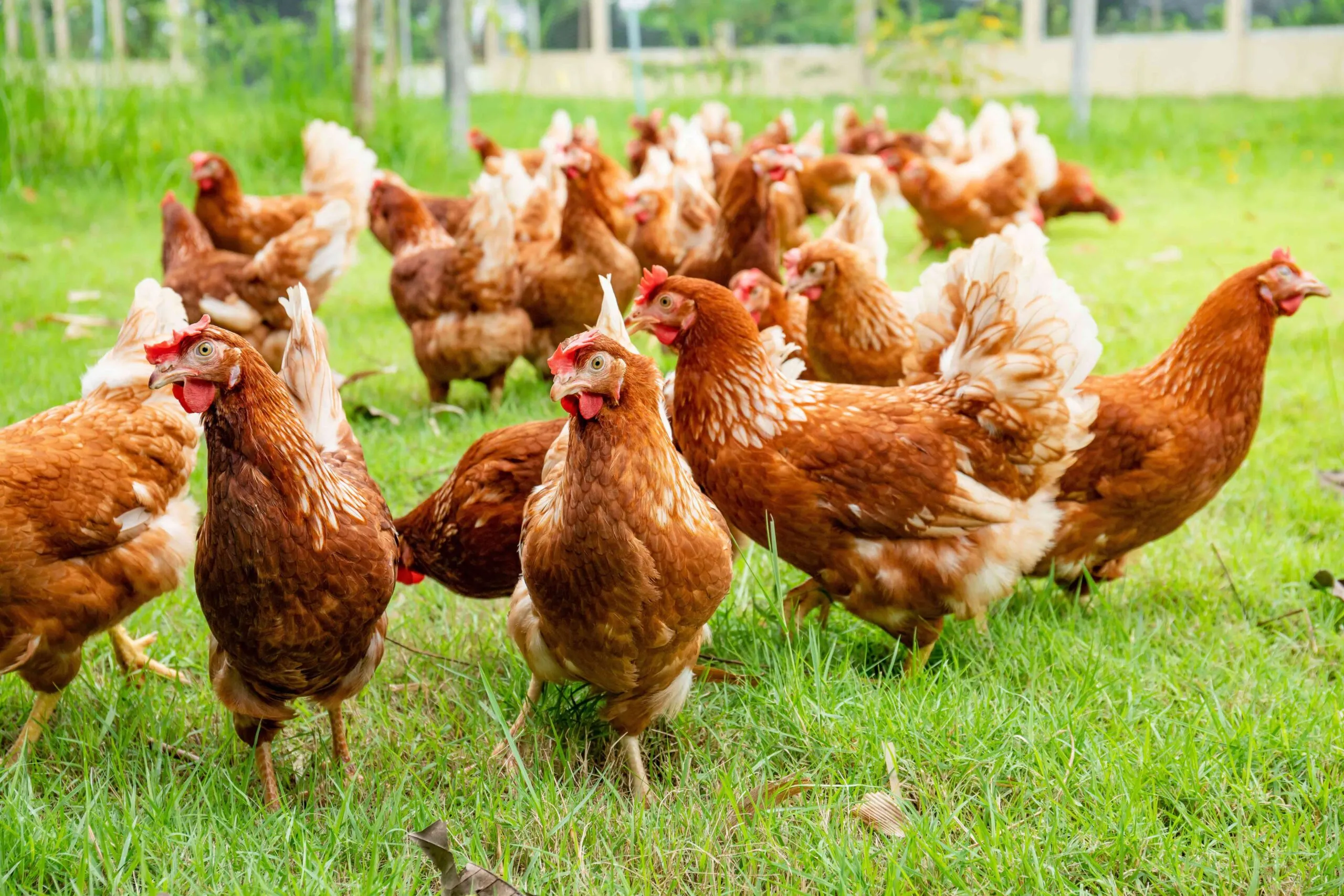
Practical Feeding Strategies to Meet the Vitamin Requirements of Laying Hens
Meeting the Vitamin Requirements of Laying Hens starts with a feeding program that provides the right nutrients in the correct proportions. Even a high-quality vitamin premix cannot compensate for poor feed formulation, inconsistent mixing, or inadequate feed management. Producers should consider the complete diet and the flock’s daily nutritional intake when making supplementation decisions.
The following strategies can help improve vitamin nutrition on commercial layer farms:
- Use a Complete Layer Feed
Choose a feed specifically formulated for laying hens. It should provide the vitamins, minerals, protein, amino acids, and energy needed to support egg production.
- Select a Suitable Vitamin Premix
Use a premix designed for the birds’ production stage. Check its vitamin concentrations, recommended inclusion rate, manufacturing date, and storage requirements before use.
- Maintain Accurate Feed Mixing
Small quantities of vitamins must be distributed evenly throughout the feed. Premixing concentrated additives with a suitable carrier before adding them to the main batch can improve mixing uniformity.
- Protect Feed from Environmental Damage
Store feed and vitamin premixes in cool, dry conditions. Keep products away from direct sunlight and moisture, and avoid storing them for longer than their recommended shelf life.
- Adjust the Feeding Program When Conditions Change
Review vitamin intake whenever feed consumption, environmental temperature, or production performance changes. Avoid increasing supplementation without evaluating the existing diet.
- Monitor Feed Intake and Production Results
Compare daily feed consumption with egg production and eggshell quality. These measurements help determine whether the feeding program is meeting the flock’s nutritional needs.
For practical implementation, poultry producers can follow this checklist:
- Use age-appropriate layer feed.
- Check the vitamin composition of every premix.
- Follow the recommended inclusion rate.
- Ensure uniform mixing during feed production.
- Maintain proper storage conditions.
- Review nutritional specifications regularly.
- Consult a poultry nutritionist when reformulating diets.
An effective feeding strategy focuses on consistency rather than excessive supplementation. When feed formulation, storage, and flock monitoring work together, producers can support hen health, maintain egg quality, and achieve more predictable production results.
Conclusion: Meeting Vitamin Requirements for Healthy and Productive Laying Hens
Consistent egg production depends on more than providing enough feed. Laying hens need a balanced supply of vitamins throughout their production cycle to maintain reproductive health, support normal metabolism, and produce eggs with good internal and external quality. Meeting the Vitamin Requirements of Laying Hens is therefore an important part of an effective poultry nutrition program.
Vitamins A, D3, E, and K each perform specific functions, while B-complex vitamins support energy metabolism, tissue development, and other essential physiological processes. An appropriate balance helps maintain normal body functions and reduces the risk of nutritional deficiencies that can affect flock performance.
However, vitamin requirements are not identical for every flock. Age, genetic potential, daily feed intake, egg production rate, housing conditions, and environmental stress can all influence nutritional needs. For example, hens exposed to high temperatures may consume less feed, making it particularly important to monitor their actual daily vitamin intake. Feed storage conditions and processing methods also matter because vitamin activity can decline over time or during manufacturing.
The most effective approach is to use a properly formulated layer diet, select a suitable vitamin premix, and adjust supplementation according to production needs and professional nutritional advice. Regularly monitoring feed intake, egg production, eggshell quality, and flock health helps identify potential problems early. By managing these factors together, poultry producers can maintain healthier hens, improve production consistency, and support better long-term farm performance.
FAQ
- What Are the Most Important Vitamins for Laying Hens?
Vitamins A, D3, E, and K, along with B-complex vitamins, are essential for laying hens. They support reproductive health, calcium metabolism, immunity, blood clotting, and energy production. Each vitamin has a different function, so a balanced combination is necessary.
- How Does Vitamin D3 Affect Eggshell Quality?
Vitamin D3 helps hens absorb and utilize calcium and phosphorus. These minerals are essential for eggshell formation and bone health. Insufficient vitamin D3 can lead to poor eggshell quality, reduced egg production, and skeletal problems.
- Do Laying Hens Need Vitamin C Supplements?
Healthy chickens can normally synthesize vitamin C in their bodies. However, additional supplementation may be beneficial during heat stress or other challenging environmental conditions. Its use should be evaluated as part of the overall feeding program.
- What Happens If Laying Hens Do Not Receive Enough Vitamins?
Vitamin deficiencies can reduce egg production, weaken eggshells, impair immune function, and cause reproductive or neurological problems. The symptoms depend on which vitamin is deficient and how severe the deficiency is.
- Can Too Many Vitamins Be Harmful to Laying Hens?
Yes. Excessive supplementation, particularly of fat-soluble vitamins such as A and D3, can cause toxicity or interfere with nutrient balance. Producers should follow appropriate feed specifications instead of increasing vitamin levels without nutritional justification.
- How Often Should Vitamin Premixes Be Added to Layer Feed?
Vitamin premixes are generally incorporated into the complete feed during its formulation. The inclusion rate depends on the product’s concentration and the nutritional specifications of the diet. Producers should follow the manufacturer’s instructions and avoid unnecessary additional supplementation.
- Does Heat Stress Increase Vitamin Requirements in Laying Hens?
Heat stress can increase the importance of maintaining adequate vitamin intake. Because hens often eat less during hot weather, their daily intake of essential nutrients may decrease. Appropriate adjustments to feed formulation, alongside cooling and ventilation, can help maintain nutritional balance.
- How Can Poultry Producers Identify Vitamin Deficiencies?
Changes in feed consumption, egg production, eggshell quality, body condition, and bird behavior can indicate potential nutritional problems. However, these symptoms are not specific to vitamin deficiencies. Feed analysis and veterinary evaluation are useful for identifying the actual cause.