Recognizing the early signs of vitamin deficiency in poultry is essential for maintaining flock health, supporting proper growth, and preventing production losses. Changes in feed intake, slow weight gain, leg weakness, poor feather development, reduced egg production, and unusual behavior can all indicate an underlying nutritional problem.
However, these symptoms do not always point to the same vitamin deficiency, making accurate identification particularly important. Each vitamin plays a specific role in the bird’s body, from supporting bone development and immune function to maintaining healthy muscles, nerves, and reproductive performance. When dietary vitamin levels are inadequate, birds may develop clinical signs that become more severe if the underlying problem remains uncorrected. Feed quality, storage conditions, formulation errors, and increased nutritional demands can all contribute to vitamin deficiencies.
Understanding the different symptoms and their possible causes helps poultry producers take timely action and protect flock productivity. In this article, we explore the most important signs of vitamin deficiency in poultry, along with practical approaches to diagnosis, treatment, and prevention.
What Are the Common Signs of Vitamin Deficiency in Poultry?
Vitamin deficiencies in poultry can affect several body systems, often causing noticeable changes in growth, behavior, physical condition, and production performance. The first signs may be subtle, such as reduced feed intake, slower weight gain, or changes in feather quality.
As the deficiency progresses, birds may develop more serious problems, including leg weakness, poor coordination, reduced immunity, and reproductive disorders. The type and severity of symptoms depend on which vitamin is lacking, the age of the birds, and how long the nutritional imbalance has continued.
For poultry producers, recognizing these early warning signs is important because delayed intervention can affect flock uniformity and increase production costs. Common indicators include:
- Poor growth and weight gain: Birds may grow more slowly than expected, resulting in uneven body weights and reduced production efficiency.
- Reduced feed intake: Vitamin deficiencies can interfere with normal metabolism and appetite.
- Leg weakness and lameness: Problems with bone development, muscle function, or nerve activity may make walking difficult.
- Poor feather development: Feathers may appear rough, brittle, or poorly formed.
- Reduced egg production: Laying hens may produce fewer eggs, while egg quality and hatchability can also decline.
- Neurological symptoms: Tremors, abnormal posture, and loss of coordination may indicate deficiencies affecting the nervous system.
Maintaining consistent feed quality is essential for preventing these problems. Companies such as Pishva Holding operate in the animal feed and agricultural supply sector, where access to appropriate feed ingredients is an important part of supporting poultry nutrition.
It is important to remember that these symptoms are not exclusive to vitamin deficiencies. Mineral imbalances, infectious diseases, parasites, and poor management can produce similar signs. Therefore, evaluating the feed formulation and the overall health of the flock is necessary before selecting a corrective treatment.
Signs of Fat-Soluble Vitamin Deficiencies in Poultry
Fat-soluble vitamins play an important role in maintaining normal growth, bone development, vision, blood clotting, and antioxidant protection in poultry. This group includes vitamins A, D3, E, and K. Unlike water-soluble vitamins, fat-soluble vitamins can be stored in body tissues, particularly the liver, so clinical signs may take longer to appear when dietary intake becomes inadequate. However, prolonged deficiencies can seriously affect bird health and production performance.
The main symptoms associated with each deficiency include:
| Vitamin | Common deficiency signs |
| Vitamin A | Eye disorders, poor growth, reduced immunity, and lower egg production |
| Vitamin D3 | Rickets, weak bones, lameness, and poor eggshell quality |
| Vitamin E | Neurological disorders, muscular damage, and encephalomalacia |
| Vitamin K | Excessive bleeding, internal hemorrhages, and impaired blood clotting |
Vitamin A deficiency can damage the epithelial tissues lining the respiratory and digestive tracts, increasing susceptibility to secondary infections. Vitamin D3 deficiency interferes with calcium and phosphorus metabolism, leading to poor skeletal mineralization in growing birds. In laying hens, inadequate vitamin D3 can also reduce eggshell strength. Vitamin E deficiency is associated with encephalomalacia, muscular dystrophy, and exudative diathesis, while vitamin K deficiency increases the risk of abnormal bleeding.
Preventing these conditions requires appropriate vitamin levels, good feed quality, and proper storage. When sourcing nutritional ingredients, Specialized Import Services can also be relevant to businesses managing the supply of feed additives and specialized poultry nutrition products. Choosing suitable ingredients and maintaining their quality throughout storage and handling are essential for consistent feed formulation.
Recognizing the specific clinical signs helps producers investigate deficiencies before they cause widespread problems.
Signs of Water-Soluble Vitamin Deficiencies in Poultry
Water-soluble vitamins are essential for energy production, protein metabolism, nerve function, blood cell formation, and tissue development. This group includes the B-complex vitamins, such as thiamine (B1), riboflavin (B2), niacin (B3), pantothenic acid (B5), pyridoxine (B6), biotin (B7), folic acid (B9), and cobalamin (B12). Because poultry generally have limited storage capacity for many of these vitamins, inadequate dietary intake can lead to clinical signs relatively quickly.
The symptoms vary according to the vitamin involved:
| Vitamin | Main deficiency symptoms |
| B1 (Thiamine) | Loss of appetite, weakness, tremors, and star-gazing posture |
| B2 (Riboflavin) | Curled-toe paralysis, poor growth, and leg weakness |
| B3 (Niacin) | Enlarged hock joints, bowed legs, and dermatitis |
| B5 (Pantothenic acid) | Poor feathering, skin inflammation, and foot lesions |
| B6 (Pyridoxine) | Convulsions, abnormal movements, and reduced feed intake |
| B7 (Biotin) | Footpad dermatitis, skin lesions, and poor feather development |
| B9 (Folic acid) | Anemia, pale combs, and reduced hatchability |
| B12 (Cobalamin) | Poor growth, anemia, and reproductive problems |
Some signs are particularly useful for identifying specific nutritional problems. For example, curled toes in young chickens are strongly associated with riboflavin deficiency, while niacin deficiency may cause enlarged hock joints and abnormal leg development. Thiamine deficiency can produce neurological symptoms, including head retraction and convulsions.
Correcting these deficiencies requires reviewing the vitamin content of the feed, checking premix inclusion rates, and identifying possible nutrient losses during processing or storage. The quality of imported feed ingredients also matters. Appropriate Customs Clearance procedures can help businesses manage the entry of nutritional products and feed additives while maintaining the documentation required for their importation.
Early recognition and appropriate dietary correction are essential to prevent long-term effects on growth, flock uniformity, and reproductive performance.
How Does Choline Deficiency Affect Poultry Health?
Choline is an essential nutrient that supports fat metabolism, liver function, cell membrane structure, and normal nerve activity in poultry. Although it is often grouped with water-soluble vitamins in poultry nutrition, choline is not technically classified as a vitamin. It is particularly important for young, rapidly growing birds because their natural synthesis may not be sufficient to meet their nutritional requirements.
One of the main consequences of choline deficiency is the abnormal accumulation of fat in the liver. Choline contributes to the formation of phospholipids, which help transport fat from the liver to other tissues. When dietary choline is inadequate, this process becomes less efficient, increasing the risk of fatty liver development.
Other possible signs include:
- Perosis: Abnormal leg development, particularly in young chicks, characterized by enlarged hock joints and displacement of the Achilles tendon.
- Poor growth: Reduced weight gain and inefficient feed utilization.
- Fatty liver: Excessive fat accumulation in liver tissue, which can interfere with normal metabolic activity.
- Reduced production performance: Inadequate choline intake may affect reproductive performance and hatchability, particularly when other nutritional factors are also limiting.
The required amount of choline depends on factors such as bird age, growth rate, feed composition, and production stage. Poultry diets commonly include choline chloride to help meet these requirements. When considering Buy Feed Vitamins for Livestock and Poultry, producers should also evaluate whether the selected nutritional products provide the appropriate choline levels for their target poultry category.
Choline deficiency should not be diagnosed from fatty liver or leg abnormalities alone, since other nutritional imbalances can produce similar conditions. Reviewing the complete feed formulation, including methionine and other methyl donors, is important when investigating a suspected deficiency. Providing a properly balanced diet helps maintain liver health, normal skeletal development, and efficient poultry production.
What Causes Vitamin Deficiencies in Poultry?
Vitamin deficiencies in poultry can develop when birds do not receive enough essential nutrients through their daily feed or when factors interfere with vitamin stability, absorption, and utilization. Even diets that appear nutritionally complete may fail to meet the birds’ actual requirements if feed ingredients are poorly stored, premixes are incorrectly incorporated, or vitamin levels decrease during processing. Understanding these causes is essential because correcting the visible symptoms without addressing the underlying problem may lead to recurring nutritional deficiencies.
Several factors commonly contribute to inadequate vitamin intake in poultry:
- Poor feed formulation: Incorrect calculations, low-quality ingredients, or insufficient vitamin premix inclusion can leave birds with inadequate vitamin levels.
- Vitamin degradation during storage: Heat, moisture, oxygen, and prolonged storage can reduce the stability of certain vitamins, particularly vitamins A, E, and some B-complex vitamins.
- Feed processing conditions: Excessive heat during pelleting and other manufacturing processes may destroy heat-sensitive vitamins.
- Mycotoxin contamination: Certain mycotoxins can interfere with nutrient utilization, damage organs, and worsen the effects of nutritional deficiencies.
- Increased nutritional requirements: Rapid growth, egg production, disease challenges, and environmental stress can increase the demand for specific vitamins.
- Poor fat digestion: Problems with fat digestion and absorption may reduce the utilization of fat-soluble vitamins A, D, E, and K.
Feed quality control is particularly important when several ingredients and premixes are combined. Producers should check ingredient specifications, manufacturing dates, storage conditions, and premix inclusion rates. They should also consider the vitamin contribution of individual feed ingredients rather than relying entirely on calculated values. Identifying these risk factors helps poultry producers reduce the likelihood of deficiencies and maintain consistent flock performance.
How to Diagnose Vitamin Deficiencies in Poultry
Accurate diagnosis of vitamin deficiencies requires more than observing changes in bird appearance or behavior. Although clinical symptoms can provide useful clues, several nutritional disorders and infectious diseases produce similar signs. For this reason, poultry producers should combine clinical observations with feed evaluation, flock performance records, and laboratory investigations when necessary.
A systematic diagnostic process generally includes the following steps:
- Observe clinical signs: Look for poor feather development, reduced growth, leg abnormalities, eye disorders, neurological symptoms, and changes in egg production. Record the age of affected birds and the number of birds showing symptoms.
- Review the feed formulation: Check whether the diet contains adequate amounts of essential vitamins for the birds’ age and production stage. Pay particular attention to premix inclusion rates and possible formulation errors.
- Inspect feed storage conditions: Examine whether feed or vitamin premixes have been exposed to excessive heat, moisture, or prolonged storage.
- Evaluate flock performance: Compare body weight, feed intake, feed conversion ratio (FCR), egg production, and hatchability with expected production targets.
- Conduct laboratory testing: Depending on the suspected deficiency, feed analysis, blood tests, or tissue examination may help confirm the diagnosis.
- Perform necropsy when appropriate: Specific tissue changes and lesions can provide additional evidence of nutritional disorders.
The following table summarizes useful diagnostic approaches:
| Diagnostic method | Main purpose |
| Clinical examination | Identify visible deficiency signs |
| Feed analysis | Assess dietary vitamin levels |
| Blood testing | Evaluate selected vitamin-related indicators |
| Necropsy | Identify characteristic tissue lesions |
| Production records | Detect changes in flock performance |
Once the suspected deficiency is identified, a veterinarian or poultry nutritionist can recommend an appropriate correction. Early diagnosis is particularly important because advanced neurological damage, skeletal deformities, and other tissue injuries may not be fully reversible, even after nutritional balance has been restored.
How to Distinguish Vitamin Deficiencies From Other Poultry Diseases
One of the main challenges in identifying the signs of vitamin deficiency in poultry is that they often resemble symptoms of infectious diseases, mineral deficiencies, and metabolic disorders. For example, weak legs may result from inadequate vitamin D3, insufficient calcium or phosphorus, or skeletal infections. Similarly, reduced egg production can be associated with nutritional imbalances, reproductive diseases, or environmental stress. Relying on a single symptom can therefore lead to an incorrect diagnosis and ineffective treatment.
The following comparisons help explain some important differences:
| Observed symptom | Possible nutritional cause | Other possible causes |
| Leg weakness and lameness | Vitamin D3 or B2 deficiency | Rickets, bacterial arthritis, Marek’s disease |
| Curled toes | Riboflavin deficiency | Neurological or developmental disorders |
| Poor feather development | Biotin or pantothenic acid deficiency | External parasites, feather pecking |
| Eye abnormalities | Vitamin A deficiency | Infectious conjunctivitis, respiratory infections |
| Reduced egg production | Vitamin A, D3, or E deficiency | Reproductive diseases, heat stress |
| Neurological symptoms | Thiamine or vitamin E deficiency | Marek’s disease, Newcastle disease, toxic exposure |
Several practical considerations can help narrow down the cause:
- Distribution of symptoms: Nutritional deficiencies may affect a considerable proportion of birds consuming the same unbalanced feed, although the severity can vary between individuals.
- Age and production stage: Certain deficiencies are more common during rapid growth or intensive egg production.
- Feed history: Recent changes in feed formulation, ingredient suppliers, or premix batches may provide important clues.
- Additional clinical signs: Fever, respiratory symptoms, diarrhea, or sudden increases in mortality may suggest an infectious or toxic condition.
A proper diagnosis may require veterinary examination, laboratory testing, and necropsy. Producers should avoid treating every case of weakness or reduced productivity with vitamin supplements. The correct approach is to identify the underlying cause and address the specific nutritional or health problem.
How to Prevent Vitamin Deficiencies in Poultry
Preventing vitamin deficiencies starts with providing a balanced diet that meets the nutritional requirements of each poultry group. Birds need different vitamin levels depending on their age, growth rate, production stage, and environmental conditions.
A feed formulation that works well for growing broilers may not provide the right nutritional balance for laying hens or breeder flocks. Therefore, vitamin supplementation should be planned according to the specific needs of the birds rather than applied uniformly across all production systems.
The following management practices can help reduce the risk of deficiencies:
- Use a complete vitamin premix: Include a high-quality premix formulated for the target poultry category and follow the recommended inclusion rate.
- Check feed ingredient quality: Evaluate the nutritional composition and condition of raw materials before incorporating them into the diet.
- Maintain proper storage conditions: Store feed and premixes in cool, dry areas away from direct sunlight, excessive heat, and moisture.
- Monitor feed processing: Consider vitamin losses during pelleting, extrusion, and prolonged storage. Use stabilized vitamin preparations when appropriate.
- Adjust nutrition during stressful periods: Heat stress, disease challenges, and rapid growth can change nutrient intake and requirements.
- Monitor flock performance: Regularly assess feed intake, body weight, egg production, hatchability, and general bird condition.
It is also important to prevent feed dilution. Adding excessive amounts of grains, kitchen scraps, or other supplements to a complete commercial ration can reduce the concentration of essential vitamins and minerals.
Another useful practice is to check the expiration date and storage history of vitamin premixes before use. Vitamin stability depends on factors such as temperature, humidity, oxygen, light, and interactions with other feed components. A properly formulated diet is only effective when its nutrients remain available until consumption.
Ultimately, consistent feed management, regular nutritional assessment, and appropriate supplementation provide the foundation for preventing the signs of vitamin deficiency in poultry and maintaining healthy, productive flocks.
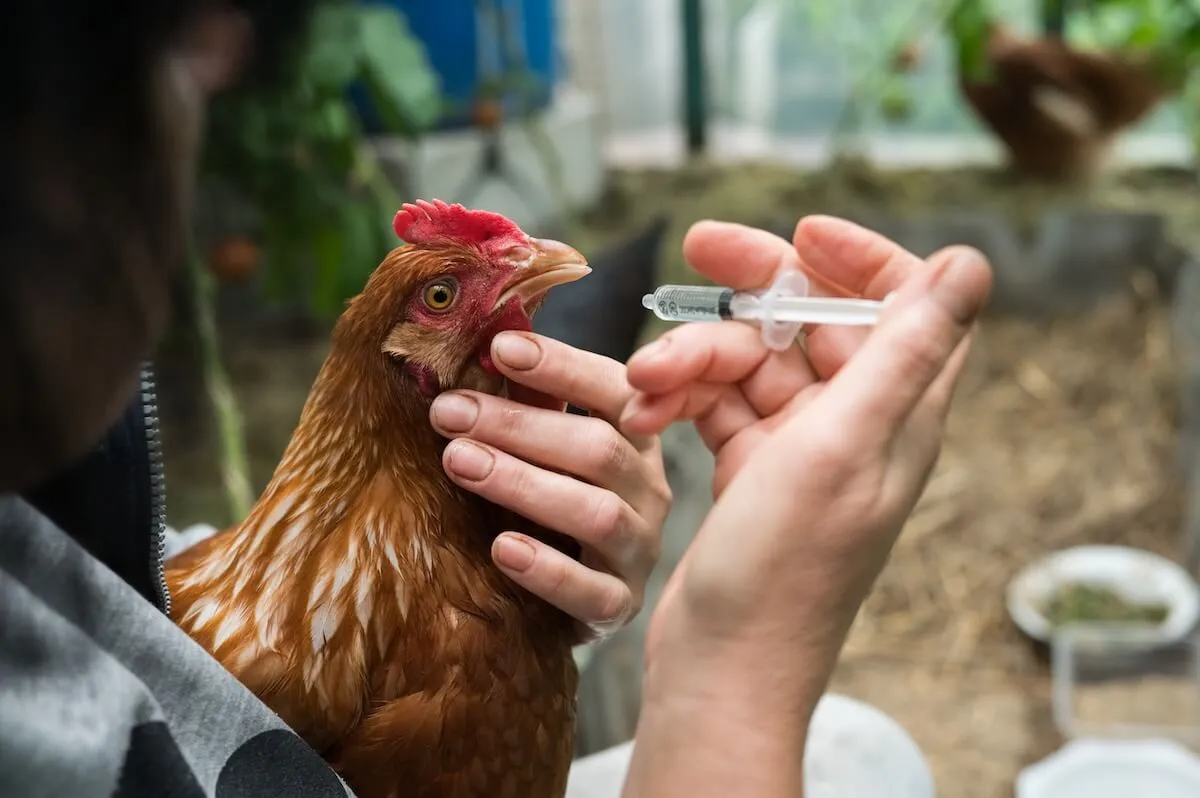
How Do Vitamin Deficiencies Affect Broilers, Layers, and Breeder Hens Differently?
Vitamin deficiencies do not affect all poultry in the same way. The consequences depend largely on the bird’s age, physiological development, production goals, and nutritional requirements. Broilers are particularly vulnerable to deficiencies that interfere with rapid growth and skeletal development, while laying hens may experience reduced egg production and poor eggshell quality. In breeder flocks, inadequate vitamin intake can also affect fertility, embryo development, and chick quality.
The main differences include:
| Poultry type | Main effects of vitamin deficiencies |
| Broilers | Slow growth, poor feed conversion, leg weakness, skeletal abnormalities, and increased susceptibility to disease |
| Laying hens | Reduced egg production, thin or weak eggshells, lower egg quality, and declining flock performance |
| Breeder hens | Reduced fertility, lower hatchability, increased embryo mortality, and poor chick development |
Broilers: Vitamins D3, E, and B-complex vitamins are particularly important for normal growth, bone formation, muscle function, and metabolism. Deficiencies may result in uneven body weights, lameness, poor feed efficiency, and neurological abnormalities.
Laying hens: Vitamin A supports epithelial health and reproductive function, while vitamin D3 is essential for calcium utilization and eggshell formation. Inadequate vitamin D3 can contribute to weak bones and reduced shell quality.
Breeder hens: Vitamins A, E, D3, and several B vitamins contribute to reproductive health and normal embryonic development. Insufficient dietary supply can reduce hatchability and increase embryo losses. The nutritional status of breeder hens also influences the nutrients transferred to developing embryos through the egg.
For this reason, poultry diets should be formulated according to production stage. Regularly reviewing nutritional specifications and monitoring reproductive and production records can help identify problems before they significantly affect flock performance.
Conclusion: Recognizing Vitamin Deficiencies to Maintain Poultry Health and Productivity
Healthy, productive poultry depends on more than an adequate supply of feed. Vitamins must be provided in the right amounts and proportions to support normal metabolism, immune function, skeletal development, and reproductive performance. Even a relatively small nutritional imbalance can affect flock health, particularly during periods of rapid growth, heat stress, disease challenges, or high egg production.
Recognizing the signs of vitamin deficiency in poultry early allows producers to investigate potential nutritional problems before they lead to more serious complications or economic losses. However, identifying a deficiency requires looking beyond visible symptoms. Leg weakness, poor feathering, reduced growth, and changes in egg production can also result from mineral imbalances, infectious diseases, or management problems.
Reviewing feed formulations, checking vitamin premix quality, assessing storage conditions, and consulting a poultry nutritionist or veterinarian are important steps toward an accurate diagnosis. Once the underlying cause is identified, correcting the diet and providing appropriate vitamin supplementation can help restore normal physiological functions. Supplementation should always be based on the birds’ actual nutritional requirements, as excessive vitamin intake can also cause health problems. Ultimately, consistent feed quality control, balanced nutrition, and regular flock monitoring are the most effective ways to prevent vitamin deficiencies and maintain long-term poultry performance.
FAQ
- What Are the First Signs of Vitamin Deficiency in Poultry?
The earliest signs often include reduced feed intake, slow weight gain, poor feather development, and changes in normal activity. Depending on the missing vitamin, birds may also develop leg weakness, abnormal posture, or reduced egg production. Early symptoms are not always specific, so feed quality and flock health should be evaluated together.
- Which Vitamin Deficiency Causes Leg Weakness in Chickens?
Vitamin D3 deficiency can cause poor bone mineralization, weak legs, and rickets in growing chickens. Riboflavin (B2) deficiency may also cause leg weakness and curled-toe paralysis. Calcium and phosphorus imbalances can produce similar skeletal problems.
- Which Vitamin Deficiency Causes Curled Toes in Chicks?
Riboflavin (vitamin B2) deficiency is a well-known nutritional cause of curled-toe paralysis. Affected chicks may walk on their hocks because of impaired nerve and muscle function. Early correction of the dietary deficiency is important to improve recovery.
- Can Vitamin Deficiency Reduce Egg Production?
Yes. Deficiencies in vitamins A, D3, E, and certain B-complex vitamins can interfere with reproductive performance and egg production. Vitamin A deficiency may reduce laying performance, while inadequate vitamin D3 can affect eggshell quality and calcium utilization.
- How Does Vitamin Deficiency Affect Feather Growth?
Inadequate levels of biotin, pantothenic acid, riboflavin, and other nutrients can interfere with normal feather development. Birds may develop rough, brittle, poorly formed feathers or uneven plumage. However, parasites, feather pecking, and protein deficiencies should also be considered.
- How Long Does It Take for Vitamin Deficiency Symptoms to Appear?
The time required for symptoms to develop depends on the vitamin involved, the bird’s age, and its existing nutrient reserves. Deficiencies of some water-soluble vitamins may become noticeable relatively quickly, whereas fat-soluble vitamin deficiencies can take considerably longer to produce clinical signs.
- Can Vitamin Deficiencies Be Reversed in Poultry?
Many vitamin deficiencies can be corrected when identified early and treated appropriately. Restoring adequate dietary vitamin levels may improve growth, appetite, and general health. However, advanced neurological damage or permanent skeletal deformities may not be fully reversible.
- Can Too Much Vitamin Supplementation Harm Chickens?
Yes. Excessive vitamin supplementation can cause nutritional imbalances and, in some cases, toxicity. Vitamins A and D3 are particularly important to monitor because prolonged excessive intake can lead to harmful effects. Supplements should be provided according to the birds’ nutritional requirements rather than at unnecessarily high doses.
- What Is the Best Way to Prevent Vitamin Deficiency in Poultry?
The most effective approach is to provide a properly formulated diet containing adequate levels of essential vitamins. Using quality vitamin premixes, maintaining suitable storage conditions, checking feed formulations, and monitoring flock performance can significantly reduce the risk of nutritional deficiencies.