Healthy growth, efficient feed utilization, and consistent production depend on more than just meeting the basic nutritional requirements of poultry. B vitamins play an essential role in maintaining these functions by supporting energy metabolism, protein utilization, nervous system activity, and normal tissue development.
In poultry production, even a marginal deficiency can affect growth rates, feed conversion, feather development, and reproductive performance. This makes B Vitamins in Poultry Nutrition an important consideration when formulating balanced diets for broilers, laying hens, and breeder flocks. Each B vitamin has a specific function, and the amount required can vary depending on the bird’s age, production stage, feed composition, and environmental conditions.
Factors such as heat stress, feed processing, storage, and ingredient quality can also influence vitamin availability. Understanding these factors helps poultry producers make better supplementation decisions and avoid nutritional imbalances. In this article, we explore the functions, dietary sources, deficiency symptoms, and practical supplementation strategies to help maintain flock health and production efficiency.
Why Are B Vitamins Essential for Poultry Health and Performance?
B vitamins are essential nutrients that support several metabolic processes involved in poultry growth, development, and overall health. Unlike fat-soluble vitamins, most B vitamins are not stored in large amounts in the body, so birds need a regular dietary supply to maintain normal physiological functions. Their primary role is to help convert carbohydrates, fats, and proteins into usable energy. They also contribute to amino acid metabolism, red blood cell formation, nervous system activity, and the development of healthy tissues.
In commercial poultry production, adequate B vitamin intake is particularly important because birds often experience rapid growth and high production demands. Broilers need sufficient amounts to support muscle development and efficient nutrient utilization, while laying hens require a balanced supply to maintain egg production and reproductive health. Breeder flocks also depend on these nutrients for normal embryonic development and hatchability.
Several factors can influence the availability of B vitamins in poultry diets, including feed ingredient quality, processing conditions, storage, and daily feed consumption. Working with experienced suppliers, such as Pishva Holding, can help poultry businesses manage their feed ingredient procurement requirements more effectively.
The main benefits of adequate B vitamin intake include:
- Energy metabolism: Helps enzymes convert dietary nutrients into energy.
- Growth and development: Supports protein metabolism, cell division, and tissue formation.
- Nervous system function: Contributes to normal neurological activity.
- Blood cell production: Supports the formation of healthy red blood cells.
- Reproductive performance: Helps maintain normal reproductive functions and embryonic development.
Providing a balanced supply of these nutrients is therefore an important part of maintaining flock health and production efficiency.
Types of B Vitamins in Poultry Nutrition and Their Specific Functions
The B vitamin group consists of several water-soluble nutrients, each performing specific functions in poultry metabolism. Although they work together to support normal growth and health, their individual roles and deficiency symptoms differ. Understanding these differences helps nutritionists formulate more accurate diets and identify potential nutritional problems.
The following table summarizes the main B vitamins and their functions in poultry:
| B Vitamin | Primary Function | Potential Deficiency Signs |
| Vitamin B1 (Thiamine) | Carbohydrate metabolism and nerve function | Neurological problems, loss of appetite, poor growth |
| Vitamin B2 (Riboflavin) | Energy production and cellular metabolism | Curled-toe paralysis, poor growth |
| Vitamin B3 (Niacin) | Energy metabolism and tissue development | Leg weakness, poor growth, skin abnormalities |
| Vitamin B5 (Pantothenic Acid) | Coenzyme A production and fat metabolism | Dermatitis, poor feather development |
| Vitamin B6 (Pyridoxine) | Amino acid metabolism and neurotransmitter production | Nervous disorders, reduced appetite |
| Vitamin B7 (Biotin) | Carboxylase activity and fatty acid metabolism | Footpad lesions, dermatitis, poor hatchability |
| Vitamin B9 (Folic Acid) | DNA synthesis and cell division | Anemia, impaired growth, reproductive problems |
| Vitamin B12 (Cobalamin) | Red blood cell formation and methionine metabolism | Anemia, poor growth, reduced hatchability |
Each nutrient contributes to a different part of the bird’s metabolic system. For example, riboflavin is needed for the production of coenzymes involved in energy metabolism, while pyridoxine supports reactions that process amino acids. Biotin is particularly important for skin integrity and normal tissue development, whereas folic acid and vitamin B12 contribute to cell division and blood formation.
Feed manufacturers must also consider the quality and stability of vitamin ingredients when preparing premixes. Proper sourcing and handling are important throughout the supply chain. Businesses that require international procurement support can explore Specialized Import Services to better manage the importation of feed-related ingredients.
It is important to remember that meeting the requirement for one B vitamin cannot compensate for a deficiency in another. Poultry diets should therefore provide an appropriate balance of all essential B vitamins.
How B Vitamins Affect Poultry Growth, Feed Efficiency, and Production Performance
Poultry production depends on the bird’s ability to convert dietary nutrients into body tissue, eggs, and other productive outputs. B vitamins support this process by acting as coenzymes in numerous metabolic reactions. When birds receive adequate amounts, their bodies can use dietary energy, amino acids, and other nutrients more effectively. This is particularly important in intensive production systems, where rapid growth and consistent output are major management goals.
In broilers, B vitamins contribute to the metabolic processes required for muscle development and normal weight gain. Thiamine, riboflavin, and niacin are especially important for energy metabolism, while pyridoxine supports amino acid utilization. A balanced vitamin supply helps prevent nutritional limitations that could interfere with growth and feed utilization.
For laying hens, adequate B vitamin intake supports cellular metabolism, tissue maintenance, and normal reproductive activity. Folic acid and vitamin B12 are particularly relevant to cell division and blood formation, while other B vitamins contribute to the metabolic processes needed to sustain egg production.
The main production-related functions include:
- Body weight gain: Supports metabolic processes involved in tissue development.
- Feed conversion: Helps birds utilize dietary nutrients through normal enzyme activity.
- Egg production: Contributes to the nutritional and metabolic requirements of laying hens.
- Hatchability: Supports embryonic development and normal reproductive function.
- Feather development: Helps maintain healthy skin and tissue formation.
Production efficiency also depends on feed quality, genetics, housing, disease control, and environmental management. B vitamin supplementation alone cannot guarantee improved feed conversion or higher egg production.
Reliable transportation and regulatory handling of imported feed ingredients are also important for maintaining supply continuity. Appropriate Customs Clearance procedures can help businesses manage the movement of nutritional ingredients through international supply chains.
Ultimately, B vitamins should be considered part of a complete nutritional strategy rather than a standalone solution for improving poultry performance.
B Vitamin Deficiency in Poultry: Causes, Symptoms, and Production Consequences
B vitamin deficiencies can develop when poultry diets fail to provide sufficient amounts of one or more essential nutrients. Since B vitamins participate in different metabolic pathways, the effects of a deficiency depend on which vitamin is lacking, how severe the shortage is, and how long it continues. Young birds can be particularly vulnerable because their bodies are developing rapidly and require a consistent supply of nutrients.
One common cause is inadequate feed formulation. Poor-quality ingredients, incorrect premix inclusion rates, and insufficient dietary vitamin levels can all contribute to nutritional deficiencies. Processing and storage conditions also matter. Heat, moisture, and prolonged storage may reduce the stability of certain vitamins, leaving less available in the finished feed.
Other contributing factors include:
- Low feed intake: Birds may consume insufficient vitamins during illness, heat stress, or other periods of reduced appetite.
- Ingredient variability: The natural vitamin content of feed ingredients can differ depending on their origin and processing.
- Feed manufacturing conditions: Excessive heat and unsuitable processing practices may cause vitamin losses.
- Nutritional interactions: Certain dietary components can influence vitamin availability or increase the risk of deficiency.
- Poor storage management: Exposure to moisture, oxygen, and unfavorable temperatures can affect vitamin stability.
The symptoms also vary depending on the nutrient involved. For example, riboflavin deficiency can cause curled-toe paralysis, while inadequate thiamine intake may lead to neurological abnormalities. Biotin deficiency is associated with dermatitis and footpad lesions, and deficiencies of folic acid or vitamin B12 can interfere with normal blood cell formation and growth.
| Deficient Vitamin | Common Clinical Signs |
| B1 | Neurological disorders and reduced feed intake |
| B2 | Curled-toe paralysis and leg weakness |
| B3 | Poor growth and skeletal abnormalities |
| B5 | Dermatitis and poor feather condition |
| B6 | Neurological signs and reduced appetite |
| B7 | Footpad lesions and skin abnormalities |
| B9 | Anemia and impaired growth |
| B12 | Anemia, poor growth, and reproductive problems |
When a deficiency is suspected, poultry producers should review feed formulation, premix specifications, ingredient quality, and flock performance. Clinical signs alone are not sufficient for a definitive diagnosis because several nutritional and infectious conditions can produce similar symptoms.
Selecting appropriate products is another important consideration. Businesses looking to Buy Feed Vitamins for Livestock and Poultry should pay attention to product specifications, vitamin concentrations, stability, and suitability for the intended poultry production stage.
Early identification and correction of nutritional deficiencies can help prevent further production losses. A properly balanced diet, combined with regular flock monitoring and good feed management, remains the most reliable approach to maintaining adequate B vitamin intake.
Natural Sources of B Vitamins in Poultry Feed Ingredients
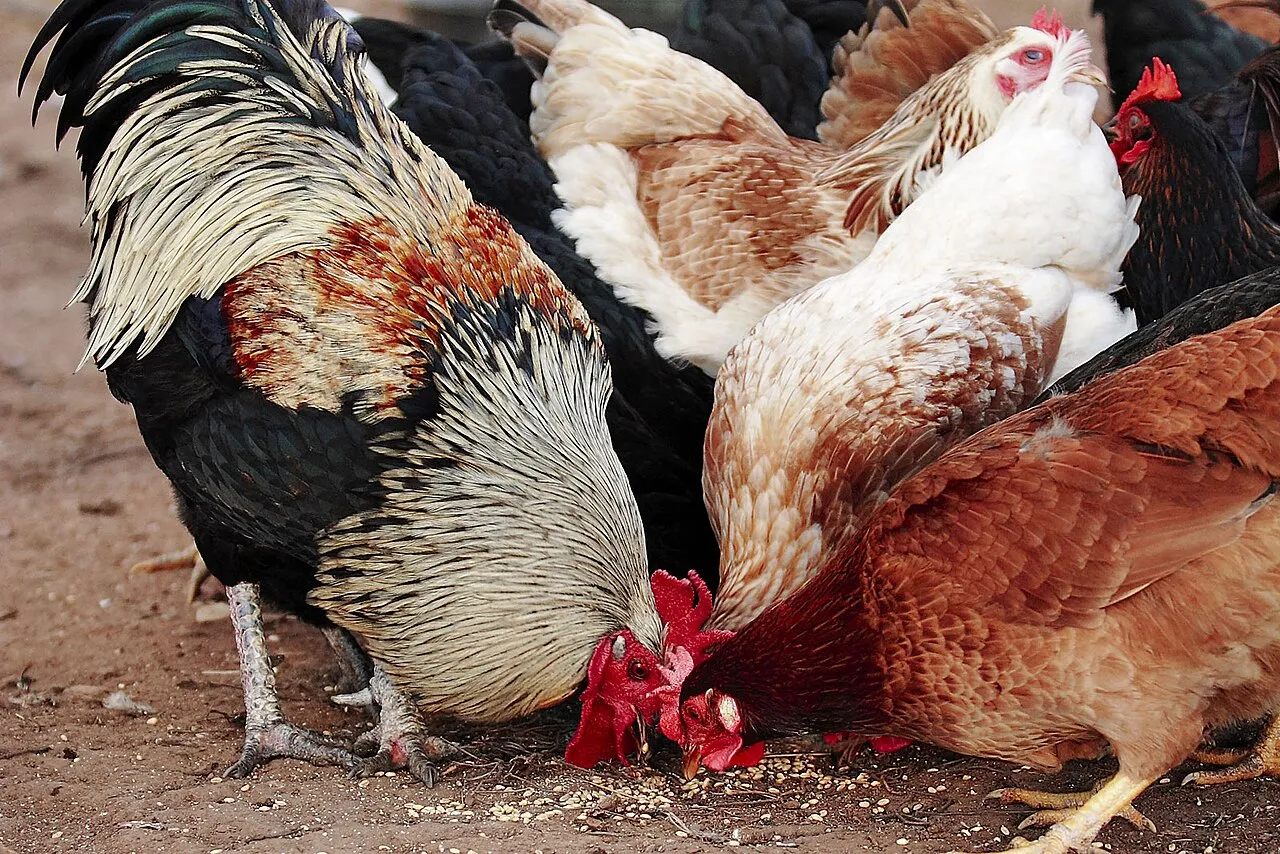
Poultry diets can obtain B vitamins from a variety of plant- and animal-based feed ingredients. However, the amount supplied by each ingredient depends on its composition, processing method, and nutritional quality. Cereal grains, oilseed meals, animal protein ingredients, and certain fermentation by-products can all contribute to the birds’ daily vitamin intake. Although these ingredients provide useful amounts of some B vitamins, their natural contribution is not always sufficient to meet the requirements of commercial poultry.
Corn, wheat, and other cereal grains contain several B vitamins, particularly thiamine, niacin, and pyridoxine. Whole grains and their outer layers generally contain more B vitamins than highly refined fractions because some vitamins are concentrated in the bran and germ. Wheat bran, for example, can contribute thiamine and other B-group vitamins to poultry diets.
Oilseed meals, including soybean meal and sunflower meal, also supply B vitamins alongside valuable protein and amino acids. Animal-derived ingredients, such as fish meal and certain meat-based meals, can provide additional B vitamins, particularly vitamin B12, which is naturally associated with animal-origin ingredients.
Some common dietary sources include:
- Corn and wheat: Provide thiamine, niacin, and other B vitamins.
- Wheat bran: Contributes several B vitamins, including thiamine and pyridoxine.
- Soybean meal: Supplies various B vitamins and supports protein nutrition.
- Fish meal: Provides vitamin B12 and other nutrients.
- Brewers’ dried yeast: Can be a valuable source of several B vitamins.
Despite these contributions, feed formulation should not rely exclusively on natural ingredients. Their vitamin concentrations can vary between batches, making supplementation necessary to maintain consistent B Vitamins in Poultry Nutrition.
B Vitamin Requirements for Broilers, Layers, and Breeder Chickens
B vitamin requirements vary according to the type of poultry, age, growth rate, and production objectives. A feeding program designed for rapidly growing broilers may not provide the right nutritional balance for laying hens or breeder flocks. For this reason, poultry nutritionists should consider the bird’s production stage and daily feed intake when determining vitamin inclusion levels.
Broilers have high metabolic demands during their starter and grower phases. Adequate thiamine, riboflavin, niacin, and pyridoxine are particularly important for energy metabolism, protein utilization, and tissue development. As birds enter the finisher phase, the vitamin program should continue to meet their requirements while accounting for changes in feed consumption and body weight.
Laying hens need a consistent supply of B vitamins to support egg production, tissue maintenance, and normal reproductive activity. Breeder chickens have additional nutritional considerations because vitamin intake can influence fertility, embryonic development, and hatchability.
| Poultry Type | Main Nutritional Priorities |
| Broiler chicks | Rapid growth, energy metabolism, and skeletal development |
| Growing broilers | Muscle development and efficient nutrient utilization |
| Finisher broilers | Maintaining growth and metabolic function |
| Laying hens | Egg production and reproductive health |
| Breeder chickens | Fertility, embryonic development, and hatchability |
When establishing dietary requirements, nutritionists should consider:
- Age and production stage: Nutrient requirements change as birds mature.
- Feed intake: Vitamin intake depends on both dietary concentration and the amount of feed consumed.
- Genetic potential: Different commercial strains may have different nutritional specifications.
- Environmental conditions: Heat stress and other challenges can affect feed consumption and nutritional needs.
- Diet composition: Feed ingredients influence the natural vitamin contribution of the ration.
The 2026 edition of Nutrient Requirements of Poultry provides updated recommendations and feeding considerations. Using current strain-specific feeding guides alongside appropriate nutritional specifications helps prevent under- or oversupplementation.
How to Supplement B Vitamins in Poultry Diets Effectively
Effective supplementation starts with understanding the nutritional contribution of the complete diet. Although grains, protein meals, and other feed ingredients naturally contain B vitamins, their concentrations can vary considerably. A properly formulated vitamin premix helps maintain a consistent supply and reduces the risk of deficiencies caused by ingredient variability.
The first step is to calculate the total vitamin contribution from the basal feed ingredients and compare it with the requirements of the target poultry group. Nutritionists can then determine the appropriate amount of supplemental vitamins needed to meet the dietary specifications.
Several practical considerations can improve supplementation accuracy:
- Select appropriate vitamin premixes: Choose products formulated for poultry and suitable for the intended production stage.
- Check vitamin concentrations: Review product specifications to confirm the amount of each vitamin supplied per kilogram of premix.
- Consider natural dietary contributions: Account for the vitamins already present in grains, oilseed meals, and other ingredients where reliable data are available.
- Ensure uniform mixing: Use suitable mixing equipment and follow the manufacturer’s recommended inclusion rate.
- Monitor feed consumption: Reduced intake can lower the actual daily vitamin supply, even when the feed formulation meets its intended specifications.
For example, if birds consume less feed during hot weather, their daily intake of B vitamins may decrease. In such situations, nutritionists should assess the total nutrient intake before making adjustments to the feeding program.
Water-soluble B vitamin supplements can also be administered through drinking water when appropriate. However, product compatibility, water quality, dosage instructions, and solution stability must be considered.
It is equally important to avoid excessive supplementation. Adding more vitamins than necessary does not automatically improve growth or feed conversion. A balanced approach to B Vitamins in Poultry Nutrition should focus on meeting established dietary requirements, maintaining product quality, and monitoring flock performance.
Factors That Affect B Vitamin Stability in Poultry Feed
Maintaining the vitamin content of poultry feed requires careful attention throughout manufacturing, transportation, and storage. Even when a feed formulation contains the correct vitamin inclusion levels, processing conditions can reduce the amount remaining in the finished product. This is particularly important for B vitamins because their stability differs depending on their chemical structure.
Heat exposure during pelleting and extrusion is one of the main factors that nutritionists and feed manufacturers need to consider. Thiamine and folic acid can be particularly sensitive to processing conditions, while other B vitamins, including niacin, generally show greater stability. Riboflavin is especially sensitive to light exposure, making appropriate storage and packaging important.
The following factors can influence vitamin retention:
| Factor | Potential Effect on B Vitamins | Recommended Management |
| High temperatures | Can accelerate the degradation of sensitive vitamins | Control processing temperatures and exposure time |
| Moisture | Can increase the risk of deterioration during storage | Keep feed dry and prevent water contamination |
| Light exposure | Particularly affects riboflavin | Use suitable protective packaging |
| Oxygen and oxidation | Can contribute to the degradation of susceptible vitamins | Limit unnecessary air exposure |
| Long storage periods | May gradually reduce vitamin potency | Follow recommended shelf-life conditions |
| Feed processing | Can cause vitamin losses depending on the method and conditions | Consider processing-related retention when formulating |
Feed manufacturers can reduce these risks by using high-quality vitamin preparations, maintaining suitable production conditions, and storing premixes in cool, dry environments away from direct sunlight.
Another important consideration is the difference between the vitamin concentration in the original premix and the amount retained after processing. Formulation decisions should account for expected processing losses without relying on arbitrary safety margins.
Regular quality checks, appropriate packaging, and inventory rotation can help maintain consistent vitamin levels. These practices are essential for preserving the nutritional value of finished feed and ensuring that poultry receive an adequate supply of B vitamins throughout the production cycle.
B Vitamins and Gut Microbiota: Understanding Their Relationship in Poultry
The relationship between B vitamins and gut microbiota in poultry works in both directions. While B vitamins support normal metabolism and intestinal function, certain microorganisms living in the digestive tract can also produce some of these nutrients. This interaction is important because gut health influences digestion, nutrient absorption, and the overall nutritional status of birds.
Several intestinal bacteria can synthesize B vitamins, including riboflavin (B2), biotin (B7), and folate (B9). However, the amount produced and the extent to which birds can benefit from microbial vitamin production depend on the bacterial species, intestinal location, and conditions within the digestive tract. Not all vitamins produced by gut bacteria are available to the host in sufficient quantities. Therefore, microbial synthesis should not be considered a replacement for properly formulated dietary vitamin supplementation.
A healthy intestinal environment can support better nutrient utilization through several mechanisms:
- Microbial vitamin production: Certain beneficial bacteria contribute to the synthesis of specific B vitamins.
- Intestinal barrier function: A balanced microbial community helps maintain the integrity of the intestinal lining.
- Nutrient metabolism: Microbial activity influences the breakdown and utilization of dietary components.
- Immune regulation: Gut microorganisms interact with the intestinal immune system and help maintain normal immune responses.
Dietary composition, feed quality, probiotics, and prebiotics can influence the microbial environment. Some research also suggests that riboflavin may support the growth and metabolic activity of particular beneficial intestinal bacteria. Nevertheless, the effects depend on microbial strains and dietary conditions.
For poultry producers, maintaining a balanced diet and healthy digestive environment is a practical way to support the relationship between gut microbiota and B Vitamins in Poultry Nutrition.
How to Improve B Vitamin Utilization Through Poultry Feed Management
Providing sufficient B vitamins in a feed formula is only one part of successful poultry nutrition. Birds must also consume the feed regularly, and the vitamins must remain stable and available throughout manufacturing, storage, and feeding. Poor feed management can reduce the nutritional value of a diet, even when its original formulation is correct.
One of the most important steps is to use consistent, high-quality feed ingredients. Variations in grain quality, protein meals, and other raw materials can affect the natural vitamin contribution of the diet. Feed manufacturers should review ingredient specifications and account for processing losses when establishing premix inclusion rates.
The following practices can help improve vitamin utilization:
- Maintain accurate feed formulation: Match vitamin concentrations to the age, production stage, and nutritional requirements of the flock.
- Ensure uniform mixing: Distribute vitamin premixes evenly throughout the feed to prevent inconsistent nutrient intake.
- Monitor feed consumption: Check daily intake, particularly during hot weather or periods of disease-related stress.
- Control storage conditions: Keep feed and vitamin premixes in cool, dry areas away from direct sunlight.
- Use appropriate processing conditions: Manage pelleting temperatures and exposure times to minimize vitamin degradation.
- Maintain water quality: Provide clean drinking water to support normal feed consumption and digestive function.
Feed intake deserves particular attention. For example, if a broiler consumes less feed during heat stress, its daily vitamin intake will also decline unless the dietary concentration and feeding strategy are appropriately reviewed.
Another useful practice is to monitor flock performance through body weight, feed conversion ratio, egg production, and general health observations. These indicators can help identify possible nutritional problems before they become widespread.
Effective management of B Vitamins in Poultry Nutrition requires coordination between feed formulation, manufacturing quality control, storage, and flock monitoring. Adjustments should be based on actual nutritional requirements rather than routine increases in supplementation.
Common Mistakes to Avoid When Supplementing B Vitamins in Poultry
B vitamin supplementation is an important part of poultry feed formulation, but incorrect use can create nutritional imbalances and unnecessary production costs. One common mistake is assuming that all poultry require the same vitamin concentrations. In reality, broilers, laying hens, and breeder chickens have different nutritional needs depending on their age, growth rate, and production stage.
Another frequent problem is relying entirely on the natural vitamin content of feed ingredients. Although grains, oilseed meals, and animal-derived ingredients contribute B vitamins, their concentrations can vary between batches. Without appropriate formulation and quality control, this variability may lead to inadequate dietary intake.
Poultry producers should also avoid the following mistakes:
- Using excessive supplementation: Adding more vitamins than recommended does not necessarily improve growth, immunity, or feed conversion.
- Ignoring processing losses: Heat and unsuitable storage conditions can reduce the concentration of certain B vitamins in finished feed.
- Overlooking feed intake: Birds consuming less feed may receive insufficient daily amounts of vitamins, even when the diet meets standard concentration targets.
- Using unsuitable premixes: Products should be selected according to their vitamin composition, stability, quality, and intended application.
- Poor premix distribution: Inadequate mixing can result in uneven vitamin concentrations throughout the feed.
- Ignoring deficiency symptoms: Changes in growth, feather condition, leg health, or production performance should prompt a nutritional review.
It is also important not to confuse choline with the B vitamin group. Although choline is often included in poultry vitamin premixes, it is not technically classified as a B vitamin.
Avoiding these mistakes requires accurate feed formulation, reliable ingredient sourcing, appropriate storage, and regular flock monitoring. A well-managed supplementation program should provide sufficient amounts of each essential nutrient without unnecessary additions. This approach helps maintain feed quality, support poultry health, and manage production costs more effectively.
Conclusion: Getting the Most Out of B Vitamins in Poultry Nutrition
A well-balanced vitamin program is an important part of maintaining healthy, productive poultry flocks. B vitamins support several essential biological processes, from converting nutrients into usable energy to maintaining normal nerve function, blood cell formation, and tissue development. Since each vitamin performs a different role, poultry diets must provide adequate amounts of thiamine, riboflavin, niacin, pantothenic acid, pyridoxine, biotin, folic acid, and vitamin B12.
Effective B Vitamins in Poultry Nutrition requires more than simply adding a vitamin premix to feed. Producers must consider the nutritional value of feed ingredients, the birds’ age and production stage, daily feed intake, and potential vitamin losses during manufacturing and storage. Environmental challenges, particularly heat stress, can also reduce feed consumption and make it more difficult for birds to meet their nutritional requirements.
Regularly reviewing feed formulations, selecting reliable vitamin sources, and adjusting supplementation according to flock needs can help prevent deficiencies and support consistent performance. It is equally important to avoid unnecessary supplementation and base nutritional decisions on actual requirements rather than assumptions.
Ultimately, a carefully managed B vitamin program contributes to better nutrient utilization, healthy development, and more reliable production outcomes.
FAQ
- Why Are B Vitamins Important in Poultry Nutrition?
B vitamins support energy metabolism, protein utilization, nervous system function, blood cell formation, and tissue development. They help poultry convert dietary nutrients into energy and maintain normal physiological functions. Adequate intake is particularly important for rapidly growing broilers, productive laying hens, and breeder flocks.
- Which B Vitamins Are Most Important for Chickens?
All eight commonly recognized B vitamins have important functions in poultry nutrition:
– B1 (Thiamine)
– B2 (Riboflavin)
– B3 (Niacin)
– B5 (Pantothenic Acid)
– B6 (Pyridoxine)
– B7 (Biotin)
– B9 (Folic Acid)
– B12 (Cobalamin)
Each supports different metabolic processes, so poultry diets should provide an appropriate balance rather than focusing on only one vitamin.
- What Are the Signs of B Vitamin Deficiency in Poultry?
Symptoms depend on the specific vitamin that is lacking. Common signs include poor growth, reduced feed intake, leg weakness, neurological abnormalities, dermatitis, poor feather development, and reduced reproductive performance. Riboflavin deficiency, for example, is associated with curled-toe paralysis in young chickens.
- Can B Vitamins Improve Feed Conversion Ratio in Broilers?
Adequate B vitamin intake supports the metabolic pathways involved in energy production and nutrient utilization. Correcting a deficiency can help restore normal growth and feed utilization. However, additional supplementation does not automatically improve feed conversion when birds already receive sufficient amounts.
- Do Laying Hens Need B Vitamin Supplements?
Yes. Laying hens require an adequate dietary supply of B vitamins to support normal metabolism, tissue maintenance, and egg production. Folic acid, riboflavin, and vitamin B12 are particularly relevant to cell development and reproductive functions. Supplementation should be based on the complete diet and the hens’ production stage.
- Can B Vitamins Be Added to Poultry Drinking Water?
Yes. Certain water-soluble B vitamin products are formulated for administration through drinking water. However, producers should follow the manufacturer’s dosage instructions and consider water quality, product compatibility, solution stability, and the birds’ daily water consumption.
- Does Heat Stress Increase the Need for B Vitamins in Poultry?
Heat stress can reduce feed intake, which may lower the daily intake of B vitamins and other essential nutrients. It can also affect intestinal function and metabolic activity. Maintaining adequate vitamin intake during hot weather is important, but supplementation adjustments should be based on feed consumption, nutritional requirements, and the severity of environmental stress.
- Which Feed Ingredients Are Natural Sources of B Vitamins?
Common sources include corn, wheat, wheat bran, soybean meal, fish meal, and brewers’ dried yeast. Their vitamin concentrations vary according to ingredient quality and processing conditions. Therefore, natural feed sources should be considered when formulating diets but should not automatically be assumed to meet all poultry vitamin requirements.
- Can Poultry Receive Too Much of Certain B Vitamins?
Yes. Although B vitamins are generally water-soluble, excessive supplementation is not necessarily beneficial. High inclusion levels can increase feed costs and may create nutritional imbalances. Some B vitamins, particularly niacin and vitamin B6, can cause adverse effects at sufficiently excessive doses. Supplementation should follow established dietary recommendations and product specifications.
- How Can Poultry Producers Maintain B Vitamin Stability in Feed?
Producers should use high-quality vitamin premixes, control processing temperatures, prevent moisture contamination, and store feed in cool, dry conditions. Protective packaging and appropriate inventory management can also help reduce vitamin degradation during storage.