What Vitamins Do Poultry Need for Healthy Growth? Healthy poultry starts with balanced nutrition, and vitamins are essential for strong bones, efficient metabolism, immune function, and consistent production. The vitamins poultry need include vitamins A, D3, E, and K, along with several B vitamins that support growth, energy utilization, nerve function, and feather development. However, providing the right vitamins is just as important as providing enough of them.
Vitamin requirements vary depending on the bird’s age, species, production purpose, feed intake, and health status. Broilers need adequate vitamin nutrition to support rapid growth, while laying hens require a balanced diet to maintain egg production and shell quality. Breeder flocks also need appropriate vitamin levels for reproductive performance and embryo development. A complete, properly formulated feed is generally the best starting point for meeting these nutritional needs.
Vitamin deficiencies can lead to poor growth, skeletal abnormalities, reduced production, and other health problems. Excessive supplementation can also be harmful, particularly when multiple products are used without considering total intake. Understanding the function of each vitamin helps poultry farmers make better feeding decisions. Read on to discover which vitamins poultry need, how to recognize deficiencies, and how to maintain a balanced feeding program.
What Vitamins Do Poultry Need for Healthy Growth and Production?
Healthy poultry production depends on a balanced supply of essential vitamins, alongside adequate protein, energy, minerals, and water. The vitamins poultry need support several important functions, including immunity, bone development, metabolism, reproduction, and the maintenance of healthy tissues. When a diet fails to provide sufficient amounts, birds may grow slowly, become more vulnerable to health problems, or show reduced production.
Poultry require fat-soluble vitamins A, D, E, and K, as well as several water-soluble B vitamins. Each has a different function, so supplying one vitamin in excess cannot compensate for a shortage of another. The appropriate amounts also depend on whether the flock consists of broilers, laying hens, breeders, or young chicks.
When reviewing a feeding program, Pishva Holding can be a relevant starting point for exploring poultry feed-related products and services. However, vitamin selection should always be guided by the birds’ nutritional requirements and the composition of their existing feed.
The following factors are particularly important when planning poultry nutrition:
- Age and growth stage: Chicks and rapidly growing broilers have different nutritional needs from mature laying hens.
- Production purpose: Egg production, meat growth, and reproductive performance require carefully balanced diets.
- Feed intake: Birds that eat less may consume fewer vitamins each day, even if the feed formula remains unchanged.
- Feed quality: Storage conditions, ingredient quality, and processing can affect vitamin stability.
A complete feed formulated for the appropriate production stage is generally the most reliable foundation for meeting these requirements.
What Does Each Vitamin Do in Poultry Feed?
Each vitamin contributes to a different aspect of poultry health. Understanding these functions helps farmers assess feed quality and recognize why a balanced vitamin premix matters. The vitamins poultry need should be supplied in appropriate amounts rather than selected solely on the basis of a single production problem.
| Vitamin | Main function in poultry | Why it matters |
| Vitamin A | Maintains vision, epithelial tissues, and immune function | Supports normal growth and resistance to disease |
| Vitamin D3 | Helps regulate calcium and phosphorus utilization | Promotes bone development and eggshell formation |
| Vitamin E | Protects cells against oxidative damage | Supports muscle, immune, and reproductive health |
| Vitamin K | Supports normal blood clotting | Helps prevent abnormal bleeding |
| B vitamins | Support energy metabolism, nerve function, and other metabolic processes | Contribute to growth, feather development, and normal body function |
B vitamins have specific roles. Riboflavin (B2), for example, is important for energy metabolism and normal nerve function, while niacin (B3) supports metabolic processes and healthy development. Biotin contributes to normal skin and feather condition, and vitamin B12 is necessary for red blood cell formation and cellular metabolism. Choline is also important for liver function and fat metabolism, although it is not technically classified as a vitamin.
When sourcing feed ingredients or premixes, businesses may use Specialized Import Services to explore relevant import requirements and supply options. Regardless of the supplier, the product’s composition, stability, and suitability for the intended poultry group should be checked before use.
The key is to consider the complete diet. A vitamin premix should complement the feed formulation, not replace a balanced supply of energy, protein, amino acids, and minerals.
How Do Vitamin Requirements Differ Between Broilers, Layers, and Breeders?
Poultry vitamin requirements vary according to the bird’s purpose, age, growth rate, and stage of production. Using the same feeding program for every flock may leave some birds undernourished or provide nutrients they do not need in the same proportions. The vitamins poultry need must therefore be considered alongside the specific objectives of production.
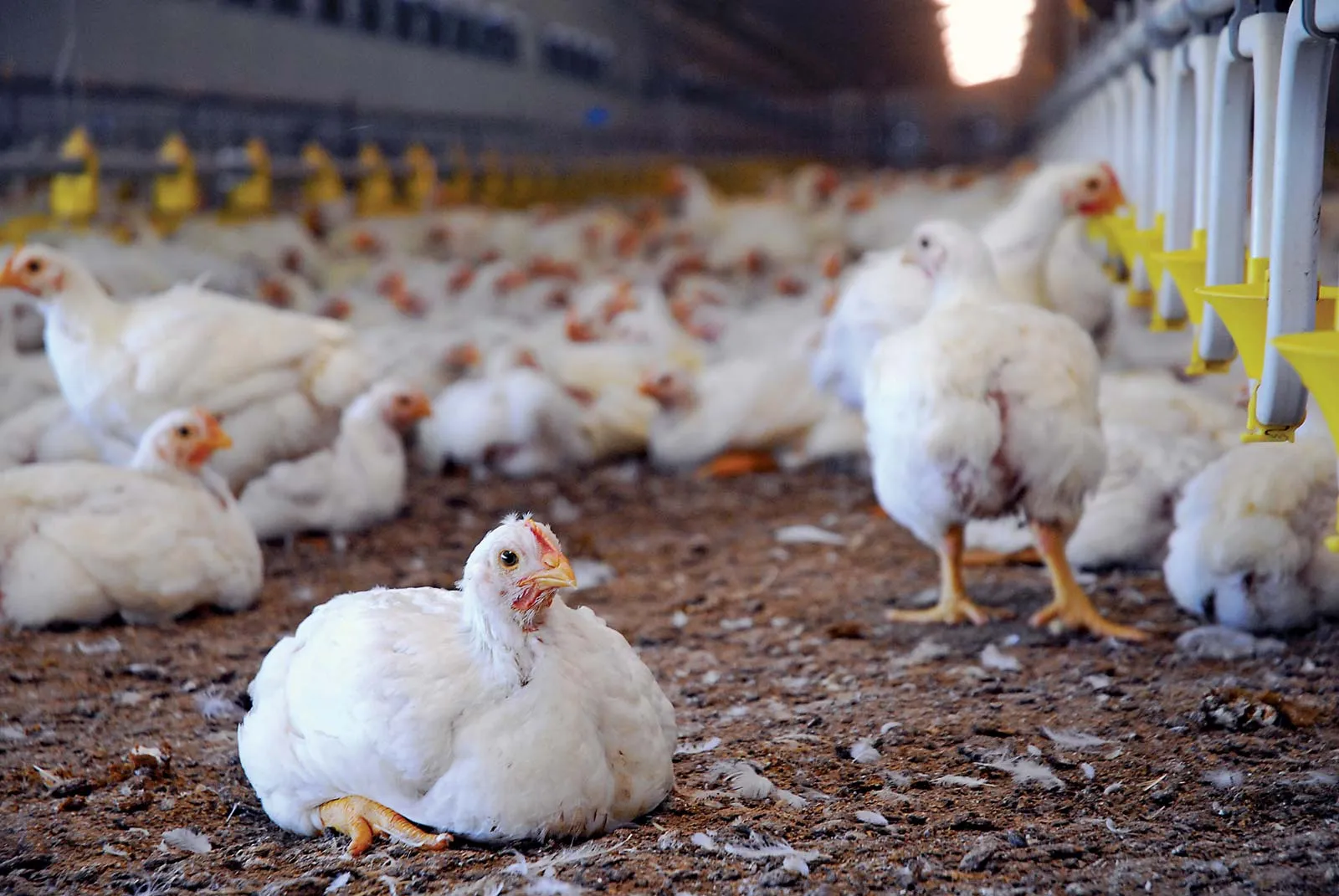
Broilers grow rapidly and require balanced nutrition to support muscle development, skeletal strength, and efficient feed utilization. Their vitamin supply should match the starter, grower, and finisher feeding phases. Inadequate vitamin D3, for example, can compromise normal bone development.
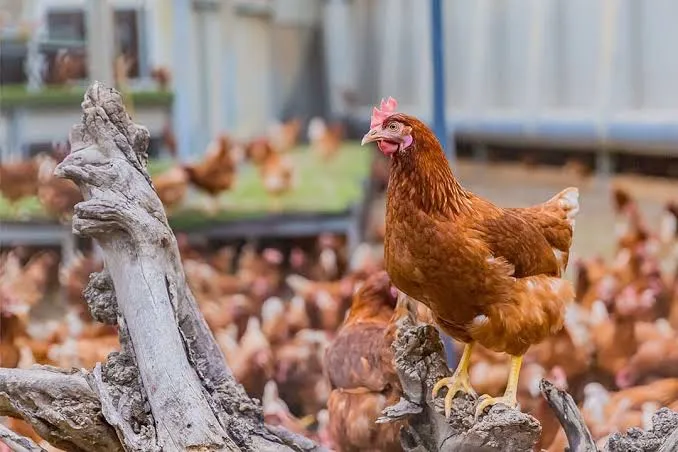
Laying hens need a diet that supports sustained egg production and eggshell formation. Vitamin D3 contributes to calcium utilization, while vitamins A and E and the B vitamins support general health and normal physiological functions. Calcium and available phosphorus must also be properly balanced.
Breeder flocks require careful nutritional management because the condition of hens and roosters can influence fertility and hatchability. Adequate vitamin nutrition supports reproductive function and normal embryo development.
Young chicks need a complete starter diet that supports rapid early development. Their feed should provide the necessary vitamins in suitable concentrations from the beginning.
| Poultry group | Main nutritional priorities |
| Broilers | Growth, skeletal development, and feed efficiency |
| Layers | Egg production, health, and shell quality |
| Breeders | Fertility, hatchability, and reproductive health |
| Chicks | Early growth, bone development, and normal metabolism |
When planning international feed supply, Customs Clearance may be relevant to the logistics of importing feed ingredients and premixes. However, the nutritional suitability of a product must be assessed separately from its shipping and regulatory requirements.
How Much of Each Vitamin Does Poultry Need?
The amount of each vitamin poultry need depends on the bird’s species, age, production stage, feed intake, and overall diet. There is no single vitamin dosage that is appropriate for every flock. Requirements should be based on current poultry nutrition recommendations and the feeding guidelines for the relevant production system.
Vitamin concentrations in feed are commonly expressed in international units per kilogram (IU/kg) or milligrams per kilogram (mg/kg). Some vitamins use other units, so values should always be interpreted according to the specific nutrient and its form.
The following table summarizes the main vitamins and considerations for their inclusion in poultry feed.
| Vitamin | What determines its dietary requirement? |
| Vitamin A | Growth stage, health, and production purpose |
| Vitamin D3 | Skeletal development, calcium balance, and egg production |
| Vitamin E | Dietary composition, oxidative stress, and production needs |
| Vitamin K | Dietary supply and the bird’s physiological requirements |
| B vitamins | Age, metabolic demands, feed composition, and nutrient availability |
| Choline | Growth stage, liver function, and the overall feed formulation |
For practical feed formulation, farmers should check whether the complete feed already contains a vitamin premix. Adding another supplement without calculating the existing nutrient supply may lead to unnecessary or excessive intake.
If you are evaluating options to Buy Feed Vitamins for Livestock and Poultry, compare the product’s vitamin composition, concentration, recommended inclusion rate, storage requirements, and suitability for the intended birds. Follow the manufacturer’s directions and consult a poultry nutritionist when adjusting a commercial feed formula.
Accurate formulation matters more than simply increasing vitamin concentrations. A well-balanced diet should meet the birds’ requirements without creating nutritional imbalances or unnecessary supplementation costs.
What Are the Signs of Vitamin Deficiency in Poultry?
Vitamin deficiencies can affect poultry in several ways, including poor growth, abnormal skeletal development, reduced egg production, and changes in behavior or physical condition. The signs depend on which vitamin is lacking, how severe the deficiency is, and how long the birds have received an inadequate diet.
Recognizing these changes early can help farmers investigate nutritional problems before flock performance deteriorates further. However, visible symptoms alone cannot confirm a specific vitamin deficiency because infectious diseases, mineral imbalances, poor feed quality, and other health conditions may produce similar signs.
Common deficiency indicators include:
- Vitamin A deficiency: Poor growth, eye abnormalities, and changes affecting the lining of the respiratory and digestive tracts.
- Vitamin D3 deficiency: Weak bones, impaired skeletal development, and poor eggshell quality.
- Vitamin E deficiency: Neurological or muscular problems, depending on the affected birds and the severity of the deficiency.
- Vitamin K deficiency: Increased susceptibility to abnormal bleeding.
- B vitamin deficiencies: Poor growth, reduced appetite, abnormal feathering, weakness, or neurological signs. Riboflavin deficiency, for example, can cause characteristic leg and nerve abnormalities in chicks.
When these signs appear, review the feed formulation, premix inclusion rate, storage conditions, and actual feed intake. Check whether the feed is appropriate for the birds’ age and production stage, and investigate possible contamination or deterioration if relevant.
Persistent symptoms, sudden changes in flock health, or unexplained production losses warrant veterinary assessment. Laboratory testing and a detailed dietary review may be needed to distinguish a vitamin deficiency from other causes.
The best preventive strategy is to provide a complete, properly stored feed, monitor flock performance regularly, and correct confirmed nutritional problems rather than relying on supplements without identifying the underlying cause.
What Causes Vitamin Deficiencies in Poultry Even When Feed Is Supplemented?
Adding a vitamin premix to poultry feed does not automatically guarantee that birds receive all the nutrients they need. Vitamin deficiencies can still develop when the premix is incorrectly dosed, nutrients deteriorate during storage, or birds consume less feed than expected. Understanding these factors helps farmers protect flock health and avoid unnecessary supplementation costs.
One common cause is improper feed storage. Heat, moisture, oxygen, and prolonged storage can reduce the stability of certain vitamins. Vitamin losses may also occur during feed processing, depending on the vitamin form and the conditions involved. Poor mixing can create uneven nutrient distribution, leaving some birds with an inadequate supply.
Other factors can contribute to deficiencies:
- Incorrect feed formulation: The premix may not provide suitable vitamin levels for the birds’ age or production stage.
- Reduced feed intake: Heat stress, illness, and environmental problems can decrease daily nutrient consumption.
- Poor ingredient quality: Deteriorated ingredients or mycotoxin contamination can interfere with normal nutrition and bird health.
- Nutrient interactions: Some dietary components can affect nutrient availability or increase nutritional demands.
- Inappropriate supplementation: Adding a product at the wrong rate may fail to correct the original problem.
Farmers should also remember that deficiency symptoms can resemble signs of infection or mineral imbalance. Before increasing supplementation, review the feed formula, storage conditions, and actual intake. If problems continue, a poultry nutritionist or veterinarian can help identify the underlying cause and recommend appropriate corrective measures.
How Can Poultry Farmers Meet Vitamin Requirements Through Feed?
A properly formulated complete feed is generally the most reliable way to provide the vitamins poultry need. It combines vitamins with energy, protein, amino acids, minerals, and other nutrients in proportions designed for a particular production stage. The objective is to meet nutritional requirements consistently rather than relying on individual supplements to solve every feeding problem.
Start by selecting feed appropriate for the flock. Broiler starter diets, grower diets, finisher diets, layer feeds, and breeder feeds have different nutritional priorities. A formula intended for one group should not automatically be used for another.
Farmers can improve vitamin delivery by following several practical steps:
- Check the feed specification: Confirm that the vitamin profile matches the birds’ age, species, and production purpose.
- Use premixes at the recommended inclusion rate: Accurate weighing and thorough mixing help distribute vitamins evenly.
- Protect feed during storage: Keep it in a dry, cool, well-ventilated area and protect it from direct sunlight.
- Monitor feed intake: Changes in temperature, water availability, health, or housing conditions can affect daily nutrient consumption.
- Review feed quality regularly: Look for moisture damage, unusual odors, clumping, or other signs of deterioration.
Water-soluble vitamin products may have a role in specific circumstances, but they should be used according to product instructions and professional advice. They are not a substitute for correcting an unbalanced diet.
Consistent feeding practices, appropriate storage, and routine flock monitoring help ensure that the vitamins poultry need remain available throughout the production cycle.
Can Poultry Get Enough Vitamins from Natural Feed Ingredients?
Natural feed ingredients can contribute vitamins to poultry diets, but their nutritional value varies considerably. Grains, oilseeds, green plant materials, and other ingredients may supply certain vitamins or their precursors. However, their contribution depends on ingredient composition, processing, storage, and the amount included in the ration.
For example, corn and other cereal grains can contribute some vitamin E and B vitamins, while green plant materials may provide carotenoids that poultry can convert into vitamin A. The efficiency of this conversion varies, and natural ingredients should not be assumed to supply all the vitamin A a flock requires.
Natural ingredients also have limitations. Vitamin concentrations can vary between batches, and some vitamins are sensitive to processing and storage conditions. A diet based heavily on household scraps, forage, or unbalanced mixtures of grains may not provide adequate amounts of every essential vitamin.
When evaluating natural ingredients, consider the following:
- Nutrient composition: Check the contribution of each ingredient to the complete diet.
- Ingredient consistency: Seasonal and batch-to-batch variation can affect nutrient levels.
- Bird requirements: Chicks, broilers, layers, and breeders have different nutritional needs.
- Feed balance: Vitamins must be considered alongside protein, energy, minerals, and amino acids.
For commercial production, natural ingredients are best used as components of a properly balanced ration. A complete feed or a professionally formulated homemade diet offers a more dependable way to meet the vitamins poultry need than relying on natural ingredients alone.
How to Build a Practical Vitamin Nutrition Plan for Your Poultry Flock
An effective vitamin nutrition plan begins with understanding the flock rather than purchasing supplements at random. The vitamins poultry need depend on species, age, production purpose, feed intake, and the overall composition of the diet. A practical plan should account for these factors and include regular checks to ensure that the feeding program remains suitable as birds develop.
Follow these steps to establish a consistent approach.
- Identify the flock’s nutritional requirements.
Determine whether the birds are broilers, laying hens, breeders, or young chicks. Select feeding recommendations appropriate for their production stage and strain.
- Review the existing feed formulation.
Check the guaranteed analysis, vitamin premix specifications, recommended inclusion rate, and any available information about nutrient stability. Avoid adding supplements before confirming what the existing feed provides.
- Monitor actual feed intake.
Record daily feed consumption and investigate significant changes. Birds that eat less may receive fewer vitamins, even when the feed’s vitamin concentration is adequate.
- Maintain proper storage and handling.
Protect feed and premixes from excessive heat, moisture, and prolonged storage. Follow the manufacturer’s storage instructions and stock rotation recommendations.
- Track flock performance.
Monitor body weight, growth rate, egg production, shell quality, feather condition, and general health. Changes may indicate nutritional problems, although they are not proof of a vitamin deficiency.
- Review problems with a qualified professional.
If deficiency or toxicity is suspected, seek veterinary or poultry nutrition advice. Adjust the diet based on the findings rather than increasing several supplements at once.
A consistent, evidence-based plan helps maintain bird health, reduce avoidable feed waste, and support reliable production.
Conclusion: Meeting Poultry Vitamin Requirements for Better Flock Performance
Providing the right vitamins is a fundamental part of maintaining healthy poultry and achieving consistent farm performance. From supporting immune function and bone development to improving reproductive health and maintaining egg production, each vitamin has a specific role in the bird’s body. The vitamins poultry need must therefore be supplied in appropriate amounts and in a form that birds can use effectively.
The most reliable approach is to begin with a complete feed formulated for the correct species, age, and production stage. Broilers, laying hens, breeder birds, and young chicks have different nutritional priorities, so their vitamin requirements should not be treated as identical. Feed quality, storage conditions, daily feed intake, and environmental stress can also influence the amount of vitamins birds receive.
Farmers should monitor flock growth, behavior, feather condition, egg production, and other performance indicators to identify potential nutritional problems early. However, visible symptoms alone cannot confirm a vitamin deficiency because other nutritional imbalances and diseases may cause similar signs. When problems persist, reviewing the diet with a poultry nutritionist or veterinarian is a sensible next step.
Additional vitamin supplements may be useful in specific circumstances, but routine over-supplementation is not a substitute for balanced feed. By understanding vitamin requirements, maintaining proper feeding practices, and addressing deficiencies promptly, poultry farmers can support bird health, productivity, and long-term flock performance.
FAQ
- What vitamins do poultry need every day?
Poultry need vitamins A, D, E, and K, along with essential B vitamins. The required amounts depend on age, species, production stage, feed intake, and the composition of the diet.
- Can poultry get all their vitamins from regular feed?
Yes, a properly formulated complete feed can provide the required vitamins when consumed in adequate quantities and stored correctly. Additional supplementation is not always necessary.
- What causes vitamin deficiencies in chickens?
Common causes include inadequate feed formulation, poor premix mixing, vitamin degradation during storage or processing, reduced feed intake, and problems affecting nutrient availability.
- Which vitamins are important for laying hens?
Vitamins D3, A, and E, along with the B vitamins and vitamin K, contribute to normal health and production. Vitamin D3 is particularly important for calcium utilization and eggshell formation, although calcium and phosphorus balance is also essential.
- Can too many vitamins harm poultry?
Yes. Excessive supplementation can cause nutritional imbalances or toxicity, particularly when several fortified products are combined. Follow appropriate formulation guidelines and avoid unnecessary high-dose supplementation.
- Do chicks need different vitamins from adult chickens?
Their requirements and dietary concentrations can differ because chicks are growing rapidly and developing their skeletal, nervous, and immune systems. They should receive a complete starter feed formulated for their age and production purpose.
- How can farmers tell if poultry have a vitamin deficiency?
Possible signs include poor growth, abnormal feathering, skeletal problems, weakness, reduced egg production, and certain neurological abnormalities. These symptoms can have other causes, so veterinary assessment and a dietary review may be necessary.