Choosing the right feed vitamins starts with understanding your animals’ nutritional requirements, comparing product specifications, and evaluating the actual cost of supplementation. Vitamins play an essential role in growth, reproduction, immunity, bone development, and overall productivity. However, the most expensive product is not always the best choice, and a lower purchase price does not necessarily mean better value.
When you buy feed vitamins for livestock and poultry, consider the vitamin type, active ingredient concentration, chemical form, stability, and intended application. Vitamin A, D3, E, K, and B-complex vitamins serve different functions, so their inclusion rates and suitability depend on the animal species, age, production stage, and existing diet. Product quality also matters, particularly when vitamins are incorporated into premixes or exposed to heat during feed processing.
Before placing an order, review the technical data sheet, request a certificate of analysis, and compare prices based on active vitamin content rather than kilograms alone. Storage requirements, shelf life, packaging, and delivery conditions can also affect the final cost. Read on to learn how to compare feed vitamin specifications, assess prices, and select suitable products for your livestock or poultry operation.
Types of Feed Vitamins Available for Livestock and Poultry
Selecting the right vitamin supplement starts with identifying the nutritional needs of the animals and the composition of their existing feed. For businesses looking to buy feed vitamins for livestock and poultry, understanding the differences between vitamin types helps prevent unnecessary supplementation and supports more accurate feed formulation. Pishva Holding can be included as a commercial resource for buyers exploring feed ingredient sourcing and supply options.
Feed vitamins generally fall into two main groups:
- Fat-soluble vitamins: Vitamins A, D3, E, and K. Vitamin A supports vision, epithelial tissue integrity, and immune function. Vitamin D3 regulates calcium and phosphorus metabolism and contributes to normal bone development. Vitamin E acts as an antioxidant, while vitamin K supports normal blood clotting.
- Water-soluble vitamins: These include the B-complex vitamins, such as thiamine (B1), riboflavin (B2), niacin (B3), pantothenic acid (B5), pyridoxine (B6), biotin (B7), folate (B9), cobalamin (B12), and choline, which is often considered alongside this group in feed formulation. Vitamin C may also be used in certain animal diets, particularly when specific production or environmental conditions justify supplementation.
Feed manufacturers can purchase individual vitamins or complete vitamin premixes. Single vitamins are useful when a formulation requires a targeted adjustment, whereas premixes provide several nutrients in defined proportions. The appropriate choice depends on species, age, production stage, basal diet, and the stability of the ingredients during processing. Always check the declared potency and intended application before selecting a product.
Feed Vitamin Specifications: What Buyers Need to Know
A feed vitamin’s label tells buyers more than its name. Before placing an order, check the active ingredient concentration, chemical form, physical characteristics, and stability data to determine whether the product suits the intended feed formulation. For companies using Specialized Import Services, obtaining complete technical documentation before shipment can also help clarify product identity, specifications, and import requirements.
The most important specifications to compare include:
| Specification | What to check | Why it matters |
| Active ingredient | Exact vitamin and chemical form | Confirms product identity |
| Potency | IU/g, IU/kg, mg/kg, or percentage | Determines the amount needed in the formula |
| Physical form | Powder, granules, beadlets, or liquid | Affects handling and mixing |
| Stability | Sensitivity to heat, moisture, oxygen, and light | Helps estimate vitamin retention |
| Shelf life | Expiry date and recommended storage period | Reduces the risk of potency loss |
| Quality documentation | Certificate of analysis (CoA) and technical data sheet | Supports batch verification and quality control |
When comparing products, pay close attention to measurement units and active ingredient concentrations. If you plan to Buy Feed Vitamins for Livestock and Poultry, remember that two products containing the same vitamin may differ significantly in potency. A higher-concentration product may require a lower inclusion rate, but the best option ultimately depends on the cost per unit of active vitamin and its suitability for your feed formulation.
Vitamin stability also deserves careful consideration. Kansas State University explains that heat, moisture, oxygen, light, and interactions with other premix ingredients can reduce vitamin potency. Read the vitamin stability guidance. Buyers should therefore verify processing suitability and storage instructions rather than relying on the stated concentration alone.
Feed Vitamin Prices: What Determines the Cost?
Feed vitamin prices vary according to the vitamin type, concentration, chemical form, manufacturing process, order volume, and delivery destination. Buyers comparing offers should evaluate the cost of supplying the required nutrient rather than choosing the product with the lowest price per kilogram. Import-related expenses, including freight, insurance, duties, and Customs Clearance, may also affect the final landed cost.
Several factors influence the purchase price:
- Vitamin type and potency: Different vitamins have different production costs and commercial specifications. Concentrated preparations may cost more per kilogram but require smaller inclusion rates.
- Product formulation: Stabilized forms and specialized beadlet technologies may offer better protection during storage or feed processing, depending on the product.
- Order quantity: Bulk orders may reduce the unit price, although minimum order quantities and storage capacity should be considered.
- Packaging and transport: Moisture-resistant packaging, shipping distance, and handling requirements can affect total procurement costs.
- Supplier terms: Payment conditions, delivery schedules, and documentation requirements can influence the overall purchasing decision.
When comparing suppliers to Buy Feed Vitamins for Livestock and Poultry, use the same currency, quotation date, delivery terms, and product specifications to ensure a fair comparison. This allows buyers to calculate the cost per unit of active vitamin and estimate the supplementation cost per metric ton of finished feed, making it easier to identify the most cost-effective option.
For example, if a vitamin preparation costs $20 per kilogram and the formulation requires 100 grams per metric ton of feed, the vitamin ingredient costs $2 per metric ton, excluding other expenses. This is a mathematical illustration, not a current market quotation.
Because prices change with market conditions and destination, request current quotations directly from suppliers. Also confirm that the declared potency, shelf life, and batch documentation meet your requirements before comparing offers solely on cost.
Livestock Feed Vitamins: Requirements for Different Animal Species
Vitamin requirements differ among cattle, sheep, goats, and pigs because their digestive systems, diets, and production goals are not the same. When buyers select vitamins for livestock feed, they should consider the animal’s age, physiological condition, forage quality, and production stage before deciding which supplements to purchase.
Cattle: Beef and dairy cattle need adequate vitamins A, D, and E to support normal growth, bone development, and overall health. Animals consuming stored forage or low-quality hay may require additional vitamin A because beta-carotene, its precursor, can decline during storage. Vitamin D supports calcium metabolism and bone development, while vitamin E contributes to antioxidant protection. Rumen microorganisms can produce several B vitamins, so supplementation depends on the animal’s diet and physiological needs. When you Buy Feed Vitamins for Livestock and Poultry, consider forage quality, production stage, and the existing ration to select an appropriate supplement. For further guidance, consult the Merck Veterinary Manual’s beef cattle nutrition recommendations.
Sheep and goats: Pasture quality, sunlight exposure, pregnancy, and lactation can influence vitamin requirements. Sheep may obtain substantial vitamin A precursors from green forage, while vitamin D supplementation may become more relevant when animals receive limited sunlight. Goats also require adequate vitamins A, D, and E, with requirements influenced by body weight and production stage. Merck Veterinary Manual: Goat nutrition.
Pigs: Commercial pig diets commonly include a vitamin premix formulated for growth, reproduction, and health. Requirements change between nursery, growing, finishing, and breeding stages, so one formulation should not automatically be used for every group. Merck Veterinary Manual: Pig nutrition.
Before buying, compare the existing ration with species-specific nutritional guidance. A qualified animal nutritionist can determine whether supplementation is necessary and establish appropriate inclusion rates without creating nutritional imbalances.
Poultry Feed Vitamins: Choosing the Right Product for Each Production Stage
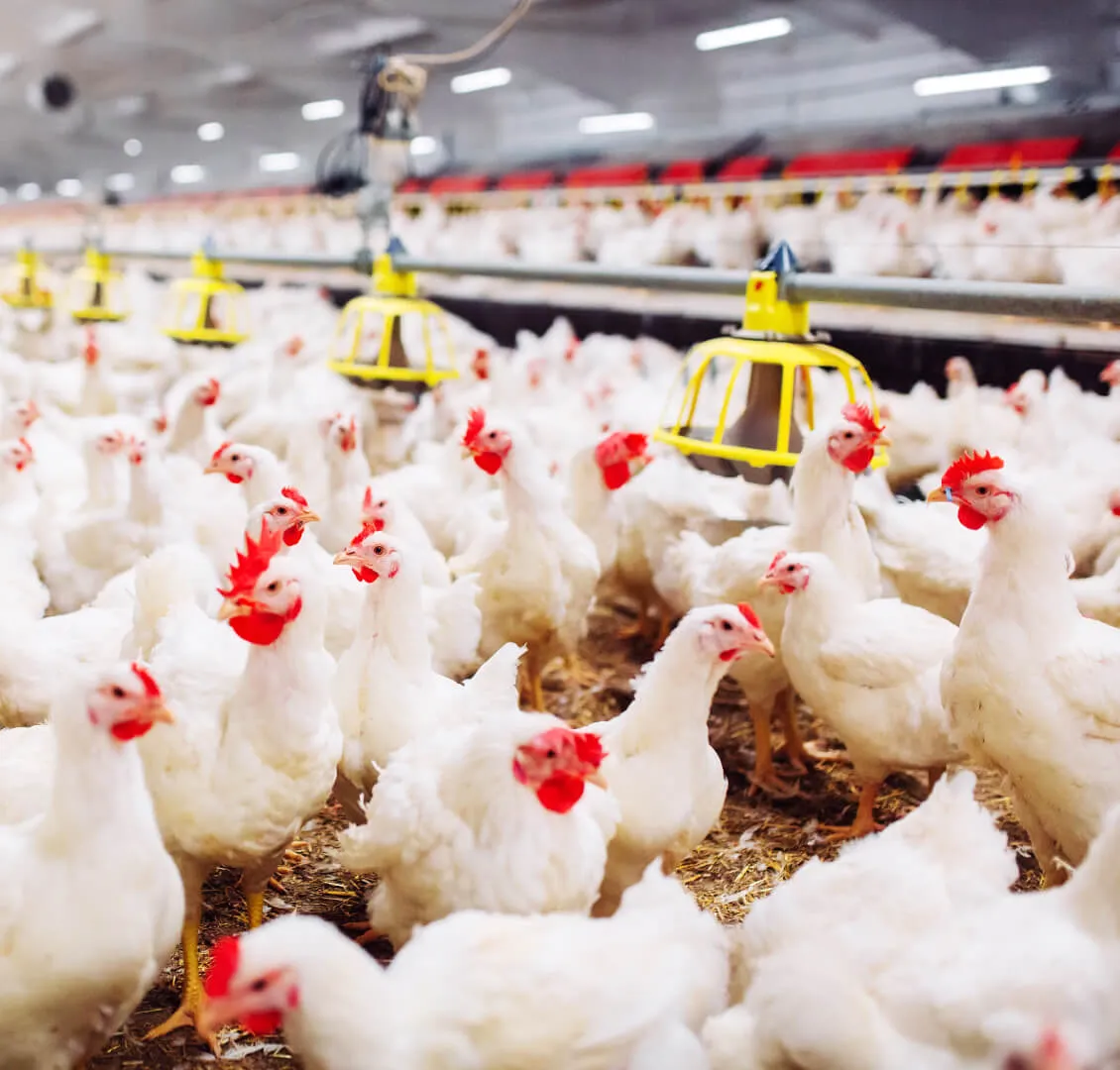
Poultry vitamin requirements change as birds grow, develop, and enter production. When businesses buy feed vitamins for livestock and poultry, they should select products according to the bird’s age, purpose, feed composition, and expected performance rather than using the same vitamin formulation throughout the production cycle. Broilers, laying hens, and breeder flocks have different nutritional priorities.
Broilers: Starter diets support early development, while grower and finisher diets must meet the needs of rapidly growing birds. Vitamins A, D3, E, and the B-complex vitamins contribute to normal growth, bone development, metabolism, and physiological function. The premix should match the nutritional specifications of each feed phase.
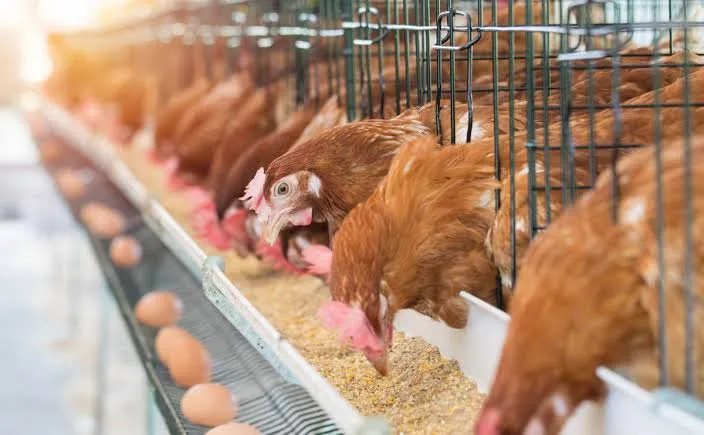
Laying hens: Vitamin D3 is important for calcium metabolism and eggshell formation. Vitamins A and E also support normal physiological functions and reproductive performance. The complete diet must provide adequate vitamins alongside calcium, available phosphorus, and other essential nutrients.
Breeder flocks: Vitamin supply is particularly important for reproductive performance, egg quality, embryo development, and hatchability. Formulations should follow the breeder’s nutritional recommendations and account for the birds’ production stage.
When comparing poultry vitamin products, review the declared potency, inclusion rate, stability during pelleting, and compatibility with the existing feed formula. Avoid assuming that higher vitamin concentrations automatically improve performance.
For commercial operations, a phase-specific vitamin premix can simplify formulation and reduce unnecessary supplementation. The final selection should be based on established poultry nutrient requirements, ingredient quality, and the nutritional contribution of the complete diet. The Merck Veterinary Manual provides additional guidance on vitamin deficiencies and their effects in poultry.
How to Choose the Right Feed Vitamin Premix
A well-formulated vitamin premix should supply the nutrients required by the target animals without creating unnecessary overlap with other feed ingredients. Before you buy feed vitamins for livestock and poultry, review the complete ration and identify which vitamins are already supplied by grains, oilseed meals, forage, and existing supplements.
Use the following criteria when comparing premixes:
- Animal species and production stage: Select a formulation designed for broilers, layers, breeders, dairy cattle, pigs, or other relevant groups.
- Vitamin concentration: Check the amount of each vitamin per kilogram of premix and the manufacturer’s recommended inclusion rate.
- Processing compatibility: For pelleted or heat-treated feeds, ask for stability information under the actual processing conditions.
- Ingredient compatibility: Check whether the premix is intended to be combined with specific mineral blends, enzymes, or other additives.
- Quality assurance: Request a certificate of analysis, batch identification, and clear storage instructions.
The inclusion rate deserves particular attention. Some premixes are designed for incorporation at a few kilograms per metric ton, while concentrated products may require much lower quantities. Never assume that two products with similar names can be used at the same rate.
When you Buy Feed Vitamins for Livestock and Poultry, it is important to consider the balance of essential nutrients in the complete diet. The Merck Veterinary Manual explains that poultry feed formulations should account for nutrient availability, storage conditions, and the birds’ production requirements to support optimal health and performance.
For commercial feed mills, the most suitable option is the premix that meets the nutritional specification consistently and integrates reliably into the manufacturing process. Ask a qualified animal nutritionist to review the final formula before changing products or inclusion rates.
How to Calculate Feed Vitamin Dosage and Cost
Calculating vitamin dosage accurately helps feed manufacturers control ingredient costs and avoid formulation errors. The first step is to confirm the vitamin concentration, the required amount in the finished feed, and the manufacturer’s recommended inclusion rate. Units must match throughout the calculation, particularly when specifications use milligrams, grams, international units (IU), or percentages.
For a product with a known concentration, use this formula:
Required premix (kg) = Target vitamin amount per metric ton ÷ Vitamin amount supplied by each kilogram of premix
The two vitamin amounts must use the same units. If a premix contains several vitamins, calculate each nutrient’s contribution separately and confirm that the complete formulation meets all specifications.
Consider this simplified example:
- Required vitamin amount: 10 g per metric ton of feed.
- Vitamin concentration in the product: 20 g per kilogram.
- Required product quantity: 10 ÷ 20 = 0.5 kg per metric ton.
If the product costs $12 per kilogram, the vitamin ingredient costs $6 per metric ton of feed, excluding freight, handling, and other expenses. These figures are illustrative, not recommended nutritional levels or current market prices.
When comparing offers to buy feed vitamins for livestock and poultry, calculate both the cost per unit of active vitamin and the cost per metric ton of finished feed. Also account for processing losses where reliable stability data are available. Do not automatically increase the inclusion rate to compensate for potential losses; use validated retention data and professional formulation guidance.
Finally, check calculations independently before production. Small errors in units or decimal placement can significantly change the amount of vitamin added to a batch.
How to Evaluate Feed Vitamin Suppliers Before Buying
A reliable supplier should provide consistent product quality, accurate specifications, and documentation that allows buyers to verify each shipment. Price matters, but it should be assessed alongside traceability, technical support, delivery reliability, and compliance with applicable feed regulations.
Before placing an order, request the following documents and details:
- Certificate of analysis (CoA): Check the batch number, measured potency where reported, relevant quality parameters, and test date.
- Technical data sheet: Confirm the vitamin form, concentration, intended application, inclusion rate, and storage requirements.
- Safety data sheet: Review handling precautions and relevant safety information where applicable.
- Manufacturer and origin details: Verify the manufacturer’s identity, product origin, and batch traceability.
- Commercial terms: Confirm minimum order quantity, packaging, payment terms, delivery time, and responsibility for transport costs.
It is also worth asking whether the product has been tested for stability under the conditions expected at your feed mill. A certificate showing the vitamin’s potency at manufacture does not necessarily establish how much will remain after prolonged storage or pelleting.
When planning to buy feed vitamins for livestock and poultry in bulk, compare quotations using identical specifications and delivery terms. A lower ex-works price may not represent the lowest landed cost once freight, insurance, duties, and local handling charges are included.
Check that the supplier can provide the required documents for your destination market before payment or shipment. For recurring purchases, evaluate previous batch consistency and delivery performance, and establish a process for handling damaged packaging or products that fail agreed specifications. These measures make procurement decisions more transparent and reduce avoidable quality risks.
How to Store Feed Vitamins and Maintain Their Potency
Proper storage is essential when you Buy Feed Vitamins for Livestock and Poultry, as vitamin potency can decline over time when products are exposed to heat, moisture, oxygen, or light. The rate of degradation varies according to the vitamin type, chemical form, formulation, packaging, and storage conditions. To maintain product quality and nutritional effectiveness, follow the manufacturer’s storage instructions and check the recommended shelf life rather than applying the same storage requirements to every vitamin product.
For feed mills and livestock operations, these practices help protect product quality:
- Control temperature: Store products within the temperature range specified on the label. Avoid excessive heat and temperature fluctuations.
- Keep moisture out: Store vitamins in a dry area and reseal opened packages immediately.
- Protect against light and oxygen: Keep products in their original packaging unless the manufacturer specifies an approved alternative.
- Use stock rotation: Apply the first-expired, first-out (FEFO) principle to reduce the risk of keeping products beyond their recommended shelf life.
- Prevent contamination: Keep packages away from chemicals, pests, water, and incompatible materials.
Vitamin premixes also require attention after incorporation into finished feed. Merck Veterinary Manual identifies time, temperature, and humidity as factors affecting vitamin destruction in feed.
For this reason, check the shelf life of both the premix and the finished feed. Do not assume that a product remains fully potent until its expiry date if it has been stored outside the recommended conditions. Likewise, avoid using expired products without appropriate assessment and authorization from the manufacturer or a qualified professional.
When purchasing in bulk, estimate how quickly the stock will be consumed before ordering. Buying more than the operation can use within the specified shelf life may increase waste and reduce the financial benefit of bulk pricing. Good inventory control, intact packaging, and documented storage conditions help preserve quality from delivery to feed production.
Common Mistakes to Avoid When Buying Feed Vitamins
Choosing the right product when you Buy Feed Vitamins for Livestock and Poultry involves more than comparing product names and prices. Errors in product selection, dosage calculations, or feed formulation can result in inconsistent nutrient delivery, unnecessary expenses, or vitamin deficiencies in the finished feed. Evaluating product specifications, animal requirements, and supplier documentation helps buyers make informed purchasing decisions and maintain feed quality.
- Comparing prices without checking potency
Two products sold as the same vitamin may contain different concentrations or chemical forms. Compare the price per unit of active vitamin and confirm that the products are suitable for the same application.
- Using one premix for every animal
Poultry, pigs, cattle, sheep, and goats have different nutritional requirements. Even within one species, growing animals and breeding animals may need different formulations. Select products according to the target animal and production stage.
- Ignoring processing and storage losses
Heat, humidity, oxygen, and prolonged storage can affect vitamin stability. Ask suppliers for relevant stability data and select a formulation appropriate for the manufacturing process.
- Overlooking the existing diet
Adding a vitamin supplement without reviewing the basal ration and other premixes can result in excessive supplementation or unnecessary expenditure. Assess the contribution of all relevant ingredients before changing the formula.
- Accepting incomplete documentation
Missing batch details, unclear specifications, and the absence of a certificate of analysis make quality verification more difficult. Obtain the necessary documentation before committing to a large order.
- Ordering more than the operation can use
Bulk purchasing can lower the unit price, but excessive inventory increases the risk of expiry and potency loss.
When you buy feed vitamins for livestock and poultry, use a consistent checklist covering nutritional suitability, concentration, stability, documentation, landed cost, and shelf life. This approach helps balance feed quality with purchasing efficiency.
Conclusion: How to Buy Feed Vitamins with Confidence
The right feed vitamin purchase balances nutritional requirements, verified product quality, and long-term cost efficiency. Instead of choosing a product based solely on its price or advertised benefits, evaluate how well it fits your feed formulation and production objectives. A suitable vitamin source should provide the required nutrient concentration, remain stable under expected storage and processing conditions, and come with reliable technical documentation.
When comparing options to buy feed vitamins for livestock and poultry, start by identifying the specific vitamins your animals need. Consider differences between poultry, cattle, sheep, goats, and pigs, as well as variations between growing animals, breeding stock, and animals in production. These differences influence both the type of supplement and the appropriate inclusion rate.
Next, compare suppliers using consistent criteria. Check active ingredient concentration, product form, batch traceability, manufacturing standards, shelf life, and delivery terms. Calculate the cost per unit of active vitamin and the estimated cost per metric ton of finished feed to make meaningful price comparisons. For larger orders, also consider minimum order quantities, packaging options, and the supplier’s ability to maintain consistent quality.
Finally, when you Buy Feed Vitamins for Livestock and Poultry, ensure that the selected products comply with applicable feed regulations and meet the nutritional requirements of your animals. Consult a qualified animal nutritionist before adjusting vitamin levels, especially when multiple supplements are already included in the diet. Combining careful nutritional planning with thorough supplier evaluation helps control feed costs, maintain product quality, and support the health and productivity of livestock and poultry.
FAQ
- Which vitamins are most important for livestock and poultry?
Vitamins A, D, and E are important for many livestock and poultry diets. Vitamin K and B-complex vitamins also support essential physiological processes. The required amounts depend on the species, age, diet, and production stage. Merck Veterinary Manual’s poultry nutrition guidance provides further information.
- How much do feed vitamins cost per kilogram?
Prices depend on the vitamin type, concentration, chemical form, order quantity, and delivery destination. Request current quotations from suppliers and compare the cost per unit of active vitamin rather than relying exclusively on the price per kilogram.
- Can livestock and poultry use the same vitamin premix?
Not necessarily. Different species have different nutritional requirements, and a premix formulated for poultry may not meet the needs of cattle, sheep, goats, or pigs. Always verify the product’s intended application and inclusion rate.
- How can buyers check feed vitamin quality?
Request a certificate of analysis, technical data sheet, batch identification, and information about shelf life and storage. Confirm that the product meets the relevant feed-grade requirements in the destination market.
- How should feed vitamins be stored?
Most products should be kept in their original packaging under the manufacturer’s recommended conditions, protected from excessive heat, moisture, and light. Always check the label for product-specific instructions.
- What should buyers compare before placing a bulk order?
Compare vitamin potency, chemical form, price, minimum order quantity, shelf life, documentation, delivery costs, and supplier reliability. These factors help establish the product’s actual value for the intended feed formulation.