Choosing the right phosphate source can directly impact animal growth, feed efficiency, and production profitability. In modern feed formulation, the debate around MCP vs DCP has become increasingly important, especially in poultry and aquaculture nutrition. Both Monocalcium Phosphate (MCP) and Dicalcium Phosphate (DCP) are widely used as essential sources of phosphorus and calcium, two minerals that play a critical role in skeletal development, metabolic activity, and overall animal performance.
However, despite serving similar nutritional purposes, these phosphate sources differ significantly in phosphorus availability, digestibility, calcium ratio, and cost-effectiveness. These differences can influence feed conversion ratio (FCR), bone strength, growth rate, and even environmental phosphorus discharge. For feed manufacturers and livestock producers, understanding the practical implications of MCP vs DCP is essential for making cost-efficient and performance-driven decisions.
In this article, we will break down the key differences between these two phosphate sources and help you determine which option best fits your feed formulation goals.
Why Phosphorus Source Selection Matters in Poultry and Aquaculture Feed
In modern feed production, selecting the right phosphorus source is far more important than many producers initially assume. Companies such as Pishva Holding understand that mineral formulation directly affects animal growth, skeletal development, feed efficiency, and long-term production costs. In poultry and aquaculture, phosphorus is one of the most critical minerals because it supports bone mineralization, cellular metabolism, and energy transfer through ATP synthesis.
When evaluating MCP vs DCP, the decision should not be based solely on price. The source of phosphorus determines how much of the mineral can actually be absorbed and utilized by the animal. Poor phosphorus availability may result in slower growth, weaker bone structure, poor feed conversion ratio (FCR), and increased mineral waste.
Key reasons phosphorus source matters:
- Supports healthy bone and skeletal formation
- Improves growth performance
- Enhances nutrient metabolism
- Reduces mineral deficiency risks
- Helps lower phosphorus excretion
Different species also utilize phosphorus differently. Broilers require fast mineral absorption for rapid growth, while fish need highly digestible phosphorus because undigested minerals can pollute water systems. This is why comparing MCP vs DCP is essential for feed formulators seeking both biological performance and economic efficiency.
What Are the Main Chemical Differences Between MCP and DCP?
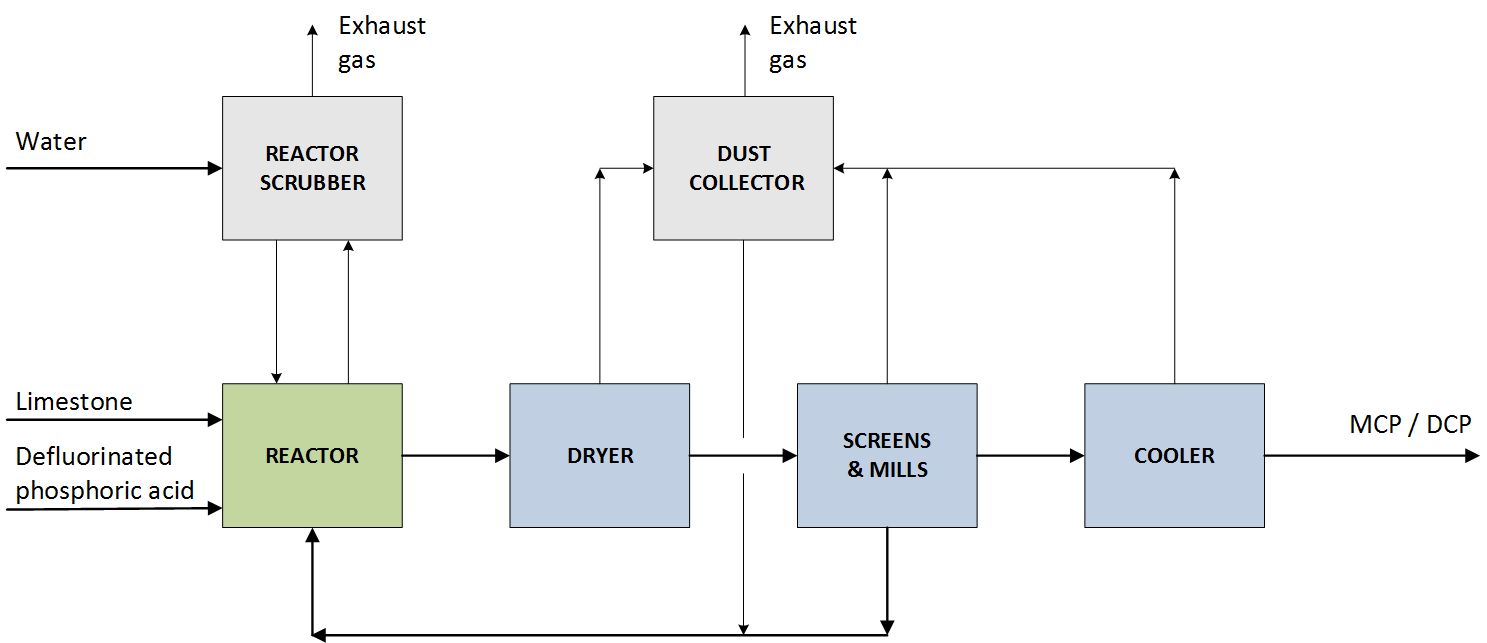
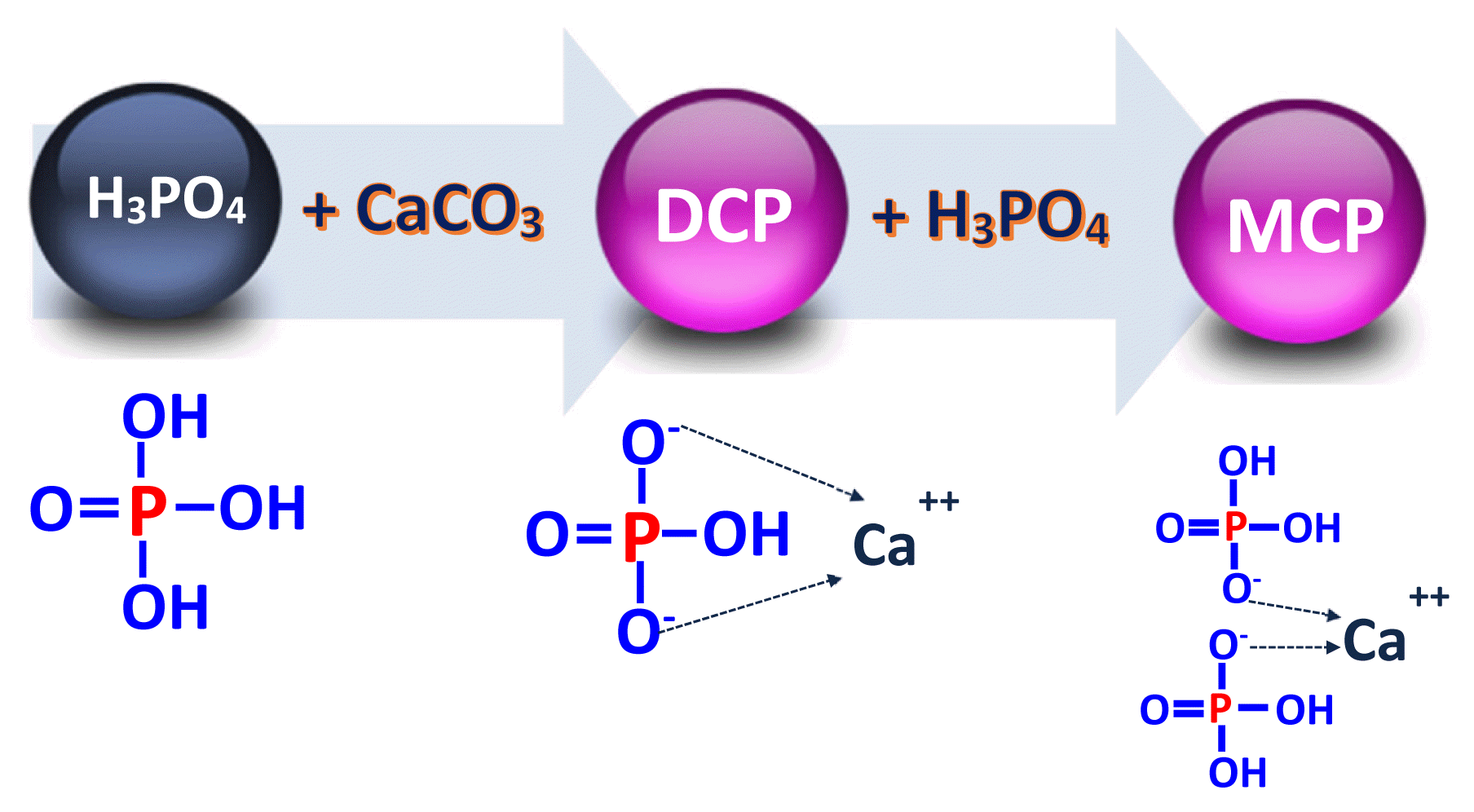
The primary difference between MCP vs DCP lies in their chemical structure and mineral concentration. Although both ingredients supply calcium and phosphorus, their ratios differ significantly, influencing digestibility and formulation strategy.
Monocalcium Phosphate (MCP) generally contains a higher percentage of available phosphorus and lower calcium concentration. Dicalcium Phosphate (DCP), in contrast, contains more calcium and slightly less digestible phosphorus. This chemical difference affects how each ingredient performs in feed.
Higher solubility gives MCP an advantage in many high-performance formulations. Better dissolution allows phosphorus to become more accessible during digestion. DCP, however, remains widely used because of its balanced mineral profile and lower cost.
In practical feed formulation, MCP vs DCP is not simply a chemical comparison. The mineral ratio influences calcium-phosphorus balance, which is crucial for maintaining healthy metabolism and maximizing nutrient absorption across poultry and aquaculture diets.
MCP vs DCP: Comparing Phosphorus Bioavailability and Absorption
Bioavailability refers to how much phosphorus an animal can absorb and use after digestion. This is one of the most important factors when comparing MCP vs DCP because total phosphorus content alone does not reflect actual nutritional value.
MCP is often preferred because it offers higher phosphorus availability. Its chemical structure makes phosphorus easier to release and absorb in the digestive tract. This can improve nutrient efficiency and reduce waste.
Factors affecting phosphorus absorption include:
- Digestive pH
- Mineral solubility
- Calcium interaction
- Feed processing conditions
- Species-specific digestion
In poultry, better phosphorus absorption supports stronger bone growth and improved body weight gain. In aquaculture, high bioavailability becomes even more important because unabsorbed phosphorus enters the water and contributes to pollution.
When assessing MCP vs DCP, feed producers increasingly focus on digestible phosphorus rather than total phosphorus. A cheaper ingredient may appear economical initially, but poor absorption can increase feed inefficiency and hidden production costs over time.
MCP vs DCP: Comparing Phosphorus Bioavailability and Absorption
Bioavailability refers to how much phosphorus an animal can absorb and use after digestion. This is one of the most important factors when comparing MCP vs DCP because total phosphorus content alone does not reflect actual nutritional value.
MCP is often preferred because it offers higher phosphorus availability. Its chemical structure makes phosphorus easier to release and absorb in the digestive tract. This can improve nutrient efficiency and reduce waste.
Factors affecting phosphorus absorption include:
- Digestive pH
- Mineral solubility
- Calcium interaction
- Feed processing conditions
- Species-specific digestion
In poultry, better phosphorus absorption supports stronger bone growth and improved body weight gain. In aquaculture, high bioavailability becomes even more important because unabsorbed phosphorus enters the water and contributes to pollution.
When assessing MCP vs DCP, feed producers increasingly focus on digestible phosphorus rather than total phosphorus. A cheaper ingredient may appear economical initially, but poor absorption can increase feed inefficiency and hidden production costs over time.
Benefits of Monocalcium Phosphate (MCP) in Poultry Feed
Monocalcium Phosphate has become a preferred mineral source in premium poultry nutrition because of its high phosphorus availability and consistent performance. In fast-growing broilers and high-producing layers, mineral efficiency can directly influence productivity.
One of the biggest advantages of MCP in the MCP vs DCP comparison is improved digestibility. Poultry can access more usable phosphorus from MCP, which supports stronger skeletal development and reduces the risk of leg disorders.
Major benefits of MCP include:
- Better phosphorus utilization
- Improved growth performance
- Stronger bone mineralization
- Reduced phosphorus excretion
- Enhanced feed efficiency
For broilers, efficient mineral absorption helps support rapid muscle and skeletal growth. In laying hens, sufficient phosphorus contributes to shell quality and long-term bone strength, especially during peak egg production.
MCP is especially valuable in:
- High-performance broiler diets
- Premium layer feed
- Precision feed formulations
- Intensive production systems
Although MCP usually costs more than DCP, its nutritional efficiency can offset the higher price. In many commercial operations, the improved biological performance makes MCP a strategic investment when maximizing production efficiency is the primary goal.

Which Phosphate Source Performs Better in Aquaculture Feed?
In aquaculture nutrition, phosphorus selection has a direct effect on fish growth, bone development, feed efficiency, and water quality. This is why the debate around MCP vs DCP is especially important for fish and shrimp feed manufacturers. Unlike poultry, aquatic species present an additional challenge: undigested minerals do not simply leave the animal—they enter the surrounding water and can contribute to pollution.
When comparing MCP vs DCP in aquaculture feed, Monocalcium Phosphate (MCP) usually performs better because of its higher phosphorus digestibility. Fish generally absorb phosphorus less efficiently than land animals, so using a highly available phosphorus source becomes critical.
Key performance factors in aquaculture include:
- Phosphorus digestibility
- Water stability of pellets
- Mineral leaching rate
- Species-specific absorption
- Feed conversion ratio (FCR)
MCP is often preferred in intensive aquaculture systems because it reduces phosphorus discharge and improves mineral utilization. DCP can still be used in cost-sensitive feed formulas, but in high-performance fish farming, MCP typically delivers better biological and environmental outcomes.
Environmental Impact of MCP and DCP in Feed Production
Environmental sustainability has become a major concern in modern feed production. The choice between MCP vs DCP influences not only animal performance but also phosphorus emissions and ecosystem health.
Excess phosphorus is one of the main contributors to eutrophication, a process where nutrient overload causes excessive algae growth in lakes, rivers, and aquaculture systems. When phosphorus is poorly absorbed, more of it is excreted into the environment.
Environmental considerations include:
- Phosphorus runoff
- Water pollution
- Algal bloom risk
- Waste management costs
- Sustainability compliance
Because MCP generally provides higher bioavailability, animals utilize more of the phosphorus they consume. This means less mineral waste enters manure or water systems. DCP, while effective, may result in higher phosphorus discharge if not carefully formulated.
In the MCP vs DCP comparison, feed producers increasingly evaluate environmental cost alongside ingredient price. Regulations in many regions now encourage precise phosphorus management to reduce ecological damage. Choosing a more digestible phosphate source can therefore support both sustainability goals and regulatory compliance.
Cost Comparison: MCP vs DCP in Commercial Feed Formulation
Cost is often the first factor feed manufacturers evaluate when selecting mineral ingredients. On the surface, Dicalcium Phosphate usually appears more economical than Monocalcium Phosphate. However, a proper MCP vs DCP analysis requires looking beyond price per ton.
The true cost of a phosphate source depends on available phosphorus, not simply raw ingredient cost. A cheaper ingredient with lower digestibility may increase hidden costs through poor feed efficiency and nutrient waste.
Important cost factors include:
- Purchase price
- Digestible phosphorus value
- Feed conversion performance
- Waste reduction
- Return on investment
In many commercial operations, MCP delivers stronger long-term value because animals absorb more usable phosphorus. This can improve growth performance and reduce supplementation requirements.
When evaluating MCP vs DCP, smart formulators calculate cost per unit of digestible phosphorus. This approach provides a more realistic economic picture and prevents short-term cost savings from creating long-term inefficiencies.
How to Choose the Right Phosphate Source for Your Feed Formula
Choosing between MCP and DCP requires balancing nutritional performance, production goals, and budget. There is no universal answer in the MCP vs DCP discussion because the right choice depends heavily on formulation priorities.
Start by evaluating species requirements. Broilers, laying hens, shrimp, and fish all differ in phosphorus digestion and mineral demands. Growth stage also matters, as younger animals often require highly digestible minerals to support rapid development.
Consider these decision factors:
- Animal species
- Growth stage
- Production intensity
- Feed budget
- Environmental regulations
- Desired feed performance
A practical selection framework:
- Define phosphorus requirement
- Calculate digestible phosphorus target
- Compare ingredient bioavailability
- Estimate total formulation cost
- Measure ROI over time
If maximum performance is the goal, MCP often becomes the preferred choice due to superior absorption. If cost control is the main priority, DCP remains a practical option for standard formulations.
In the end, the best MCP vs DCP decision comes from balancing cost, bioavailability, and production efficiency rather than focusing on ingredient price alone.
Final Verdict: Is MCP or DCP Better for Animal Nutrition?
In the end, the best phosphate source is not always the cheapest one—it is the one that delivers the highest nutritional value for your specific production goals. When comparing MCP vs DCP, there is no universal answer because the ideal choice depends on species, growth stage, feed formulation strategy, and budget.
MCP is often preferred in high-performance poultry and intensive aquaculture systems due to its higher phosphorus bioavailability and superior digestibility. Better mineral absorption can improve growth performance, support stronger bone development, and reduce phosphorus waste. On the other hand, DCP remains a practical and economical option for standard feed formulations where cost control is a primary concern.
A smart evaluation of MCP vs DCP should go beyond price per ton and focus on available phosphorus, nutrient utilization, and long-term return on investment. Even small improvements in mineral efficiency can create measurable gains in feed performance and profitability. By understanding these differences, feed producers can make more informed decisions and build formulations that support both productivity and sustainability.
FAQ
- Is MCP better than DCP for aquaculture feed?
In most intensive aquaculture systems, MCP performs better because of its higher phosphorus digestibility and lower waste output.
- Why is phosphorus digestibility important?
Better digestibility means more mineral absorption, improved growth, and less phosphorus excretion.
- Is DCP cheaper than MCP?
Yes, DCP usually has a lower purchase price, but digestibility differences should also be considered.
- Does MCP reduce environmental pollution?
Yes. Because MCP is more bioavailable, less phosphorus is wasted into water or manure systems.
- Which is better for commercial feed production?
It depends on production goals. MCP suits high-performance feed, while DCP works well for cost-sensitive formulations.