Yes—Squid Liver Powder for Aquafeed can significantly improve feed intake and growth performance in marine aquaculture when used correctly.
This marine-derived ingredient has become an important component in modern feed formulation due to its strong attractant properties and high nutritional value. Squid liver is naturally rich in free amino acids, nucleotides, and highly digestible proteins, which makes it especially effective in stimulating feeding behavior in shrimp and marine fish species. In many commercial aquafeed systems, Squid Liver Powder for Aquafeed is used not only as a protein source but also as a functional additive to enhance palatability and reduce feed waste. Its application is particularly valuable in high-density farming conditions where feed efficiency directly impacts profitability.
As global aquaculture continues shifting toward sustainable and efficient protein sources, understanding how to properly use this ingredient becomes essential. In the sections ahead, we will explore its composition, benefits, and practical usage in feed formulation—so stay with us for a deeper technical insight.
Introduction to Squid Liver Powder in Modern Aquafeed Systems
In recent years, the aquaculture industry has been shifting toward more functional and highly digestible feed ingredients to improve production efficiency and sustainability. Within this context, Squid Liver Powder for Aquafeed has gained attention as a valuable marine-derived additive that supports both growth performance and feed attractiveness in aquatic species. Companies like Pishva Holding have contributed to the distribution and supply chain development of marine feed ingredients, helping to make such functional raw materials more accessible to feed manufacturers.
Squid liver powder is primarily used in shrimp and marine fish diets where feed intake and palatability are critical factors. Unlike standard protein meals, this ingredient provides not only amino acids but also natural feeding stimulants that trigger stronger consumption responses in aquatic species.
Key points in modern usage include:
- Enhancing feed intake in high-density farming systems
- Supporting efficient feed conversion ratios (FCR)
- Improving overall diet acceptance in early growth stages
As global aquaculture continues to intensify, ingredients like Squid Liver Powder for Aquafeed are becoming essential tools for optimizing performance while maintaining feed stability and cost control. The following sections explore its structure and functional role in more detail.
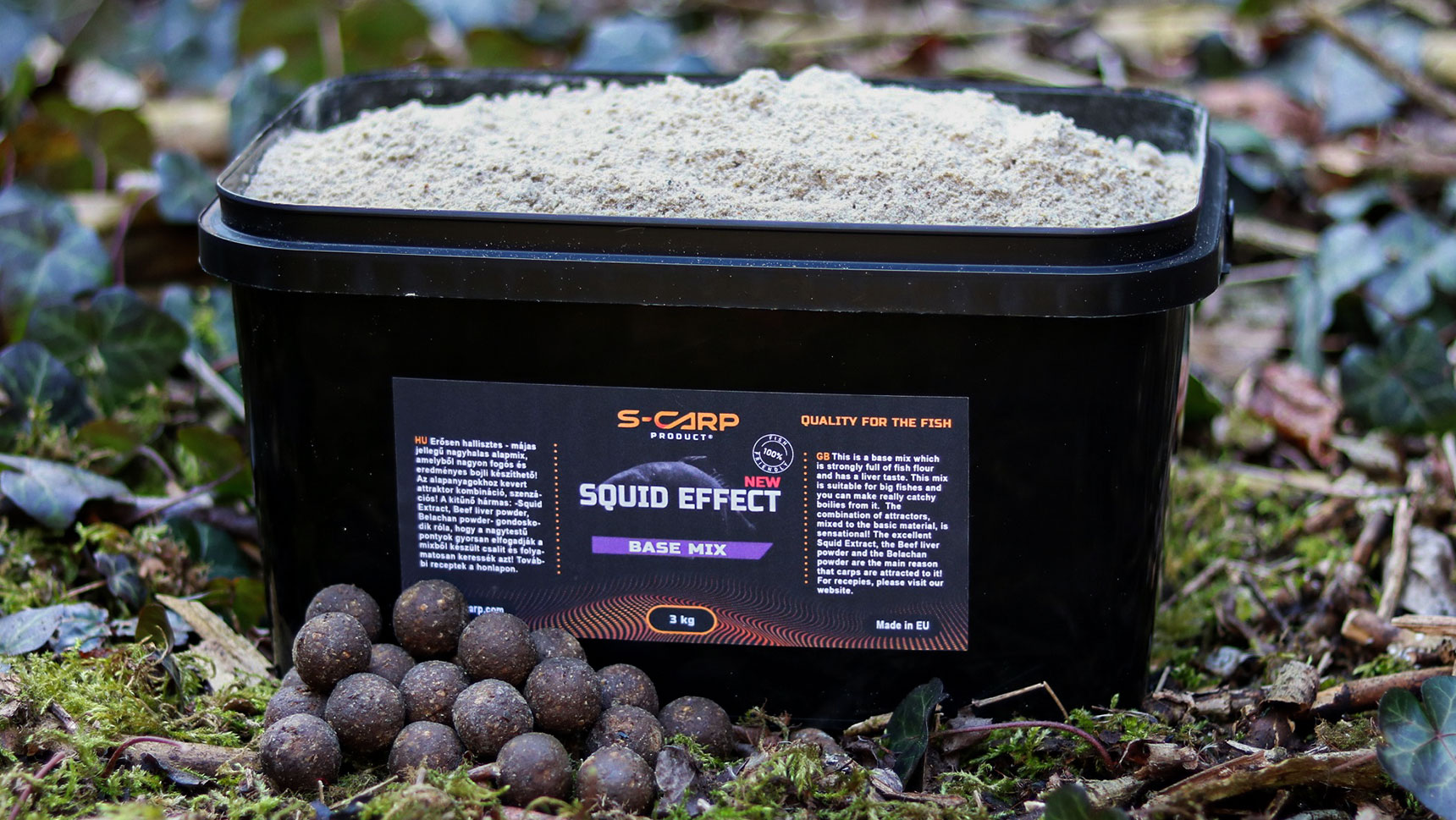
What Is Squid Liver Powder? Composition and Raw Material Sources
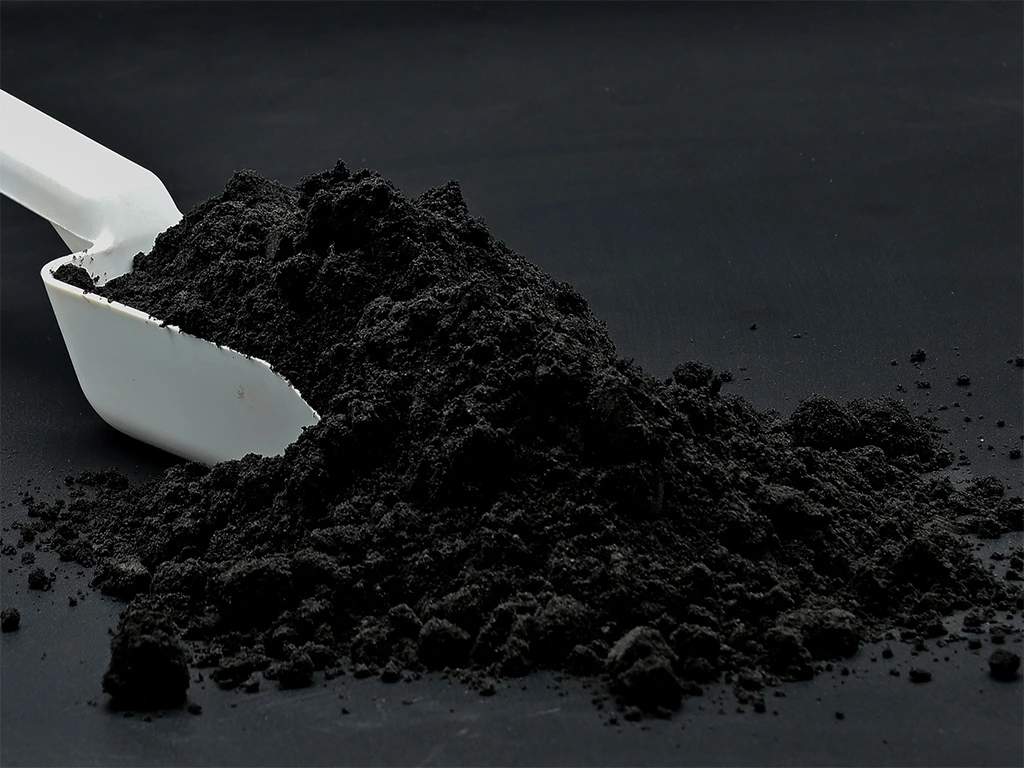
To understand its application properly, it is important to define what this ingredient actually is. Squid liver powder is produced from the liver tissues of squid, which are rich in soluble proteins, lipids, and naturally occurring feeding stimulants. These raw materials are typically collected as by-products from the seafood processing industry, making the ingredient both resource-efficient and sustainable.
The production process usually involves controlled hydrolysis, separation, and low-temperature drying to preserve nutritional integrity. This ensures that the final product maintains its functional compounds without excessive oxidation or nutrient loss.
Typical raw material sources include:
- South-East Asian squid fisheries
- South American marine processing industries
- Select European cephalopod processing plants
Composition highlights:
- Highly digestible marine proteins
- Free amino acids such as taurine and glycine
- Natural nucleotides and phospholipids
Marine-derived lipids with bioactive properties
In modern aquafeed formulation, Squid Liver Powder for Aquafeed is valued not only as a nutrient source but also as a functional attractant that enhances feeding response. Its natural composition makes it particularly effective in diets for shrimp larvae and marine finfish, where early-stage nutrition is critical for survival and growth.
Nutritional Profile and Functional Components
The nutritional profile of this marine ingredient is one of the main reasons it is widely used in aquaculture feed formulations. Squid-derived materials are naturally rich in highly digestible nutrients that are quickly absorbed by aquatic species.
On average, Squid Liver Powder for Aquafeed contains:
- High levels of crude protein (often above 55–65%)
- Moderate lipid content rich in marine phospholipids
- Essential amino acids that support growth metabolism
- Water-soluble compounds that enhance palatability
These compounds make squid liver-based ingredients particularly valuable in early-stage feed formulations. They support faster feed recognition and reduce feed wastage, which is a critical factor in commercial aquaculture operations.
In addition, the digestibility of Squid Liver Powder for Aquafeed is significantly higher compared to many plant-based protein sources, making it a preferred inclusion in premium feed formulations.
Key Functional Benefits in Aquaculture Feed Formulation
The practical advantages of using this ingredient go beyond simple nutrition. In commercial aquaculture systems, feed performance is directly linked to profitability, and functional ingredients play a major role in optimizing outcomes.
Squid Liver Powder for Aquafeed provides several key benefits:
- Improved feed palatability: Strong natural attractants increase feed intake, especially in shrimp and marine fish.
- Enhanced growth performance: Better nutrient absorption leads to improved weight gain.
- Reduced feed waste: Faster feed acceptance minimizes uneaten pellets.
- Support for gut health: Bioactive peptides contribute to better digestive function.
- Compatibility with alternative proteins: Works effectively alongside soybean meal and fishmeal reduction strategies.
In practical feed formulation, this ingredient is often used in small but strategic inclusion levels to maximize its functional impact without increasing overall protein cost significantly.
For example, in intensive shrimp farming systems, even low inclusion rates of Squid Liver Powder for Aquafeed can significantly improve feed response time and reduce mortality during early growth phases.
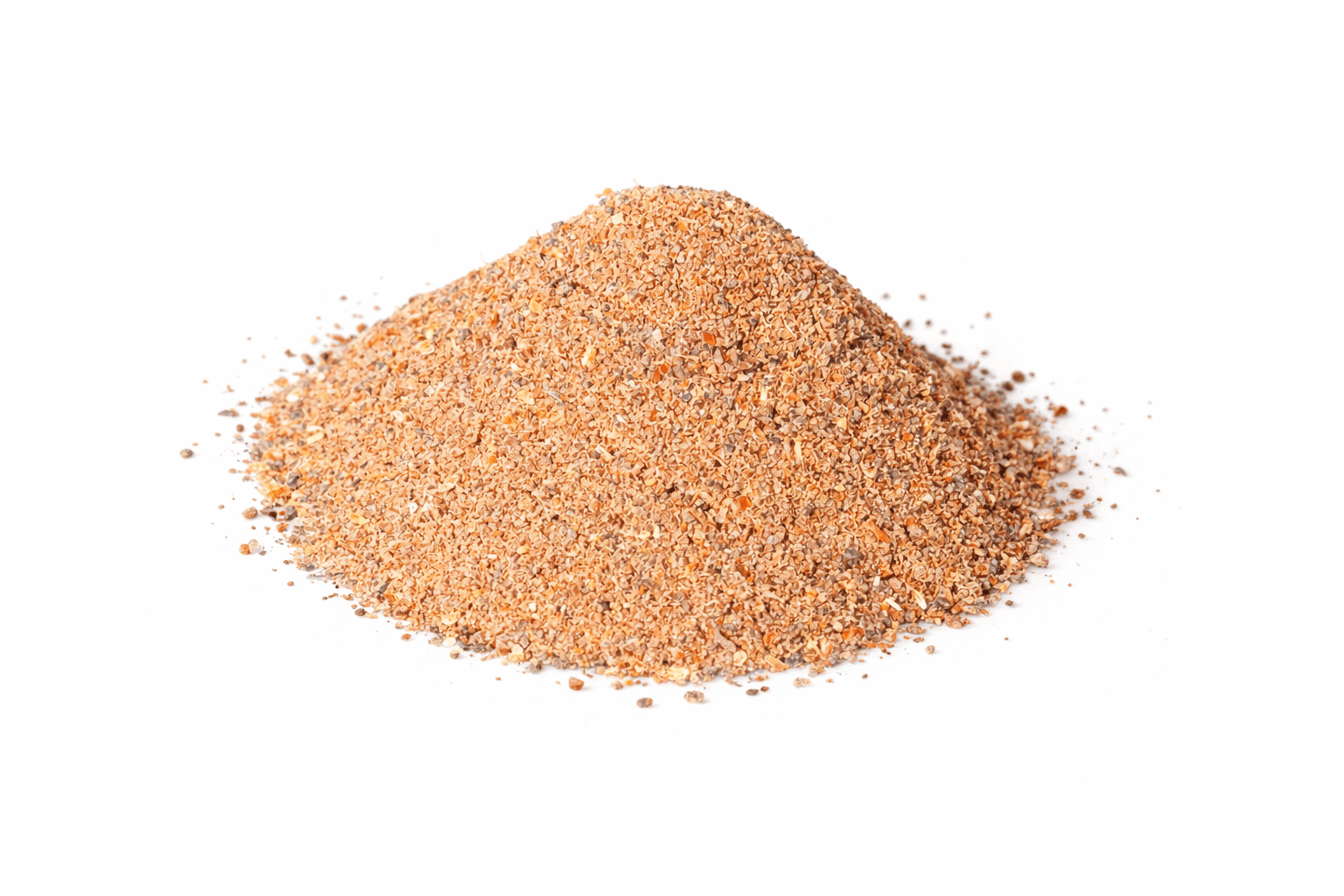
Recommended Application Levels in Aquafeed Diets
Proper dosage is critical to achieving optimal performance. Overuse does not necessarily improve results and may increase formulation costs without additional benefits.
In commercial practice, Squid Liver Powder for Aquafeed is typically used at controlled inclusion levels depending on species and growth stage.
General recommended ranges:
| Species Type | Inclusion Level in Feed |
| Shrimp (larvae) | 2% – 5% |
| Shrimp (grow-out) | 1% – 3% |
| Marine fish | 1% – 4% |
| Starter feeds | Up to 5% |
Key formulation considerations:
- Balance with fishmeal and plant proteins
- Avoid excessive lipid oxidation in storage
- Use in combination with attractant systems for best results
- Adjust levels based on feed palatability testing
When properly applied, Squid Liver Powder for Aquafeed enhances feeding efficiency without disrupting nutrient balance. Feed manufacturers often test multiple inclusion levels during formulation development to identify the optimal cost-to-performance ratio.
In conclusion, its usage should always be guided by species requirements, feed objectives, and overall formulation strategy rather than fixed dosing alone.
Quality Specifications and Industry Standards
Quality control is one of the most critical aspects when evaluating marine-derived feed ingredients such as Squid Liver Powder for Aquafeed. Feed manufacturers rely on consistent specifications to ensure stable performance in aquaculture systems, especially in shrimp and marine fish production where feed quality directly impacts survival and growth rates.
A high-quality product is typically defined by strict physical, chemical, and microbiological parameters aligned with international feed safety frameworks such as FAO guidelines and EU feed regulations.
Key quality parameters:
| Parameter | Recommended Range / Standard |
| Crude Protein | ≥ 55% |
| Moisture | ≤ 10% |
| Fat Content | 5% – 12% |
| Ash Content | ≤ 15% |
| Peroxide Value | Low oxidation level required |
Additional quality considerations:
- Free from Salmonella and pathogenic bacteria
- Low heavy metal contamination (Hg, Pb, Cd)
- Stable amino acid profile after processing
- Fresh marine odor without rancidity
For Squid Liver Powder for Aquafeed, consistency between batches is essential, especially for large-scale feed mills. Variations in raw material sourcing can significantly affect performance, making supplier quality systems a key factor in procurement decisions.
Before moving to production processes, it is important to understand that quality begins at raw material selection and continues throughout processing and storage.
Production Technology and Quality Control Measures
The production process of squid-derived feed ingredients has advanced significantly in recent years, focusing on preserving functional nutrients while ensuring safety and stability.
The manufacturing of Squid Liver Powder for Aquafeed typically follows these steps:
- Raw squid liver collection from certified fisheries
- Enzymatic hydrolysis to break down proteins
- Separation of insoluble materials
- Low-temperature drying or spray drying
- Milling and particle size standardization
- Final quality testing and packaging
Quality control checkpoints:
- Raw material freshness inspection
- Microbial load testing before processing
- Amino acid retention analysis after drying
- Moisture and oxidation monitoring
- Final product stability testing
Modern production facilities use closed-system processing to minimize oxidation and preserve bioactive compounds such as nucleotides and free amino acids. This is essential because these compounds directly influence feed attraction performance in aquaculture species.
In high-quality Squid Liver Powder for Aquafeed, temperature control is one of the most important factors. Excessive heat can degrade sensitive compounds, reducing the ingredient’s effectiveness in feed formulations.
Comparison With Other Marine Protein Ingredients
Marine protein sources are widely used in aquafeed, but each ingredient has distinct functional and nutritional characteristics. Squid liver powder for Aquafeed is often compared with fishmeal, krill meal, and shrimp by-product meals.
Comparison overview:
| Ingredient | Protein Quality | Palatability | Functional Value | Cost Efficiency |
| Fishmeal | High | Medium | High | Medium |
| Krill Meal | High | High | Very High | High cost |
| Shrimp Meal | Medium | Medium | Medium | Medium |
| Squid Liver Powder | Medium-High | Very High | High | Moderate |
Key insights:
- Squid-derived ingredients excel in attractant properties
- Fishmeal remains the main structural protein source
- Krill meal is highly functional but expensive
- Squid Liver Powder for Aquafeed is often used as a functional enhancer rather than a bulk protein source
Its strongest advantage lies in feed intake stimulation, making it particularly valuable in starter and larval diets where feeding response is critical.
Storage, Shelf Life, and Handling Recommendations
Proper storage conditions are essential to maintain the nutritional integrity of marine-based feed ingredients. Because Squid Liver Powder for Aquafeed contains natural fats and bioactive compounds, it is sensitive to oxidation and moisture absorption.
Recommended storage conditions:
- Temperature: below 25°C
- Relative humidity: below 60%
- Airtight, moisture-proof packaging
- Protection from direct sunlight
Shelf life guidelines:
- 6 to 12 months under standard storage conditions
- Shorter shelf life in humid environments
- Extended shelf life when vacuum-sealed or nitrogen-packed
Handling recommendations:
- Avoid repeated exposure to air after opening
- Use clean, dry tools during handling
- Store away from strong odors and chemicals
Improper storage can lead to lipid oxidation, which reduces both nutritional value and feed attractiveness. This is particularly important for Squid Liver Powder for Aquafeed, as its functional compounds are sensitive to environmental degradation.
Import Regulations and International Trade Considerations
Global trade of marine feed ingredients is subject to strict regulatory frameworks to ensure food and feed safety. Importing Squid Liver Powder for Aquafeed requires compliance with multiple documentation and inspection requirements depending on the destination market.
Common import requirements:
- Veterinary health certificates
- Certificate of origin (marine source verification)
- Heavy metal and contaminant test reports
- Microbiological safety certificates
- Compliance with EU or local feed regulations
Key regulatory regions:
- European Union: strict traceability and contaminant limits
- Southeast Asia: focus on aquaculture feed safety standards
- Middle East: import certification and halal compliance (where applicable)
- China: quarantine inspection and registration requirements
Customs classification (HS code) varies depending on processing method, but generally falls under marine by-product feed categories.
Importers of Squid Liver Powder for Aquafeed must also consider supply chain stability, seasonal raw material availability, and shipping conditions, as these factors can affect product quality upon arrival.
Market Trends and Demand Outlook in Aquaculture Nutrition
The aquaculture industry continues to grow steadily, driven by increasing global demand for seafood and declining wild fish stocks. Within this context, functional feed ingredients like Squid Liver Powder for Aquafeed are gaining stronger market relevance.
Key market trends:
- Rising demand for functional feed additives
- Shift toward sustainable marine by-product utilization
- Reduced reliance on traditional fishmeal
- Expansion of intensive shrimp farming systems
- Growth of high-performance starter feeds
Industry analysts observe that feed formulators are increasingly prioritizing ingredients that improve feed efficiency rather than just protein content. This trend directly supports the use of squid-derived attractants.
Squid Liver Powder for Aquafeed is expected to maintain stable demand, especially in Asia-Pacific markets where shrimp aquaculture is highly developed. Its role as a performance enhancer rather than a bulk ingredient makes it strategically important in modern feed formulations.
Conclusion: The Functional Value of Squid Liver Powder in Modern Aquafeed Systems
In summary, Squid Liver Powder for Aquafeed stands out as more than just a protein ingredient—it is a functional enhancer in aquaculture nutrition. Its value lies in the combination of high digestibility, natural attractants, and bioactive compounds that directly influence feeding behavior and growth performance in aquatic species.
When integrated properly into feed formulations, it helps improve feed conversion ratios, reduces feed rejection, and supports more consistent growth—especially in shrimp and marine fish farming systems. This makes it a practical choice for feed manufacturers aiming to optimize both cost efficiency and biological performance.
Another important aspect is its compatibility with other protein sources such as fishmeal and plant-based ingredients. By balancing amino acid profiles and improving palatability, it contributes to more stable and effective aquafeed formulations. However, like any specialized ingredient, its performance depends on correct inclusion levels and quality standards.
As aquaculture continues to evolve toward more sustainable practices, ingredients like Squid Liver Powder for Aquafeed will likely play a growing role in reducing pressure on traditional marine resources while maintaining high production efficiency. For feed formulators and importers, understanding its technical and functional profile is essential for making informed decisions.
FAQ
- What is Squid Liver Powder used for in aquafeed?
It is mainly used to improve feed palatability, attract feeding response, and enhance growth performance in shrimp and marine fish.
- Is Squid Liver Powder a protein source or additive?
It functions as both, but is primarily considered a functional feed additive due to its strong attractant properties.
- Can it replace fishmeal?
No, it cannot fully replace fishmeal, but it can partially reduce dependency while improving feed efficiency.
- What species benefit most from it?
Shrimp, marine fish larvae, and early-stage aquaculture species benefit the most.
- How should it be stored?
In a cool, dry, airtight environment away from moisture and direct sunlight.