
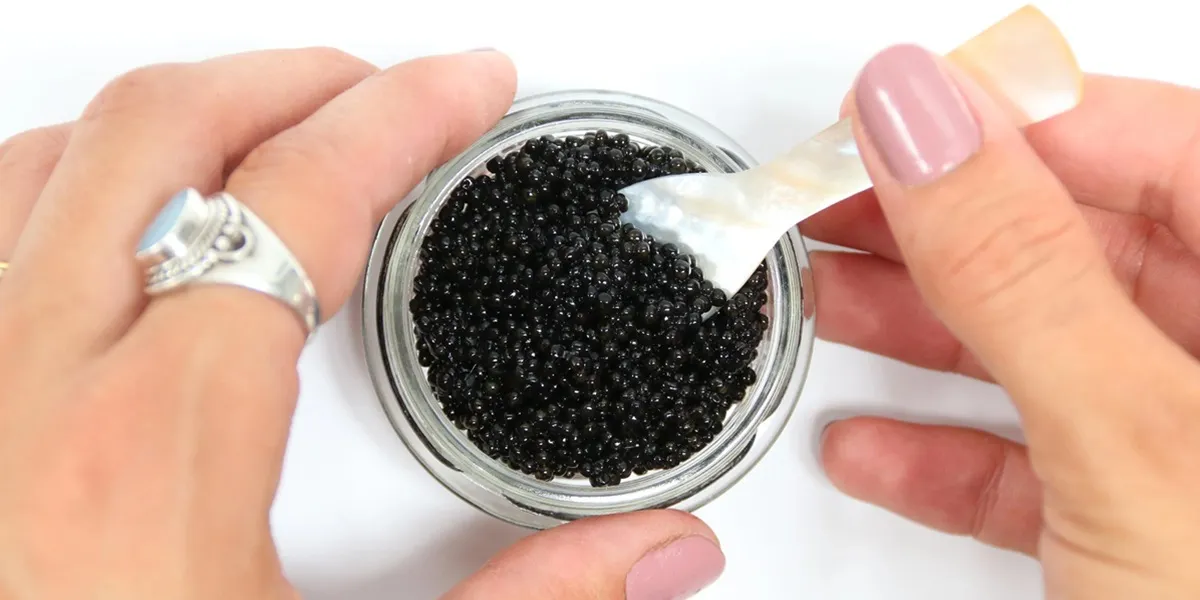
Discover the true power of caviar nutrition — far beyond its luxurious reputation, caviar is a compact powerhouse of essential nutrients that can benefit your body in multiple ways. Rich in high-quality protein, omega-3 fatty acids, vitamins, and minerals, this gourmet delicacy is not just a treat for special occasions but also a functional food for those seeking optimal health. Each tiny egg delivers a concentrated dose of vitamin B12, selenium, and essential fatty acids that support heart health, brain function, and immune resilience. While its high sodium content requires mindful portioning, the benefits of caviar nutrition are undeniable when consumed in moderation. Understanding what makes caviar nutritionally unique allows you to enjoy it intelligently — maximizing its health advantages without overindulgence. Keep reading to explore how caviar can fit into a balanced diet and why this traditional luxury food deserves a place on your plate.
What Is Caviar? A Nutrient‑Dense Gourmet Food
When people think of caviar nutrition, most imagine luxury before health. In reality, caviar — especially varieties like Caviar by Pishva Holding — delivers a dense set of nutrients in a small serving, making it one of the most nutrient‑rich foods you can enjoy. Traditionally, caviar refers to salt‑cured fish eggs from sturgeon, but the term is also used for roe from other species. What sets sturgeon caviar apart is not just flavor but its balanced nutrient profile: concentrated proteins, healthy fats, and micronutrients. Caviar is prized not just for taste but for its contribution to human nutrition:
- High‑quality proteins – all essential amino acids present
- Omega‑3 fatty acids – EPA & DHA that support systemic health
- Vitamins – B12, A, D, and E in meaningful amounts
- Minerals – selenium, iron, magnesium, and zinc
One ounce of high‑grade caviar can provide well over your daily requirement of vitamin B12, essential for energy metabolism and nervous system function. Unlike other indulgent foods, caviar combines taste with function. For people exploring how caviar nutrition fits into balanced meals, varieties like those from Pishva Holding show how tradition and wellness can meet on the plate. As you continue reading, you’ll uncover how each component of caviar contributes to specific aspects of health.
The Nutrition Breakdown: What’s Inside Caviar?
Understanding the details behind caviar nutrition begins with breaking down what’s inside this remarkable food. Today’s global appetite has shaped Caviar Market Trends toward nutrient quality as much as flavor, meaning producers and consumers pay closer attention to the biochemical makeup of caviar than ever before.
At its core, caviar offers:
| Nutrient Type | Key Benefits |
| Protein | Supports tissue repair, enzymes, and immune factors |
| Omega‑3s (EPA, DHA) | Heart, brain, and inflammatory support |
| Vitamin B12 | Red blood cell formation and neurological health |
| Vitamin D | Bone health & immune function |
| Minerals (Se, Zn, Mg) | Antioxidant defense and metabolic balance |
As the table shows, caviar packs several nutrient classes into a compact source. Typical fresh caviar delivers about:
- 200%+ of daily B12 needs per ounce
- Healthy fats with an excellent omega‑3 to omega‑6 ratio
- Antioxidants like selenium, supporting cellular defense
Current Caviar Market Trends emphasize sustainable harvesting and nutrient transparency, so quality labels often reflect both ecological responsibility and nutritional richness. These trends encourage consumers to view caviar not just as a luxury but as a functional food with science‑backed benefits. In the next section, we’ll explore how these nutrients influence heart health, one of the most commonly discussed areas of wellness.

Heart Health: How Caviar Supports Your Cardiovascular System
One of the strongest pieces of evidence in favor of caviar nutrition relates to cardiovascular support. Although you won’t find a single food that “prevents” heart disease, the nutrients concentrated in high‑quality roe — especially varieties like Pristine Caviar — align closely with heart‑healthy dietary guidelines.
Omega‑3 fatty acids are central to this benefit. EPA and DHA help regulate:
- Blood lipid levels, by lowering triglycerides
- Inflammatory pathways, reducing chronic inflammation
- Blood pressure, supporting vessel flexibility
A typical serving of Pristine Caviar contains a substantial amount of these long‑chain omega‑3s, which have been linked in research to lower risk markers for cardiovascular disease when consumed as part of a balanced diet.
Other heart‑relevant aspects of caviar nutrition include:
- Low saturated fat, compared with many animal products
- Micronutrients (selenium and magnesium) that contribute to vascular function
- Protein that supports metabolic balance without excessive calories
By integrating caviar into meals mindfully, you can enjoy both its unique flavor and its contribution to a heart‑conscious dietary pattern. In the section that follows, we’ll turn to how these same nutrients support brain function and emotional well‑being.
Brain Health, Mood, and Cognitive Support
When exploring caviar nutrition, the brain health benefits are among the most compelling. Nutrients found in caviar — especially long‑chain omega‑3 fatty acids — play essential roles in maintaining cognitive function and emotional balance. Products such as Top 10 Caviar in the World lists often highlight omega‑3 concentrations as a key measure of quality, and for good reason: the brain is nearly 60% fat, with DHA being one of the most abundant structural components of neural tissue.
Here’s how these nutrients influence brain health:
- DHA supports membrane fluidity in brain cells, aiding communication
- EPA has been associated with mood regulation
- Vitamin B12 plays a role in nerve signaling and energy metabolism
Beyond fats, minerals such as zinc and selenium also participate in antioxidant pathways that protect neural tissue from oxidative stress. While caviar alone isn’t a “cognitive cure‑all,” integrating it into a balanced diet can complement other brain‑healthy habits like regular physical activity and sufficient sleep.
For example, a simple pairing of caviar with whole grains and leafy greens creates a nutrient‑rich meal that supports both cognition and overall wellness. In the next section, we’ll look at how caviar contributes to skin health, another area where nutrition plays a surprisingly visible role.
Skin Benefits: Nutrients That Support Skin Barrier and Aging Processes
The impact of caviar nutrition on skin health is subtle but meaningful. When we think about radiant, resilient skin, we often focus on topical products — yet internal nutrition plays just as crucial a role. Nutrients in premium caviar, including essential fatty acids, vitamins, and antioxidants, contribute to the structural integrity of skin cells and the body’s stress response systems.
Key nutrients relevant to skin:
- Omega‑3 Fatty Acids: Help maintain the lipid barrier, improving moisture retention and reducing dryness
- Vitamin E: A fat‑soluble antioxidant that protects cell membranes from oxidative damage
- Vitamin A: Supports tissue repair and cellular turnover
Many of the Top 10 Caviar in the World lists reference the presence of these skin‑supportive nutrients, recognizing that both appearance and internal health benefit from a diet rich in essential fats and micronutrients.
Practical ways caviar nutrition supports the skin include:
- Better hydration balance due to healthy fats
- Reduced inflammation, which can help with redness and irritation
- Support for collagen integrity, indirectly through antioxidant mechanisms
While no single food guarantees flawless skin, consistent intake of nutrient‑dense foods like caviar can
Immune Support and Cellular Health
When considering caviar nutrition, one of the most underrated benefits is its contribution to immune support and cellular health. Caviar contains a unique combination of micronutrients that strengthen the body’s defense system and support optimal cellular function. Nutrients like selenium, zinc, and vitamin B12 are highly concentrated in high-quality caviar, making it a practical addition for overall wellness.
- Selenium: Acts as a powerful antioxidant, reducing oxidative stress and supporting immune cell function.
- Zinc: Essential for the production of white blood cells, which are critical in fighting infections.
- Vitamin B12: Supports DNA synthesis, red blood cell formation, and neurological function.
A typical serving of caviar provides enough selenium to meet a significant portion of daily requirements, while also delivering highly bioavailable forms of other essential minerals. This combination helps protect cells from damage, aids in recovery from inflammation, and supports metabolic efficiency.
Integrating caviar into a balanced diet can enhance the body’s resilience. Pairing it with antioxidant-rich foods like leafy greens or citrus can further optimize cellular protection. Understanding the role of caviar nutrition in immune health emphasizes that this delicacy is more than just a luxury—it’s a functional food with tangible benefits.
Balanced Consumption: Risks & Considerations
While caviar nutrition offers many benefits, mindful consumption is essential to maximize health advantages without potential drawbacks. The most significant consideration is sodium content. Caviar is salt-cured, and one ounce can contain a substantial portion of the recommended daily sodium intake, which can affect blood pressure in sensitive individuals.
Other points to consider:
- Mercury and environmental contaminants: Like other seafood, caviar may contain trace amounts depending on its source. Selecting reputable brands ensures safer consumption.
- Caloric density: While nutrient-rich, caviar is calorie-dense, so portion control is key for weight management.
- Allergies: Individuals sensitive to fish products should approach caviar cautiously.
| Nutrient | Typical 1 oz (28g) Serving | Notes |
| Sodium | 240–250 mg | ~10% of daily value |
| Protein | 4 g | Complete amino acid source |
| Omega-3 | 500–600 mg | EPA + DHA combined |
By understanding the benefits and limits of caviar, consumers can enjoy it responsibly. Moderate consumption ensures you reap the rewards of caviar nutrition without overindulging. Awareness of sourcing, portion size, and dietary balance transforms caviar from a luxurious treat into a practical, functional food.
Practical Ways to Enjoy Caviar While Maximizing Benefits
Incorporating caviar nutrition into everyday meals can be both enjoyable and health-conscious. To maximize benefits without overindulgence, focus on portion, pairing, and meal timing. High-quality caviar provides essential fatty acids, protein, and micronutrients, but mindful combinations enhance absorption and complement overall nutrition.
Practical tips:
- Pair with whole grains: Blinis, rye toast, or quinoa add fiber and stabilize blood sugar.
- Combine with healthy fats: Avocado or olive oil complements omega-3 absorption.
- Use as a garnish: Small amounts on eggs, salads, or seafood dishes provide concentrated nutrition without excess sodium.
Include antioxidant foods: Leafy greens, berries, and citrus protect against oxidative stress and enhance cellular protection.
For example, a simple breakfast of scrambled eggs topped with a teaspoon of caviar, served alongside sautéed spinach, combines protein, omega-3s, and antioxidants for a nutrient-dense meal. Even small servings allow you to enjoy the unique taste while capitalizing on the health benefits.
By following these strategies, caviar becomes a functional part of your diet. Understanding and utilizing caviar nutrition responsibly ensures that this luxurious food supports both flavor and wellness in daily meals.
Caviar Nutrition: The Luxury Food with Real Health Benefits
Caviar is more than just a symbol of luxury — it’s a surprisingly nutrient-rich food that deserves attention from anyone interested in optimal health. Packed with high-quality protein, omega-3 fatty acids, and essential vitamins and minerals, caviar nutrition offers tangible benefits that go beyond taste. Regular but moderate consumption can contribute to heart health, cognitive support, and immune system resilience, thanks to its unique combination of DHA, EPA, selenium, and vitamin B12. While portion control is important due to sodium content, even small servings provide a meaningful nutritional boost. Moreover, its low carbohydrate profile makes it suitable for various diet plans, from low-carb to keto.
By integrating caviar thoughtfully into meals — whether as a garnish on eggs, avocado toast, or whole-grain crackers — you can enjoy both its exquisite flavor and nutritional advantages. Ultimately, caviar nutrition demonstrates that indulgence and health do not have to be mutually exclusive. This delicacy exemplifies how traditional foods can deliver real value when incorporated with awareness. Continue exploring this guide to uncover practical tips and the science behind why caviar is not just a treat, but a functional addition to a healthy lifestyle.


