Serve it cold, always. The secret to experiencing the true luxury of caviar lies in its temperature. Serving caviar at the correct cold temperature — ideally between 28°F to 32°F (-2°C to 0°C) — preserves the delicate texture, subtle flavor, and natural aroma of the roe. Too warm, and the eggs lose their firmness; too cold, and the flavor becomes muted, masking the nuanced brininess that connoisseurs prize. Proper storage and serving are essential to fully appreciate the result of decades of careful sturgeon cultivation and meticulous caviar harvesting methods.
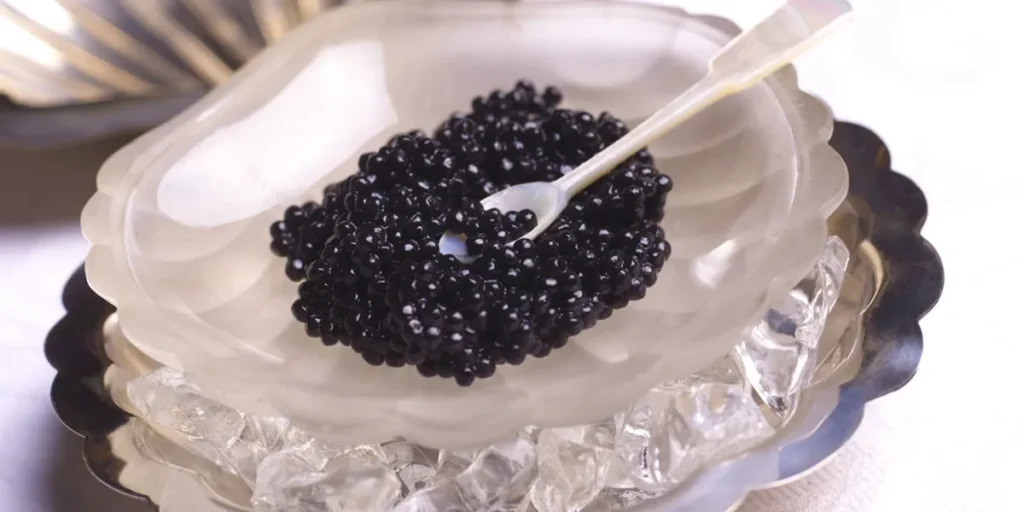
When plated, caviar is often placed over crushed ice or in a chilled serving dish to maintain this optimal temperature. Even a few minutes at room temperature can diminish its luxurious taste. Whether you are entertaining guests or savoring a personal indulgence, understanding the right temperature is the first step in honoring the quality of premium caviar. Keep reading to discover practical tips for serving and enjoying this exquisite delicacy.
What Is Caviar? Luxury Defined
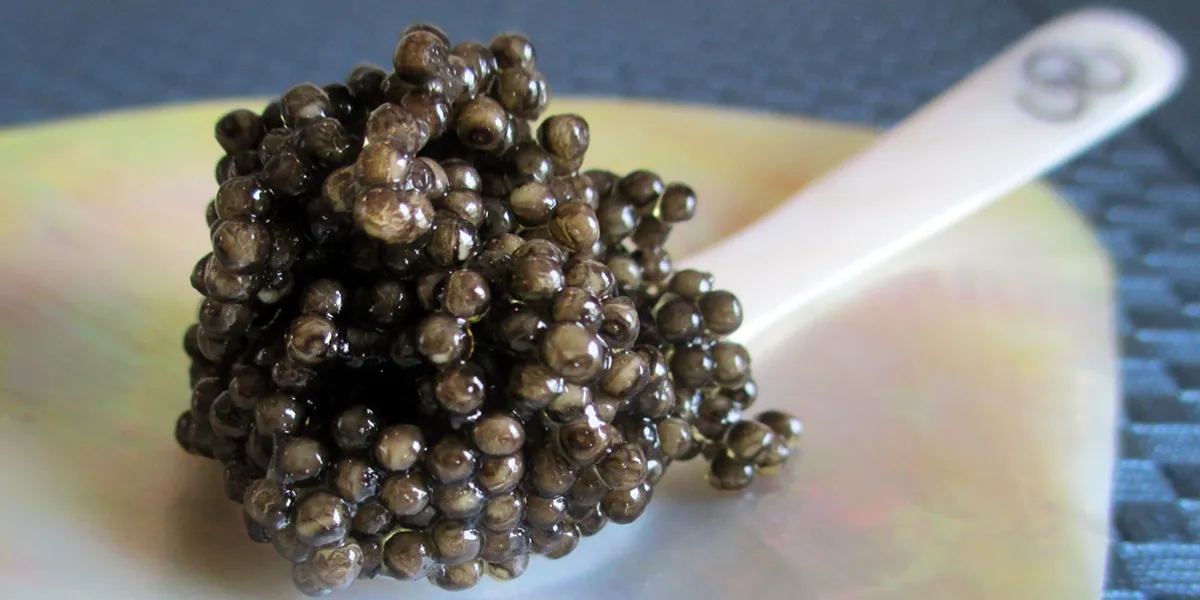
When people think of true culinary luxury, caviar stands among the very top tier of delicacies. At its essence, caviar is the salt‑cured eggs of specific fish, most famously sturgeon. While roe from other fish species is delicious in its own right, only the unfertilized eggs from sturgeon receive the designation of caviar in the gastronomy world. This distinction has defined the delicacy for centuries. From Caviar by Pishva Holding to boutique producers around the world, the allure of caviar continues to be tied to its rarity, texture, and nuanced flavor profile. High‑end caviar often carries notes of sea‑fresh brininess and a buttery finish that melts on the palate, making every bite a moment of indulgence.
Understanding caviar requires appreciation for its lifecycle. Sturgeon take many years—often over a decade—to reach maturity and produce market‑ready roe, a factor that helps explain both the high price and the reverence surrounding it. Over time, the concept of caviar harvesting methods has evolved from simple extraction to highly regulated processes that respect fish welfare and sustainability. Today’s connoisseurs not only seek exceptional taste but also traceability and ethical sourcing.
The History of Caviar Harvesting
The story of caviar stretches back many centuries, weaving together culture, commerce, and careful human stewardship of marine resources. Early references to caviar describe it as a prized delicacy enjoyed by nobility in regions around the Caspian Sea, particularly in areas now known as Russia and Iran. Ancient fishermen developed early practices to collect the finest roe from wild sturgeon, but these traditional methods often involved killing the fish to extract its eggs. This form of caviar harvesting methods persisted for generations and shaped the global understanding of what high‑quality caviar represents.
As the demand for this revered product grew, however, unregulated fishing took a toll on wild sturgeon populations. By the 20th century, sturgeon numbers had declined sharply, prompting international conservation efforts and tighter regulation of commercial harvesting. The decline also spurred innovation: aquaculture systems for sturgeon emerged, which allowed farmers to raise sturgeon in controlled environments and refine methods for extracting eggs. Over time, these developments have transformed the industry from its historic roots into a complex, modern network combining tradition with scientific insight. Consumers today benefit from improved traceability, higher product quality, and, increasingly, attention to sustainable caviar harvesting methods that aim to protect sturgeon for future generations.
Traditional Caviar Harvesting: Step‑by‑Step
Traditional caviar harvesting remains the foundation from which modern approaches grow, even as new techniques emerge. At its core, this practice involves timing and precision to ensure the roe is ready for collection. Producers first monitor the sturgeon for signs that eggs are fully mature, often using physical assessments or technology like ultrasound to estimate readiness. Once the fish has reached egg‑bearing maturity—a process that can take many years—the harvesting phase begins.
Here is a simplified but accurate overview of the classic process:
| Step | Description |
| Assess Maturity | Fish are evaluated for egg readiness using size, age, and scientific monitoring. |
| Sedation/Preparation | Sturgeon are gently cooled or sedated to reduce stress. |
| Extraction | An incision is made along the belly; roe sacks are removed. |
| Separation | Eggs are separated from membranes using sieves and filtration. |
| Curing | Roe is drained, lightly salted, and graded for quality. |
Despite being centuries old, this sequence of actions remains central to many commercial operations because it reliably yields high‑quality caviar. However, traditional methods usually require the fish to be killed to preserve the integrity of the eggs, a reality that raised both ethical and ecological questions and ultimately led to interest in alternative approaches. The role of caviar harvesting methods now often includes both these time‑tested techniques and newer, more sustainable adaptations.
Exploring the Most Exclusive Caviar Varieties
Why Sustainability Matters in Caviar Production
Sustainability has become a defining priority in food production, and caviar is no exception. Historically, the high value of sturgeon caviar drove overfishing that severely reduced wild sturgeon populations across major bodies of water such as the Caspian Sea. Because sturgeon take many years to reach reproductive maturity, removing adults from the ecosystem at high rates disrupted natural reproduction cycles and threatened species survival. Today, responsible producers recognize that safeguarding sturgeon populations is essential not only for ecological balance but also for the future of caviar itself.
Modern aquaculture operations focus on sustainable caviar harvesting methods that reduce harm and encourage regenerative practices. This includes raising sturgeon in well‑managed environments that mimic natural conditions, using scientific breeding programs and careful water quality controls. Conservation efforts also involve international treaties and regulations that restrict wild fishing and protect endangered species. Consumers increasingly demand transparency about how their caviar is sourced, pushing producers to adopt certifications and independent verification of sustainable practices.
A sustainably produced product not only aligns with ethical values but can also enhance the reputation of luxury brands and open new markets. By investing in sustainable methods and avoiding practices that endanger wild stocks, the industry can preserve the unique heritage of caviar while making it accessible to future generations without compromising ecological integrity.
No‑Kill Caviar Harvesting: What It Is
As awareness of ecological issues and animal welfare grew, the caviar industry began exploring alternatives to killing sturgeon solely to collect their eggs. This led to the development of no‑kill or non‑lethal extraction techniques—a significant innovation in the science of caviar harvesting methods. Instead of sacrificing the fish at peak egg production, these methods carefully collect roe in ways that allow the sturgeon to remain alive and healthy.
Several approaches fall under the no‑kill umbrella. One is often referred to as “stripping,” where hormones or gentle pressure are used to induce the release of mature eggs without a full surgical incision. Another involves a small, controlled cut similar to a C‑section, followed by careful closure and recovery. Ultrasound imaging plays an important role in both cases by enabling precise timing for extraction. After the eggs are obtained, the fish are monitored through recovery and returned to their habitat or holding tanks to potentially produce more eggs in subsequent cycles.
The key advantage of no‑kill harvesting is that it allows a single sturgeon to produce caviar multiple times over its lifespan, reducing the environmental impact and contributing to broader conservation goals. Though more technically demanding and sometimes requiring specialized veterinary care, no‑kill methods represent a promising direction for ethically minded producers and consumers alike, bridging the gap between tradition and modern sustainability.
How No‑Kill Methods Work: Scientific Insights
No‑kill caviar harvesting methods are a scientific response to the ethical and ecological problems of traditional caviar extraction. Instead of sacrificing the fish to collect Caviar Eggs, these processes focus on preserving sturgeon health while obtaining high‑quality roe that can meet culinary standards. Among the most prominent techniques are stripping and ultrasound‑guided extraction, both of which rely on an understanding of sturgeon reproductive biology and careful handling.
In the stripping method, trained aquaculture professionals gently stimulate mature females so that eggs are released naturally, often using hormone treatments that encourage egg detachment without invasive surgery. This approach requires precise timing: farmers monitor egg development so that extraction occurs at peak maturity, ensuring flavor and texture remain consistent. Ultrasound imaging is frequently used to determine egg readiness, giving a real‑time view inside the fish without stress.
Some no‑kill systems also involve minimal incisions that resemble veterinary procedures more than traditional harvesting, followed by careful suturing and recovery. These processes reduce tissue damage and lower stress, increasing the chances the fish will produce eggs again in future cycles. Because sturgeon can take many years to mature, allowing multiple harvests from a single fish boosts both sustainability and long‑term production.
Benefits of No‑Kill Caviar Production
No‑kill caviar harvesting methods offer measurable advantages for producers, consumers, and the environment. Most importantly, they help protect vulnerable sturgeon populations. Many sturgeon species are endangered, largely because of overfishing and habitat loss; letting fish survive after egg extraction reduces the need to remove adults from the ecosystem.
Here are key benefits:
- Ecological sustainability: By keeping mature sturgeon alive, no‑kill systems help stabilize populations that have been depleted in rivers and seas around the world.
- Economic efficiency: A single sturgeon can produce multiple batches of eggs over its lifetime, making long‑term aquaculture operations more viable.
- Ethical appeal: Many consumers now choose products that reflect animal welfare values; non‑lethal caviar resonates with this trend.
- Market differentiation: Producers who adopt no‑kill methods can position their brands as innovative and responsible, attracting environmentally conscious diners.
However, it’s important to note that success depends on careful husbandry and investment in training and technology. When done correctly, these methods can reduce the environmental footprint of caviar production while maintaining high sensory quality that gourmets expect.
Challenges and Trade‑Offs with No‑Kill Caviar
While promising, no‑kill caviar harvesting methods also present challenges that must be considered by producers and consumers alike. Implementing these techniques requires specialized expertise and technology, including precise monitoring tools and skilled aquaculture staff. Unlike traditional harvesting, which kills the fish, no‑kill practices necessitate careful handling to minimize stress and avoid post‑extraction complications.
Here are several key challenges:
- Technical complexity: Harvesting without harming the fish involves advanced training and equipment, which can make setup costs higher.
- Variable yield: The quantity of eggs collected in a no‑kill cycle may be lower than what is obtained from traditional methods, due to careful extraction and timing.
- Quality control: Some producers report subtle textural differences in eggs harvested through non‑lethal means, though ongoing research continues to refine best practices.
- Initial investment: Especially for small farms, the cost of implementing ultrasound equipment and developing expertise can be a barrier.
Despite these trade‑offs, many view no‑kill techniques as essential for the long‑term viability of the industry. By balancing ecological concerns with consumer demand for high‑quality caviar, producers can both protect sturgeon populations and sustain commercial operations.
What Consumers Should Know
For consumers, understanding how caviar is produced can inform better choices and encourage support for sustainable practices. When selecting caviar, consider asking suppliers about their caviar harvesting methods and how the fish are treated during the process.
Here are some practical tips:
- Ask about origin: Caviar from farms that use non‑lethal or sustainable approaches often comes with clear labeling or certification.
- Check sustainability labels: Look for eco‑certifications that indicate responsible aquaculture practices.
- Know the species: Some sturgeon species are more endangered than others; responsible farms avoid depleting wild stocks.
- Consider the full ecosystem impact: Beyond how eggs are harvested, sustainable farms manage water quality and feed responsibly.
Educated consumers can drive demand for products that align with environmental stewardship and ethical standards. When you choose caviar produced with long‑term health and biodiversity in mind, you support an industry that respects both tradition and the planet.
Final Thought: The Future of Caviar
Unlock the full flavor of your caviar by respecting its chill. The right serving temperature transforms a simple tasting into an unforgettable culinary experience. For optimal enjoyment, caviar should never be exposed to room temperature for long periods. Using a chilled spoon, ideally mother-of-pearl, and serving it over crushed ice ensures that each bite maintains its firmness and bursts with balanced briny notes. While many enthusiasts focus on presentation, temperature is equally critical — it directly impacts texture, aroma, and flavor. Understanding the science behind caviar harvesting methods also helps. Properly harvested eggs retain their natural oils and proteins, which are sensitive to heat. Even subtle warming can degrade the delicate structure, diminishing the investment in high-quality sturgeon farming. Whether pairing with champagne, blinis, or simply enjoying on its own, keeping caviar cold ensures that every element of the tasting aligns with the expectations of a true connoisseur. In short, mastering serving temperature is an essential part of respecting both the tradition of caviar harvesting methods and the luxury of the final product. Follow these guidelines, and your caviar experience will always be as exquisite as intended.
FAQs
Q1: What are no‑kill caviar harvesting methods?
No‑kill caviar harvesting methods are techniques that allow the extraction of roe without killing the fish, often using gentle stimulation or precise surgical methods to release eggs while keeping the sturgeon alive.
Q2: Why is sustainable caviar important?
Sturgeon species are vulnerable due to overfishing and habitat loss. Sustainable caviar practices protect these populations while meeting consumer demand.
Q3: Does no‑kill harvesting affect caviar quality?
Some producers note slight differences, but advances in technique aim to match the flavor and texture of traditionally harvested caviar.
Q4: How can I identify sustainably produced caviar?
Look for certifications and clear information about the producer’s harvesting and aquaculture practices.
Q5: Are no‑kill methods widely used?
They are growing in popularity but are not yet universal, especially where tradition and scale favor conventional approaches.