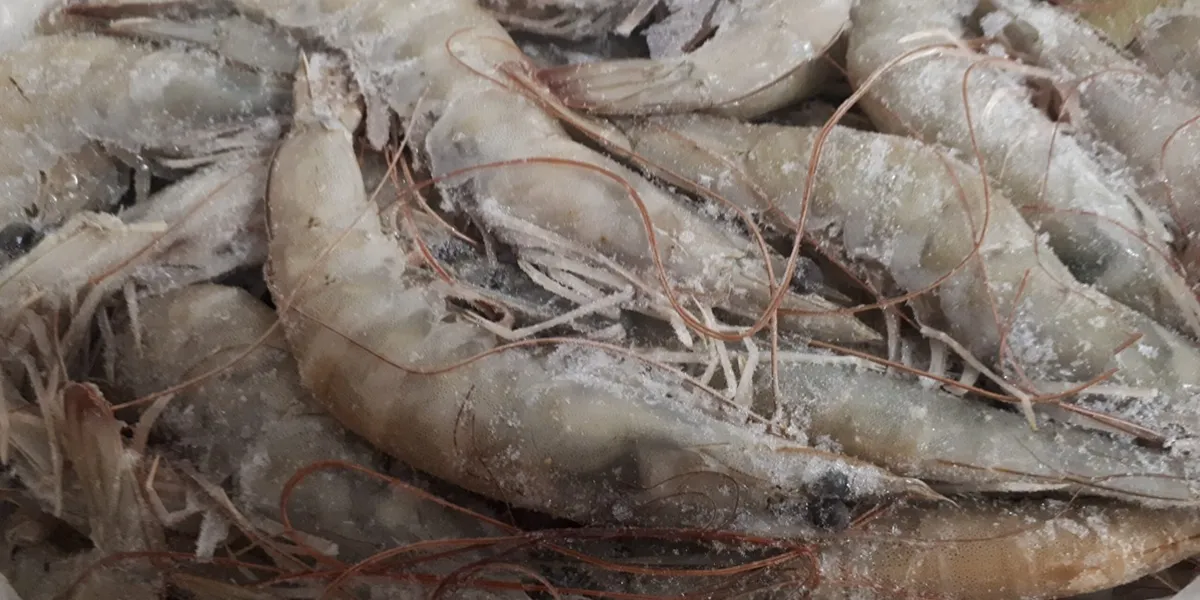
Reliable access to affordable, high-quality seafood starts with understanding how the supply actually works. In today’s global food system, The Frozen Shrimp Market plays a decisive role in meeting year-round demand while stabilizing prices and quality for both consumers and businesses. Frozen shrimp is no longer viewed as a secondary option to fresh products; advances in rapid freezing, cold-chain logistics, and quality control have made it a dependable protein source across retail, foodservice, and industrial channels.
From large-scale aquaculture farms to international distribution hubs, this market connects producers in Asia and Latin America with consumers in North America, Europe, and emerging economies. At the same time, shifting dietary habits, sustainability expectations, and trade regulations are reshaping how frozen shrimp is produced, processed, and sold. Understanding these dynamics is essential for investors, exporters, and buyers who want to make informed decisions. In the following sections, this article explores how The Frozen Shrimp Market is evolving, where the real opportunities lie, and why its future remains closely tied to global food security. Continue reading to gain a clearer, practical view of this fast-moving market.
Why Frozen Shrimp Matters in the Global Seafood Industry
The Frozen Shrimp Market represents a pivotal segment of the worldwide seafood trade, acting as a bridge between producers and consumers across diverse economic regions. At its core, this market addresses both supply‑chain efficiency and the growing appetite for nutritious, protein‑rich foods that fit modern lifestyles. As consumers increasingly prioritize products that are convenient, safe, and versatile in cooking applications, frozen shrimp has emerged as a mainstream choice for households, restaurants, and institutional buyers alike.
Rapid freezing technologies, such as individual quick freezing (IQF), are central to preserving the texture and nutritional value of shrimp products — factors that directly influence consumer trust and repeat purchases. Market leaders, including companies like Pishva Holding, are investing significantly in cold‑chain infrastructure and quality control systems to differentiate their offerings in a crowded marketplace. These investments support global distribution networks that deliver consistent product quality to retail channels and foodservice clients worldwide.
In this context, The Frozen Shrimp Market is much more than a commodity trade; it is a dynamic industry that reflects shifts in consumption behavior, technological innovation, and international seafood commerce. Exploring this market helps stakeholders understand structural drivers and emerging opportunities for growth.
Market Size & Growth Projections: From 2025 to 2035
The outlook for The Frozen Shrimp Market over the next decade reveals a robust trajectory of expansion, supported by rising global demand for frozen seafood and high‑quality protein sources. According to reputable market forecasts, this segment is expected to grow significantly between 2025 and 2035, with valuations increasing from approximately USD 18.7 billion to more than USD 32.8 billion. This projection corresponds to a compound annual growth rate (CAGR) of around 5.8%, signaling steady expansion across both established and emerging economies.
| Year | Estimated Market Value (USD Billion) |
| 2025 | 18.7 |
| 2030 | ~25.5 |
| 2035 | 32.8 |
Several key factors contribute to this growth: the evolution of consumer eating habits toward convenient and healthy frozen products; expansion of modern retail and e‑commerce channels that improve access to frozen seafood; and continued technological advancements in freezing and logistics. Regions such as Asia‑Pacific and North America are leading the charge due to robust production capacities and strong consumption trends, respectively. Meanwhile, retail distribution channels — especially supermarkets and hypermarkets — are expected to remain dominant in delivering frozen shrimp products to end users around the world.
Core Demand Drivers: What’s Fueling Global Growth
Understanding what drives demand in The Frozen Shrimp Market requires examining both supply dynamics and shifting consumer preferences. Increasing awareness of the health benefits associated with shrimp — including its high protein content, low fat, and essential nutrients — has made it a preferred choice for health‑conscious consumers. This trend is particularly visible in urban markets where active lifestyles and dual‑income households elevate the value placed on nutritious, ready‑to‑cook food options.
Primary Demand Drivers Include:
- Convenience and versatility: Busy consumers seek products that reduce meal preparation time without compromising quality. Frozen shrimp fits this need across a range of dishes, from stir‑fries to pasta.
- E‑commerce and retail access: Growth in digital grocery shopping broadens market reach, allowing more consumers to access seafood export shrimp offerings in diverse markets.
- Foodservice sector reliance: Restaurants, especially quick‑service brands, increasingly incorporate frozen shrimp into menus due to consistent quality and ease of storage.
- Technological improvements: Advances in IQF and cold‑chain logistics enhance product shelf life, safety, and overall sensory quality, helping to increase consumer confidence.
These drivers are supported by broader economic shifts such as rising disposable incomes, global trade facilitation, and investments in sustainable aquaculture practices. As demand continues to evolve, producers and distributors who can align with these trends will be well‑positioned to capture increased market share and deliver value across global supply chains.
Regional Market Dynamics: Leaders and Emerging Hotspots
The Frozen Shrimp Market exhibits distinct patterns of regional leadership and emerging opportunity zones shaped by production capacity, consumption behavior, and trade networks. Asia‑Pacific stands out as the largest production hub, commanding a significant share of global output due to favorable natural conditions, robust aquaculture systems, and export‑oriented infrastructure. Countries such as China, India, Thailand, and Vietnam are central to this dynamic, both supplying raw material and processing shrimp products for international shipment.
In contrast, North America and Europe are major consumption markets, driven by high per‑capita seafood demand, well‑developed retail infrastructure, and a strong preference for value‑added frozen products. These regions rely heavily on imports to meet domestic consumption needs, making them key destinations for seafood export shrimp flows from Asia and Latin America.
Regional Highlights:
- Asia‑Pacific: Leads in production scale and export supply, influenced by rising urban incomes and aquaculture investment.
- North America: Strong market for frozen shrimp due to widespread retail adoption and foodservice demand.
- Europe: Comprises a large share of consumption with growing interest in sustainable sourcing and traceability.
- Middle East & Africa: Emerging as a growth region amid rising urbanization and dietary diversification.
Across these dynamics, infrastructure enhancements, regulatory alignment, and evolving consumer preferences will continue to reshape how regions compete, collaborate, and capture growth within the global shrimp ecosystem.

Product Trends: From Raw to Value‑Added Shrimp
The evolution of The Frozen Shrimp Market is apparent in how products are developed and positioned to meet diverse consumer needs. While raw frozen shrimp remains foundational for industrial and culinary applications, value‑added products are gaining significant traction. These include peeled and deveined shrimp, pre‑marinated options, breaded formats, and ready‑to‑cook meal kits that align with modern consumption habits.
Key Product Trends:
- Peeled & deveined dominance: This segment continues to lead due to convenience and ease of use in both household and professional kitchens.
- Value‑added formats: Growing interest in prepped shrimp options — including seasoned and ready‑to‑cook products — reflects demand for time‑saving solutions.
- Packaging innovation: Advances in packaging and modified atmosphere technology help maintain freshness and extend shelf life, which supports wider distribution.
- Sustainability labeling: Eco‑certified shrimp and transparency in sourcing increasingly influence purchase decisions, especially in developed markets.
These trends are driven by consumer expectations that frozen shrimp should deliver not only nutritive value but also convenience and consistent quality. For suppliers like Iranian Shrimp Supplier & Wholesale, understanding and innovating around these preferences is crucial to maintaining competitiveness and building lasting customer loyalty in a market that values both tradition and efficiency.
Supply Chain and Logistics: Cold Chain Innovation
Maintaining an efficient supply chain is vital for The Frozen Shrimp Market, especially because shrimp is temperature‑sensitive and quality declines rapidly if cold chain standards are not upheld. A cold chain refers to the refrigerated system that transports and stores frozen seafood from processing plants to retailers and end customers. Modern innovations in cold chain logistics are transforming the way shrimp is handled across borders and markets by improving product safety, reducing spoilage, and increasing shelf life.
Technologies such as real‑time temperature monitoring using IoT sensors and blockchain traceability systems help producers and distributors ensure product integrity throughout transit, which is particularly important for high‑value frozen seafood like shrimp. These innovations not only support compliance with global food safety standards but also build trust among international buyers.
Key elements of cold chain innovation include:
- IoT‑enabled monitoring: Real‑time tracking of temperature and humidity throughout the supply chain.
- Blockchain traceability: Permanent digital records of origin, storage, and handling conditions.
- Advanced refrigeration techniques: IQF and modified atmosphere packaging that preserve texture and flavor.
Despite these improvements, infrastructure gaps in several developing regions still hinder seamless cold chain operations, reinforcing the need for investment in refrigerated storage facilities and trained logistics personnel.
Key Challenges Facing the Frozen Shrimp Market
While The Frozen Shrimp Market continues to expand globally, it faces several significant challenges that affect production, quality, and profitability. One persistent barrier is the complexity of maintaining continuous cold chain logistics. Temperature breaks during transport or storage can lead to texture degradation or microbial growth, which impacts product quality and consumer confidence.
Other core challenges include:
- Regulatory compliance: Different countries have varying safety and quality standards for imported seafood, which complicates international trade and raises compliance costs.
- Supply chain disruptions: Natural disasters, seasonal harvest fluctuations, and global events like pandemics can interrupt supply continuity and create price volatility.
- Infrastructure gaps: Insufficient cold storage capacity and refrigerated transport in emerging markets lead to product loss and lower reliability.
- Environmental concerns: Overfishing and sustainability pressures push producers to adopt more responsible practices, but these can increase operational costs.
Together, these factors underline the need for strategic planning, investment in advanced facilities, and collaborative efforts with regulators to support quality standards, reduce logistical bottlenecks, and strengthen global trade networks.
Future Opportunities: Strategic Focus Areas for Growth
Looking ahead, The Frozen Shrimp Market presents several high‑value opportunities for businesses and investors willing to innovate and adapt to evolving consumer preferences. A major growth avenue lies in product diversification, particularly in value‑added and convenience formats such as pre‑marinated or ready‑to‑cook shrimp that cater to busy lifestyles and global food trends.
Emerging strategic opportunities include:
- Digital transformation: Investing in e‑commerce platforms and direct‑to‑consumer channels to expand market reach.
- Sustainability credentials: Brands that pursue eco‑certifications and transparent sourcing attract environmentally conscious consumers.
- Cold chain efficiency gains: Adopting AI and IoT tools to optimize logistics and reduce spoilage.
- Emerging markets expansion: Rising incomes in regions like Latin America and Africa increase demand for affordable frozen seafood.
Overall, aligning strategic focus on customer trends, sustainability, and infrastructure innovation can help market participants strengthen their competitive edge and unlock new revenue streams.
Competitive Landscape: Major Players and Strategies
The global shrimp market is highly competitive, with major multinational companies shaping trends and setting benchmarks for quality, distribution, and brand visibility. Leading players invest heavily in processing capacity, cold chain infrastructure, and product innovation to meet growing global demand.
Key Strategies Used by Top Competitors:
- Product innovation: Introduction of new formats such as cooked, breaded, or seasoned frozen shrimp products.
- Sustainability focus: Increasing supply of sustainably sourced shrimp to tap into eco‑conscious consumer segments.
- Global distribution networks: Partnerships with international retailers and foodservice distributors to extend market reach.
Prominent companies operating in this arena include Thai Union Group, Maruha Nichiro Corporation, High Liner Foods, and Aqua Star Corp., among others. These firms often pursue expansions in processing capabilities, adopt advanced cold chain technologies, and build strong brand recognition to maintain or grow their market share.
Competitive intensity remains high, but firms that successfully integrate sustainability, digital tools, and responsive supply chain systems are best positioned to capture future growth.
Conclusion: A High-Value, Resilient Market Poised for Growth
What ultimately defines the strength of a global food market is its ability to adapt, and this is where frozen shrimp stands out. The Frozen Shrimp Market has proven resilient by responding to changing consumer preferences, technological progress, and tighter sustainability standards. Its growth is not driven by volume alone, but by improvements in product quality, traceability, and value-added offerings that meet modern expectations. As cold-chain infrastructure expands and freezing technologies continue to improve, frozen shrimp is increasingly positioned as a premium, reliable product rather than a compromise.
At the same time, the market faces real challenges, including environmental pressures on aquaculture, regulatory complexity, and cost volatility across supply chains. Addressing these issues requires long-term investment, transparent sourcing, and closer cooperation between producers, processors, and distributors. Businesses that prioritize efficiency, certification, and innovation are better equipped to capture emerging opportunities in retail, foodservice, and e-commerce.
Looking ahead, The Frozen Shrimp Market is likely to remain a cornerstone of global seafood trade. Its ability to deliver consistent quality at scale makes it essential for feeding growing populations while supporting economic development in producing regions. For stakeholders who understand its structure and trends, the market offers not only stability but sustainable growth potential in the years to come.
FAQs
1: What is The Frozen Shrimp Market?
The Frozen Shrimp Market refers to the global industry that processes, distributes, and sells shrimp preserved by freezing technology. This market encompasses production, cold chain logistics, retail and foodservice distribution, and international trade of shrimp products stored and shipped under controlled temperatures.
2: How important is cold chain logistics to frozen shrimp quality?
Cold chain logistics is critical because shrimp must remain frozen at specific temperatures throughout the supply chain to avoid microbial growth and preserve texture and taste. Modern technologies such as IoT monitoring and blockchain are increasingly used to enhance cold chain performance.
3: What challenges does the frozen shrimp industry face?
Key challenges include supply chain disruptions, regulatory compliance costs, infrastructure gaps in cold storage, and environmental sustainability pressures. These challenges can affect pricing, quality, and global distribution effectiveness.
4: What opportunities are emerging in the frozen shrimp market?
Opportunities include digital transformation, growth in e‑commerce, sustainable sourcing, value‑added products, and expanding demand in emerging economies. Consumers increasingly value convenience and eco‑friendly options.
5: Who are the major competitors in this market?
Major players include Thai Union Group, Maruha Nichiro, High Liner Foods, and Aqua Star Corp., which compete through product innovation, global distribution, and sustainability initiatives.