
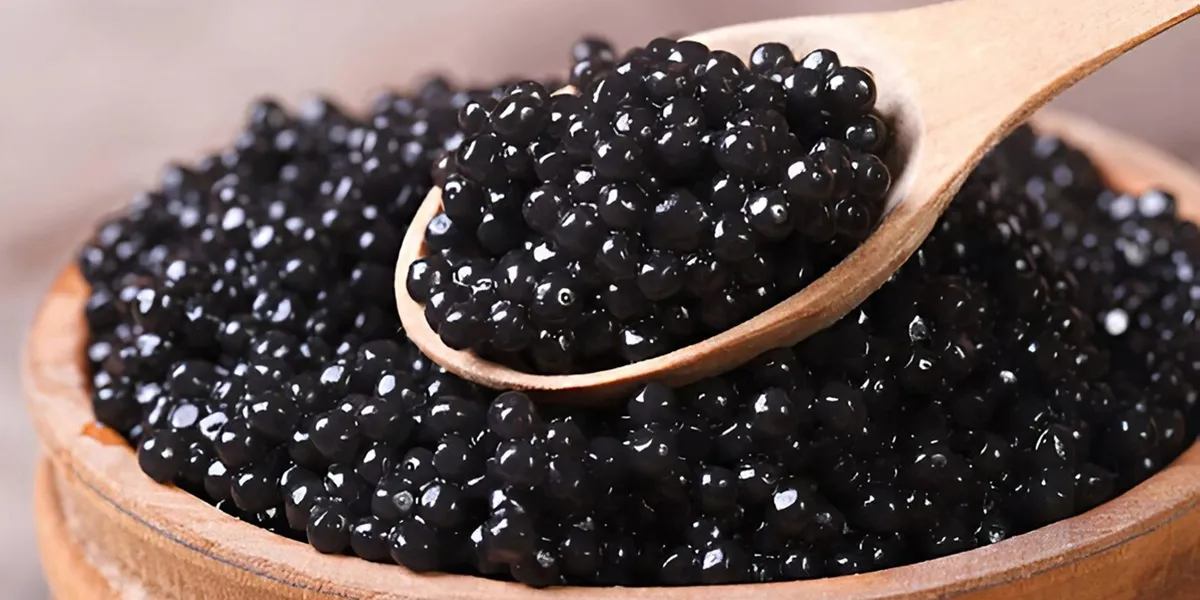
Uncovering the complex story behind smuggled caviar in Iran leads inevitably to the broader History of farmed caviar in Iran, a narrative shaped by centuries of tradition, economic demand, and modern sustainability challenges. Iran’s location along the Caspian Sea endowed it with some of the world’s most prized sturgeon species, which historically supplied global markets with high‑quality roe. Overfishing and weak regulation in the 20th century drove much of this precious resource into illicit trade networks, creating tensions between local authorities, smugglers, and international regulators.
As global demand surged, pressure mounted on wild sturgeon stocks, accelerating the transition from unregulated harvesting toward scientific farmed production. This shift represents not just an economic evolution but an ecological imperative. Today, Iranian aquaculture integrates advanced breeding techniques with regulatory frameworks aimed at reducing smuggling and protecting endangered fish populations. Continue reading to understand how Iran transformed its caviar industry into a regulated, sustainable system while confronting the legacy of illicit trade.
Introduction: Iran’s Legacy in Caviar and Aquaculture
Iran’s contribution to the luxury food world has long been defined by its mastery of sturgeon products, and the History of farmed caviar in Iran illustrates how tradition and innovation have shaped a globally renowned industry. From the shores of the Caspian Sea to advanced hatcheries inland, Iran’s aquaculture scene has adapted over decades to balance cultural heritage with modern conservation science. Among the companies at the forefront of this transition, Pishva Holding has played a notable role in developing sustainable production methods that respect both the environment and market demand.
Historically, Iranian sturgeon fisheries supplied much of the world’s caviar, but overfishing and ecological changes forced the industry to rethink its practices. The move toward controlled, farm‑based production was not simply economic; it became essential for protecting endangered Caspian sturgeon species and maintaining export viability. Today, farms across northern Iran use scientific breeding and broodstock management to produce high‑quality roe, ensuring supply without harming wild populations. This blend of long‑standing cultural value and advanced aquaculture marks a defining moment in the History of farmed caviar in Iran. As you read on, you will gain deeper insights into how this evolution unfolded over time.
The Origins of Sturgeon Harvesting in Iran
Understanding the History of farmed caviar in Iran requires a foundational look at how sturgeon were first harvested along the Caspian Sea. The sturgeon fishery has roots stretching back centuries, with the coastal regions of northern Iran among the earliest known centers of caviar production. Long before modern aquaculture, local fishers harvested wild sturgeon for both meat and roe, establishing a cultural and economic tradition that spread throughout Europe and Asia.
By the late 19th century, structured commercial harvests were in place, and Iran — alongside Russia — became a dominant exporter of natural sturgeon caviar. These early harvesting techniques were based on coastal gillnet fishing and seasonal runs, practices that were effective for decades but eventually placed immense pressure on wild stocks. Over time, increased demand led to declines in natural populations, highlighting the limitations of unregulated harvest.
Key points in early sturgeon harvesting:
- Caspian Sea home to multiple key sturgeon species including beluga and Persian sturgeon.
- Wild harvest sustained the market for over a century.
- Rising global demand increased pressure on stocks, foreshadowing the need for controlled production.
This early phase laid the groundwork for the later shift toward aquaculture, which would become a defining chapter in the History of farmed caviar in Iran.
Decline of Wild Stocks and the Need for Aquaculture
A critical turning point in the History of farmed caviar in Iran was the sharp decline of wild sturgeon populations in the Caspian Sea. For many decades, commercial harvesting supported Iran’s place as a leading caviar exporter, but environmental changes and unsustainable fishing practices began to strain this balance. Pollution, upstream dams blocking migration routes, and intense fishing pressure contributed to a dramatic drop in sturgeon numbers by the late 20th century, making traditional harvest methods increasingly less viable.
At the same time, the global appetite for caviar continued to grow, leading to increased illegal harvesting and smuggled caviar in Iran and neighboring regions. These activities not only depleted wild stocks but also created regulatory challenges for authorities trying to enforce conservation measures. As a result, industry leaders and government agencies turned toward aquaculture as a sustainable alternative that could both satisfy market demand and support species recovery.
What drove the shift to farming:
- Sharp decline in natural sturgeon populations.
- Increased international regulation and anti‑poaching efforts.
- Urgent need to balance ecology with commercial demand.
This scenario set the stage for systematic, science‑based sturgeon farming, which would redefine the History of farmed caviar in Iran and contribute to ongoing efforts to protect wild biodiversity while sustaining economic value.
The Birth of Sturgeon Farming in Iran
The emergence of controlled sturgeon aquaculture represents a pivotal chapter in the History of farmed caviar in Iran. With wild stocks under severe pressure, researchers, policymakers, and industry leaders collaborated to develop hatchery and farming methods that could reliably produce high‑quality roe without further harming natural populations. Iran’s approach combined traditional knowledge with modern aquaculture science, setting a precedent for sustainable luxury food production.
Initially focused on conservation and restocking programs, early sturgeon farms aimed to breed juveniles that could be returned to the Caspian Sea to support wild populations. Over time, these hatcheries began producing fish for full life‑cycle farming. By improving broodstock selection, optimizing water quality, and using controlled feeding practices, farms were able to significantly enhance both growth rates and caviar yield compared to earlier methods.
Milestones in early sturgeon farming:
| Phase | Focus | Impact |
| Hatchery stock development | Breeding and early life care | Increased juvenile survival |
| Restocking programs | Releasing fry into wild | Supported conservation |
| Controlled farm production | Whole lifecycle management | Consistent quality caviar |
A key outcome of this evolution was that Iran not only reduced dependence on wild harvests but also became a more stable global supplier. This shift has influenced market dynamics and supports broader trends in Exploring the Most Exclusive Caviar Varieties, as sustainably farmed products gain premium status among discerning consumers.
Modern Caviar Farming Techniques
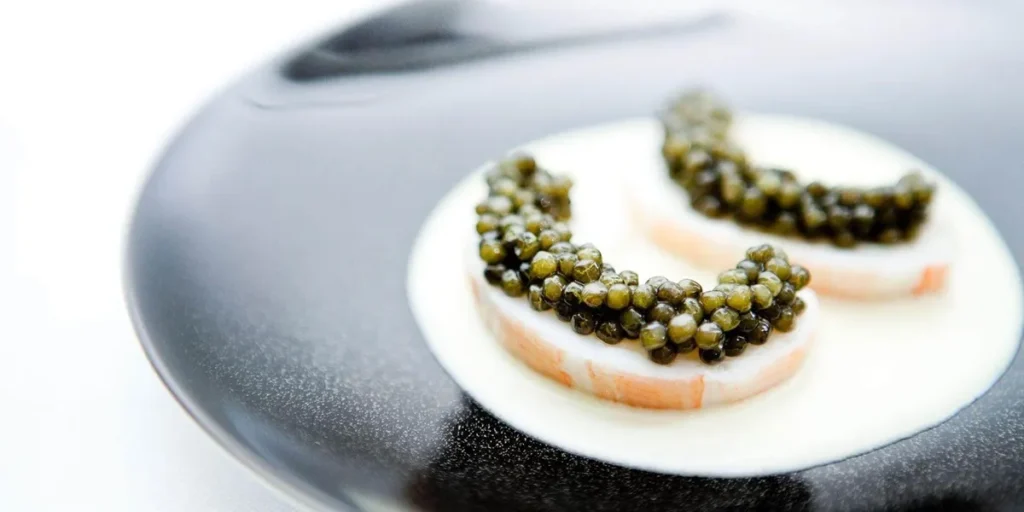
Modern caviar production has transformed significantly from simple harvest methods to sophisticated aquaculture systems, marking an important chapter in the History of farmed caviar in Iran. Today, producers combine traditional expertise with high‑tech approaches to ensure consistent quality and sustainability. A major development has been the adoption of controlled environments that closely mimic the natural Caspian Sea conditions while allowing precise control over water quality, nutrition, and growth cycles. This helps optimize sturgeon health and improve roe yield.
Key technological advancements include:
- Recirculating Aquaculture Systems (RAS): These systems recycle water and filter out waste, significantly reducing environmental impact and improving disease control.
- Automated Monitoring: Sensors track oxygen, temperature, and salinity in real time, ensuring optimal growth conditions.
- Selective Breeding Programs: Farms select broodstock based on genetic traits that influence egg quality and growth performance.
Typical Farm Workflow
| Stage | Key Activity | Objective |
| Broodstock Selection | Genetic & health screening | High‑quality offspring |
| Spawning & Rearing | Controlled breeding & feeding | Optimal survival rates |
| Caviar Extraction | Carefully timed harvest | Best flavor & texture |
| Processing & Packaging | Quality control & storage | Long shelf life |
Iranian producers are also improving feed formulations to support faster growth and better roe composition, reflecting global best practices in aquaculture research. This progress shows how the History of farmed caviar in Iran has evolved toward scientifically grounded, scalable production models that meet both ecological and commercial needs.
Sustainability Measures and Regulatory Frameworks
Environmental pressures on wild sturgeon populations led to fundamental shifts in the History of farmed caviar in Iran, with sustainability becoming a central priority. Faced with depleted stocks in the Caspian Sea, Iranian authorities joined international conservation efforts and implemented policies to ensure long‑term viability of sturgeon species.
Among the most impactful measures are:
Sturgeon Hatchery Releases: Massive releases of juvenile sturgeon into the Caspian began in the 1970s to replenish wild populations. These efforts continue as part of conservation strategies.
- Regulated Harvest Quotas: Strict limits on fishing and harvesting help protect adult breeding populations.
- International Agreements: Iran’s compliance with organizations like CITES ensures that caviar exports adhere to global standards and traceability requirements.
- Conservation & aquaculture integration: Wild stock protection alongside farmed production supports ecological balance.
- Reduced reliance on wild catch: Controlled farms now produce most sturgeon used for caviar, reducing pressure on natural populations.
- Traceability systems: Modern labeling and tracking improve transparency and discourage illegal trade.
These frameworks reflect a broader commitment to sustainability that redefines how caviar is sourced and marketed. As sturgeon farming technology advances and regulatory mechanisms strengthen, the History of farmed caviar in Iran increasingly demonstrates how luxury food production can align with ecological stewardship.
Grading, Quality Control, and Market Position
A defining aspect of the History of farmed caviar in Iran is how grading and quality control have evolved to meet international market expectations. Iranian producers now follow detailed classification systems that evaluate caviar based on egg size, color, texture, and flavor — all essential factors for premium pricing and customer satisfaction.
Core Grading Criteria
- Egg Size: Larger eggs, especially from beluga and osetra, command higher value.
- Color Spectrum: Caviar ranges from lighter gray to deep black; each shade reflects both species and maturity.
- Texture & Firmness: Quality eggs separate easily without breaking.
In modern processing facilities, quality control begins long before harvest and continues through packaging. Producers use microscopic inspection and taste profiling to ensure each batch matches established standards. These scientific methods complement traditional sensory assessments done by experienced caviar experts.
Market Position Factors
- Traceability: Batch codes and documented origin details help verify authenticity in export markets.
- Packaging: Vacuum sealing and controlled storage conditions preserve freshness and extend shelf life.
- Brand Reputation: Iranian caviar holds a strong position among discerning buyers because of its consistent quality and long history.
These quality assurance practices are critical not only for customer trust but also for maintaining Iran’s competitiveness in a global market that values premium, traceable products. The History of farmed caviar in Iran is as much about refining quality as it is about sustaining production.
Challenges and Future Directions
As the History of farmed caviar in Iran continues to unfold, the industry faces a series of both challenges and promising opportunities. One of the most persistent issues is balancing economic growth with environmental responsibility. Despite advances in aquaculture technology, sturgeon farming remains resource‑intensive due to the fish’s long maturation period and sensitive habitat needs.
ScienceDirect
Key Challenges
- Environmental Impact: Aquaculture contributes to nutrient loading and requires careful management of water resources.
- Market Competition: Countries such as China and Russia have expanded production, increasing global supply and putting downward pressure on prices.
- Regulatory Complexity: Navigating international regulations while combating illegal trade requires sustained coordination.
Looking ahead, producers are exploring innovations that could improve efficiency and sustainability. These include:
- Advanced Feed Technology: Development of optimized diets that enhance fish health and egg quality.
- Genetic Research: Efforts to maintain genetic diversity and disease resistance among farmed sturgeon.
- Diversified Market Strategies: Aligning with broader Caviar Market Trends such as premium branding, sustainable luxury narratives, and niche product offerings.
With thoughtful investment in research and a strong regulatory foundation, the industry has the potential to remain competitive while preserving the ecological integrity of sturgeon populations. The evolving History of farmed caviar in Iran underscores how tradition and innovation can coexist in pursuit of long‑term sustainability and economic resilience.
ScienceDirect
Conclusion: Lessons from Iran’s Caviar Journey — From Illegal Harvests to Sustainable Farming
Today, the History of farmed caviar in Iran stands as a compelling example of how a legacy industry can adapt to environmental necessity and global expectations. At one time, unregulated sturgeon harvesting and smuggled caviar in Iran dominated the market, driven by high international demand and inadequate oversight. This era depleted wild populations of Caspian sturgeon and created a deep‑rooted black market that threatened both biodiversity and economic stability.
However, Iranian authorities and scientific communities responded by developing structured aquaculture systems that prioritize sustainability and traceability. Instead of relying on wild stocks, sophisticated hatcheries now cultivate sturgeon under controlled conditions, ensuring healthier populations and consistent caviar quality. Modern farming incorporates best practices in broodstock management, water quality control, and rigorous grading to meet both domestic and international standards. This transformation has strengthened legal exports while curbing opportunities for smuggling and illicit sales.
Crucially, Iran’s experience shows that long‑standing cultural traditions can coexist with scientific innovation. By embracing research, international cooperation, and sustainable fishery management, the Iranian caviar industry continues to thrive. This evolution from unregulated exploitation to responsible farming offers valuable insights for other regions facing similar conservation and economic challenges.
FAQs
1. What is the History of farmed caviar in Iran and why does it matter?
The History of farmed caviar in Iran reflects a shift from wild harvest to scientifically managed aquaculture, helping protect endangered sturgeon while supporting global demand.
2. How is modern caviar farming different from traditional methods?
Modern methods use controlled environments, automated monitoring, and selective breeding to ensure consistent quality and sustainability.
3. What sustainability measures exist for Iranian sturgeon farms?
Iran has implemented hatchery releases, regulated quotas, and international compliance programs to balance production with conservation.
4. How is quality graded in farmed caviar?
Caviar is graded on egg size, color, and texture using both scientific analysis and expert sensory evaluation.
5. What future trends are shaping the caviar industry?
Future directions include enhanced feed research, genetic work on broodstock, and market strategies emphasizing premium, sustainable products based on Caviar Market Trends.


